A diverse, sustainability-focused suburban garden in Brisbane was visited by 540 animal species, demonstrating that even small private urban gardens can serve as important biodiversity hotspots when designed to provide habitat and minimise chemical use, a new study has found.
Led by Gardening Australia presenter Jerry Coleby-Williams, and Griffith University botanist Professor Catherine Pickering, the study recorded 540 animal species from a 650sqm domestic garden in East Brisbane between 2003-2026.
A total of 88 per cent of all species recorded were invertebrates, including:
- 82 Hymenoptera (bees, wasps, ants)
- 81 Lepidoptera (butterflies and moths)
- 70 Diptera (flies)
- 67 Coleoptera (beetles)
- 59 Hemiptera (true bugs)
The garden also supported 47 spider and other arachnid species, and supported a surprisingly rich vertebrate community including:
- 37 bird species
- 13 reptile species
- 8 mammal species
- 6 amphibian species
Species ranged from common urban wildlife to predators such as goshawks, owls and carpet pythons.
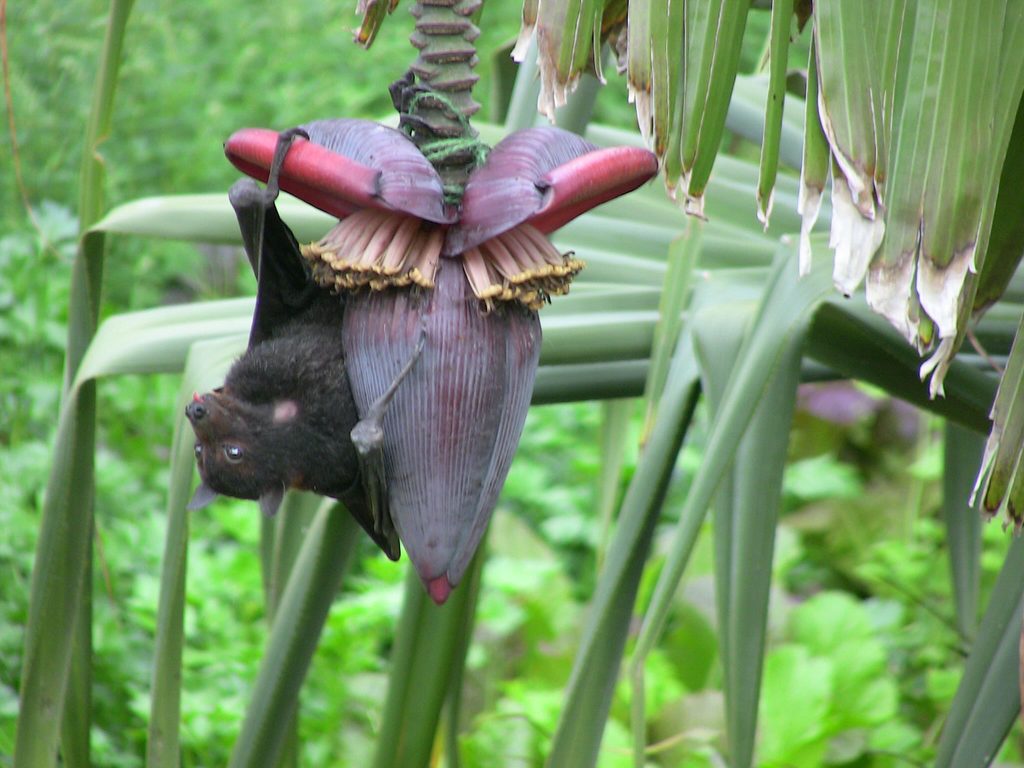
The findings were built from day-to-day photography and observations collected by homeowner and author Mr Coleby-Williams between 2003 and 2026, then verified with taxonomic expertise, highlighting the value of citizen science in biodiversity research.
The authors attributed the high species richness to high plant diversity (more than 500 plant species in the garden); habitat complexity; organic gardening practices; no routine use of chemical pesticides; composting, mulching and companion planting; and a water-sensitive and sustainability-focused garden design.
“These findings underline that domestic gardens can act as important wildlife habitat and ecological stepping stones between larger greenspaces, making them increasingly important as cities become denser and private green space declines,” Professor Pickering said.
“Results such as these have implications for urban planning and biodiversity initiatives.”
The study ‘Animal Species Richness Within a Domestic Garden: Insights from Subtropical Brisbane, Australia’ has been published in Royal Society of Queensland.