
Can your breath help diagnose lung cancer?
The human breath could help identify cancerous lung nodules negating the need for invasive testing. New Griffith University research, funded...
Search all articles within the Institute for Biomedicine and Glycomics topic

The human breath could help identify cancerous lung nodules negating the need for invasive testing. New Griffith University research, funded...
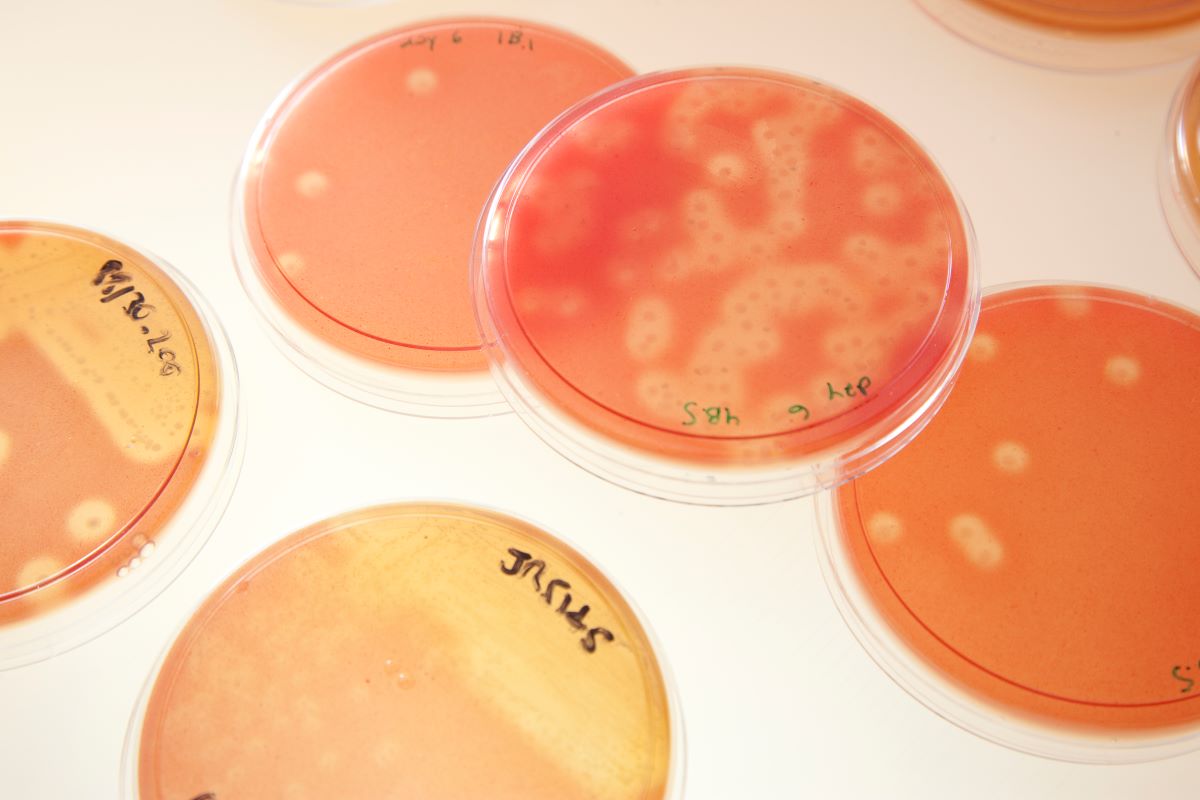
Exposure to a mild or symptom-free strain of Streptococcus pyogenes (Strep A) can trigger the body’s immune response and naturally build protection, potentially solving a nearly 100-year-old mystery of immunity.

Manufacturing cell therapies for spinal injuries, malaria vaccine development, and testing medical devices will be the cornerstone of Griffith University’s new Health and Advanced Technology Research and Innovation Centre (HATRIC).
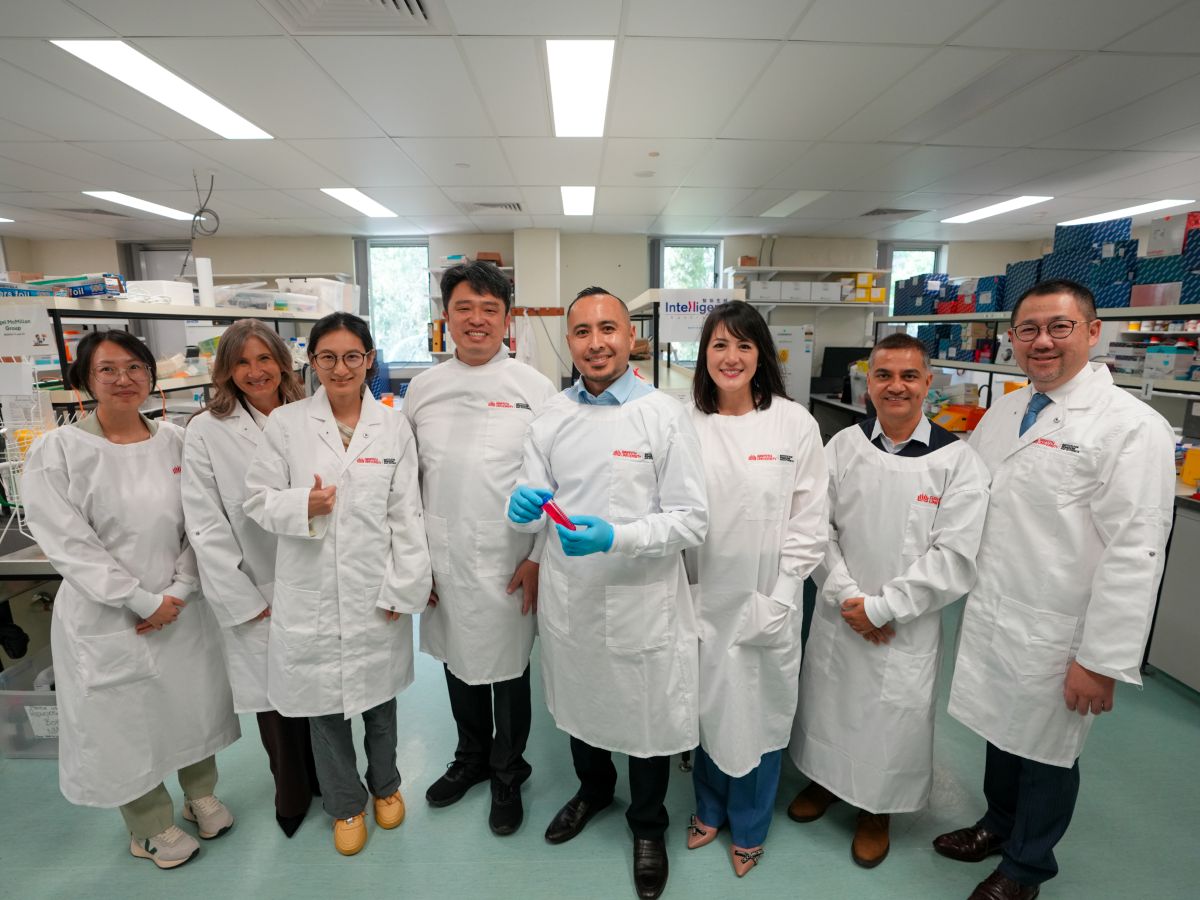
Intelligene will set up a home base at Griffith University to work in partnership with researchers to potentially deliver new therapies for infectious diseases.
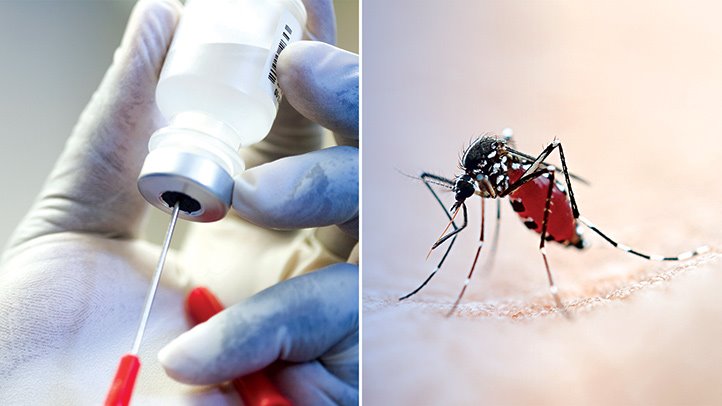
A new vaccine is showing promise as it not only offers long-lasting strong protection but also inhibits transmission of malaria by mosquitos.

A new Griffith University spin-out company has been established to develop innovative technology to make some medicines easier and more affordable to produce.
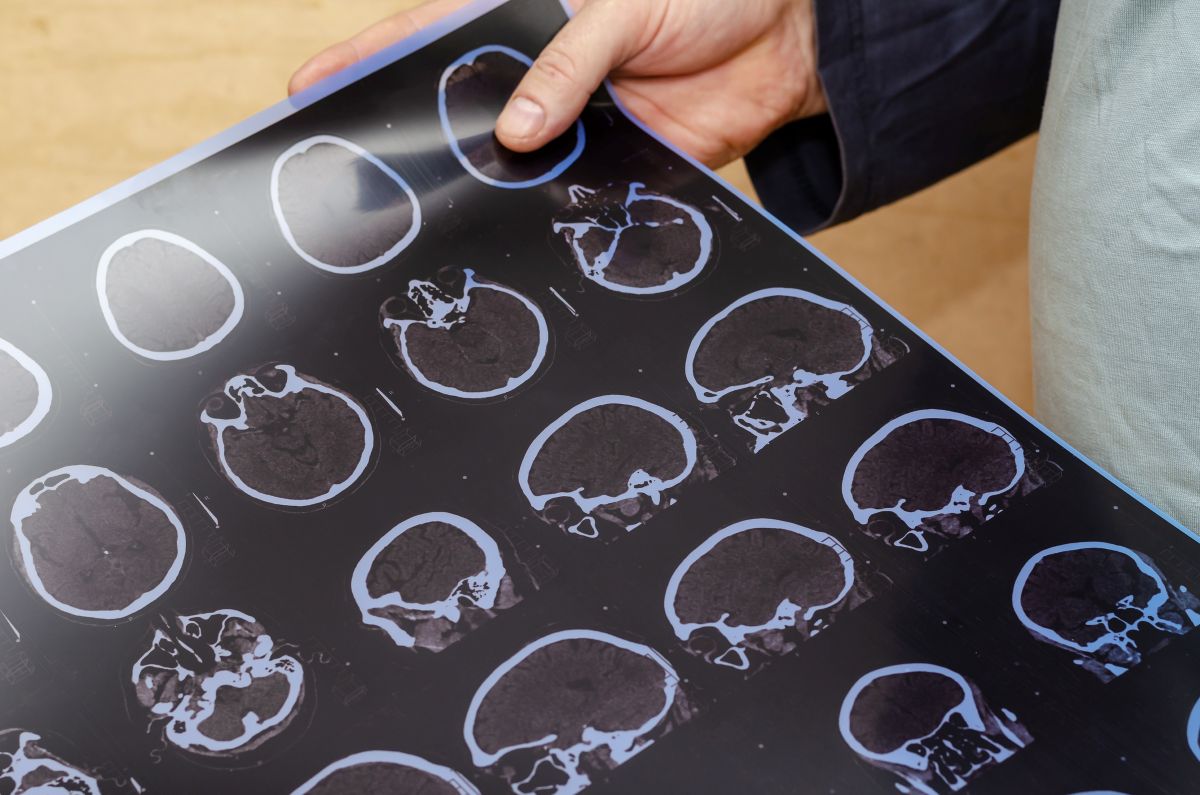
A Griffith University research project aimed at developing future therapies for people living with traumatic brain injury (TBI) will receive...
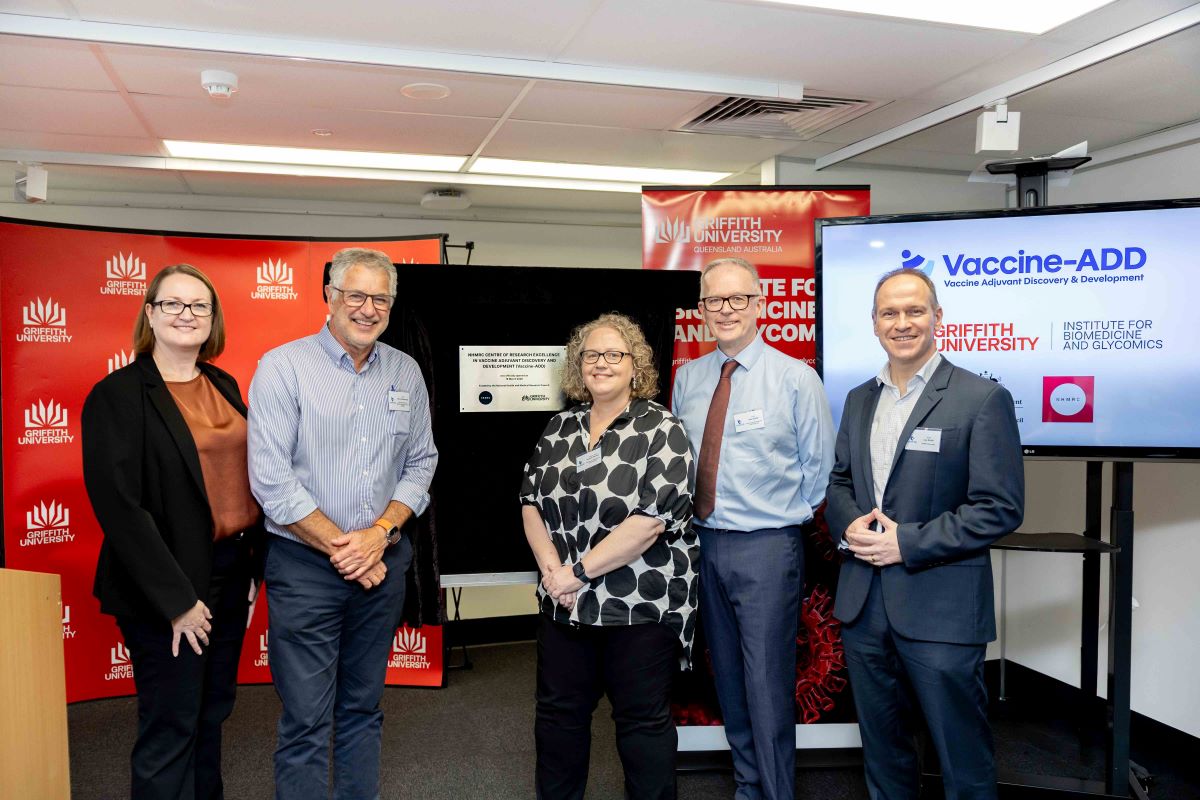
Improving vaccines targeted at keeping the community safe and healthy will be the core focus of Griffith University’s new Centre...

Seaweed may be a popular food item, but it has certain properties which have the ability to create a shield...

Griffith University researchers are on the cusp of a new vaccine to prevent chikungunya, a global health threat which attacks...