
New book explores climate justice challenges facing global tourism
Researchers from the Griffith Institute for Tourism are helping reshape how the tourism sector responds to the global climate crisis...

Researchers from the Griffith Institute for Tourism are helping reshape how the tourism sector responds to the global climate crisis...
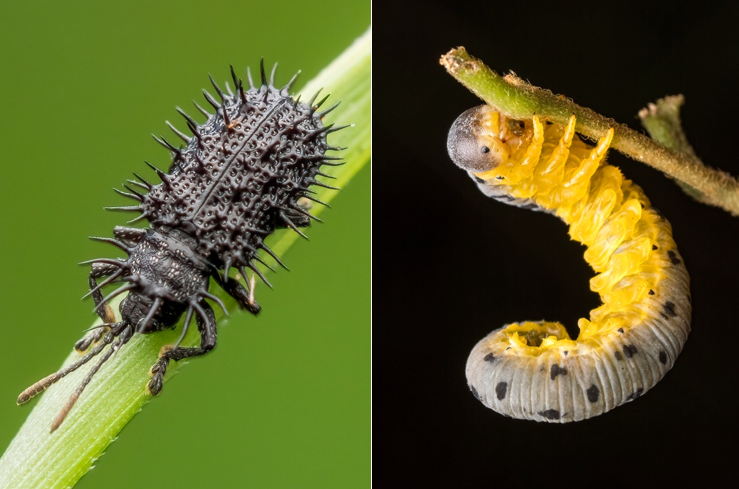
Study finds changes to El Niño are linked to significant biodiversity loss in multiple types of tropical forest arthropod, including butterflies, beetles and spiders.
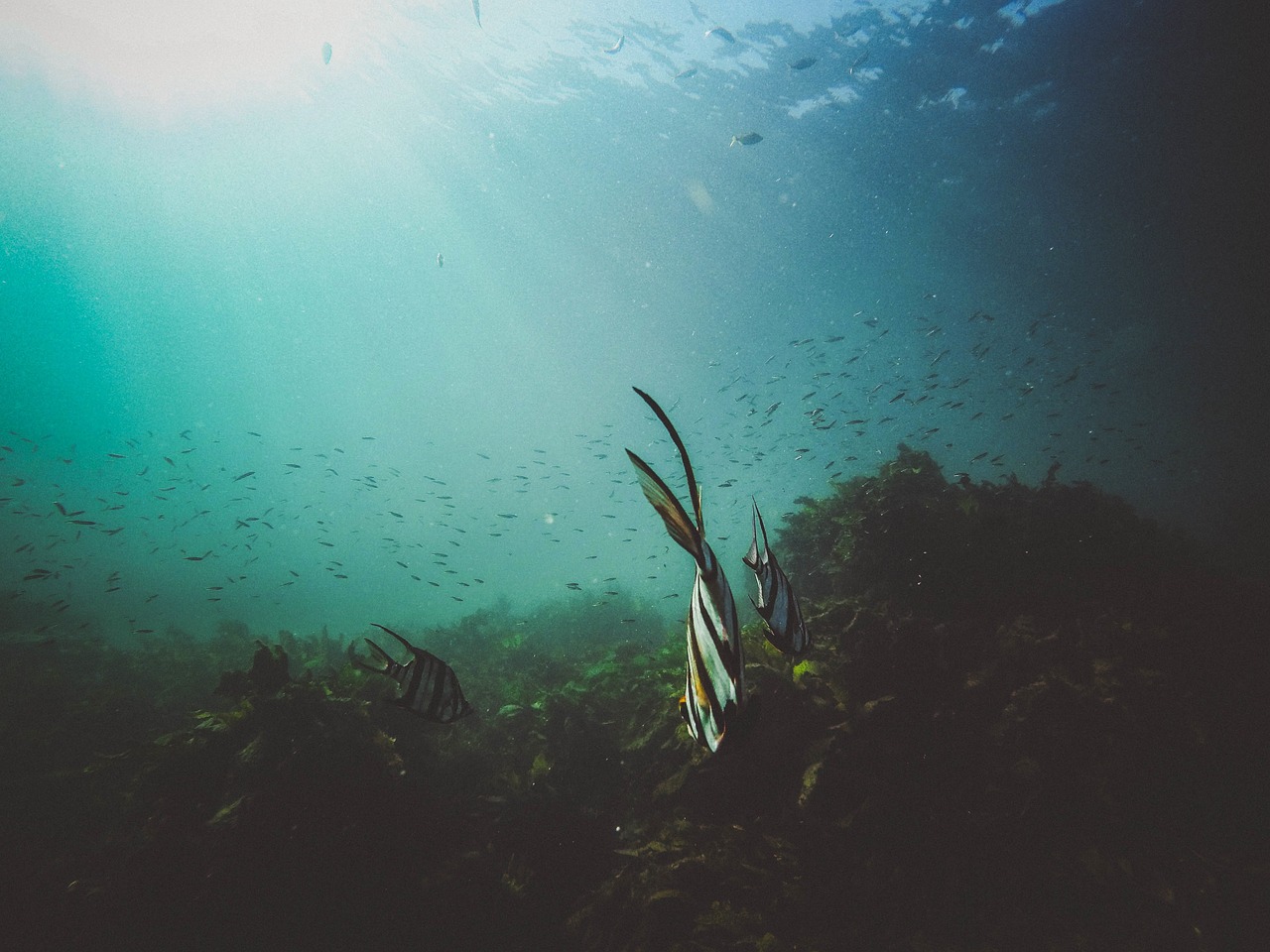
Earth’s oldest, tiniest creatures poised to be climate change winners, but the repercussions could be vast.
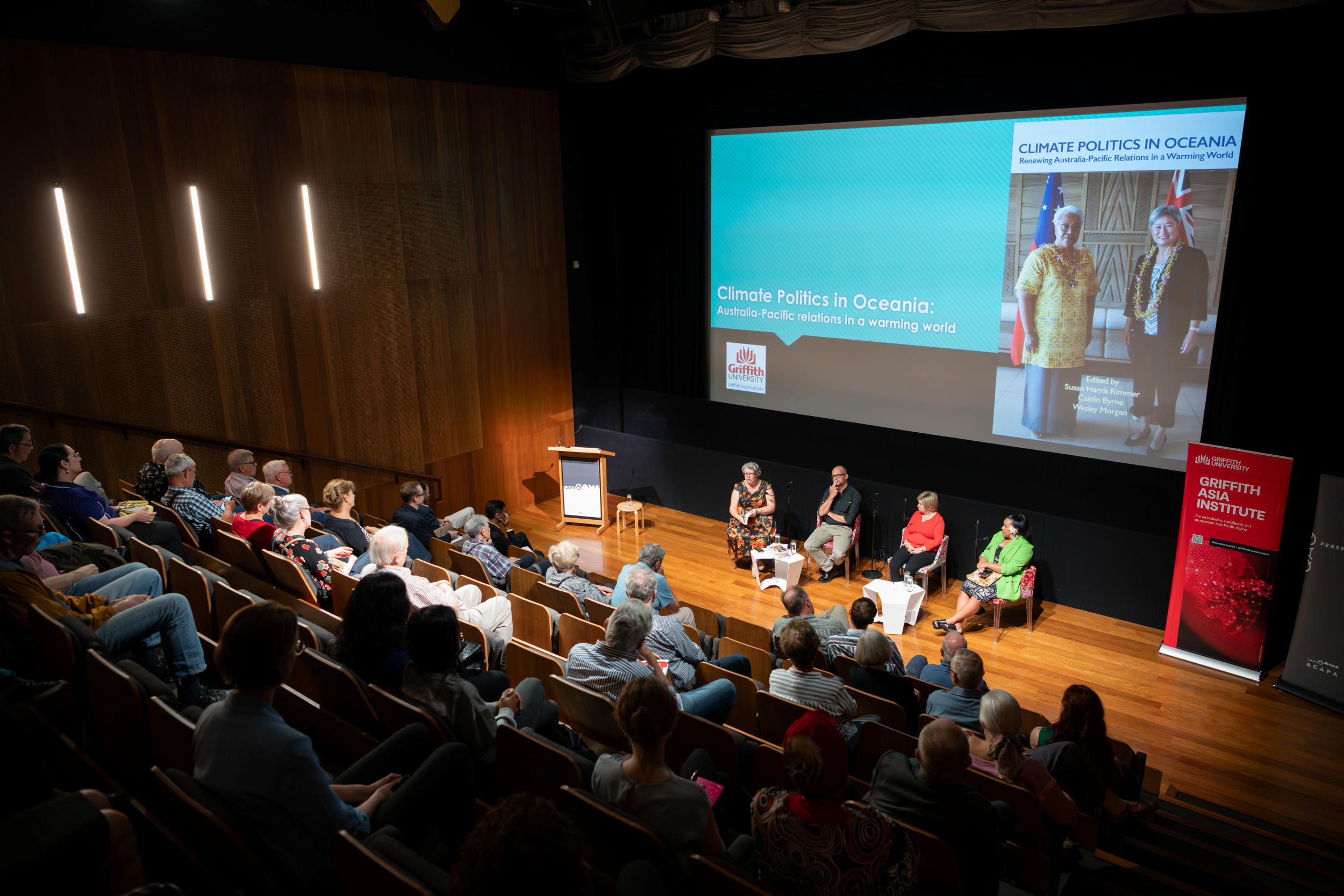
In a thought-provoking and insightful panel discussion hosted by the Griffith Asia Institute, the launch of a new book titled...
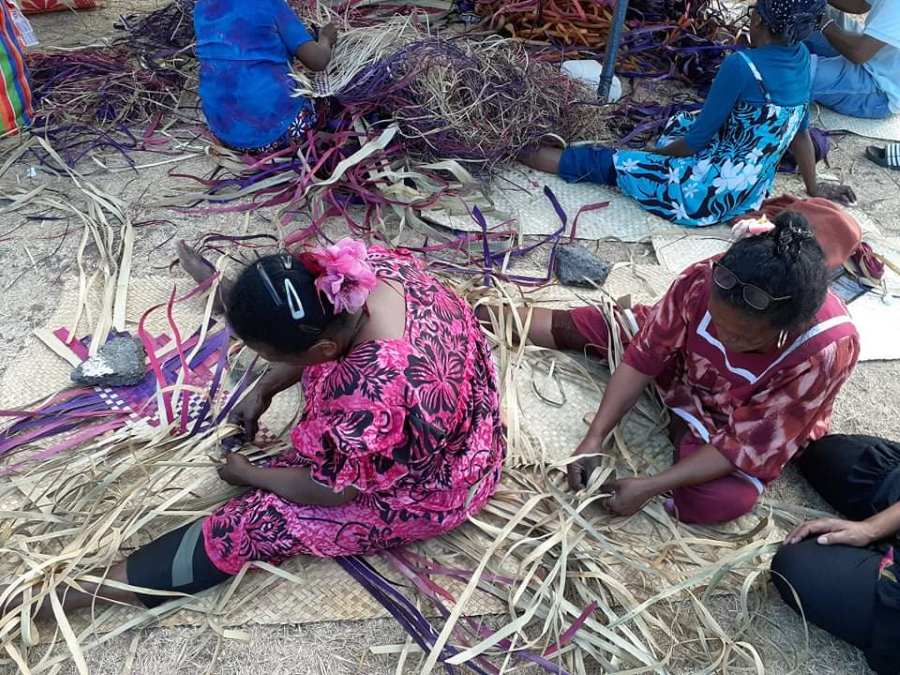
Climate change is impeding the human rights of a large group of people living in the Pacific, a recent report in Nature reveals.

Griffith University’s annual Change Conference is back and fast becoming a signature event as an instrument for making change happen.
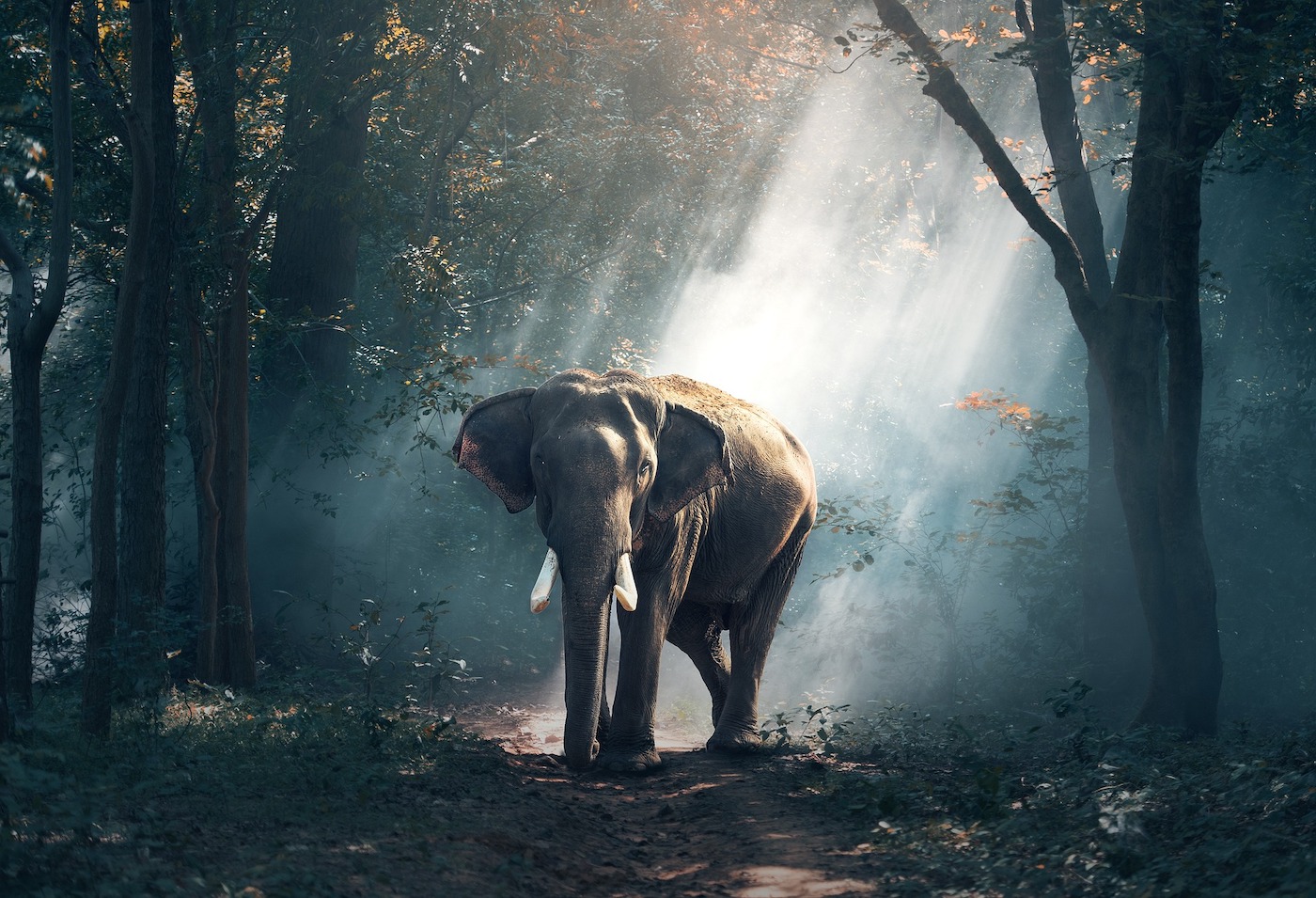
For biodiversity to thrive, conservation efforts must be ‘Nature and People Positive’, a recent study has found.
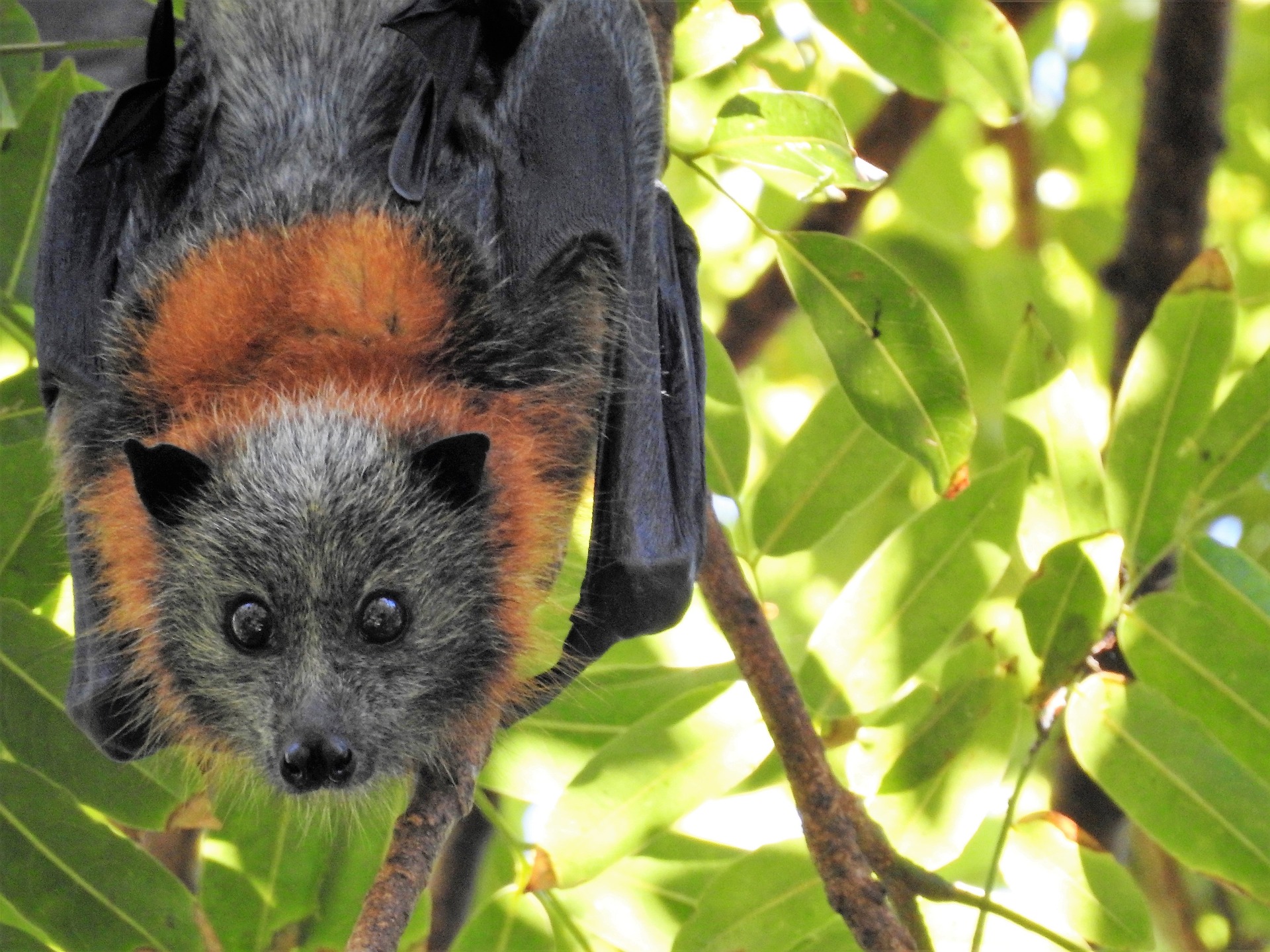
Data spanning 25 years explores impacts climate and land-use change have on bat behaviour and Hendra spillover.

Increasing climate variability has been implicated as a driving force for the origins of our species (Homo sapiens) over 300,000 years ago,...
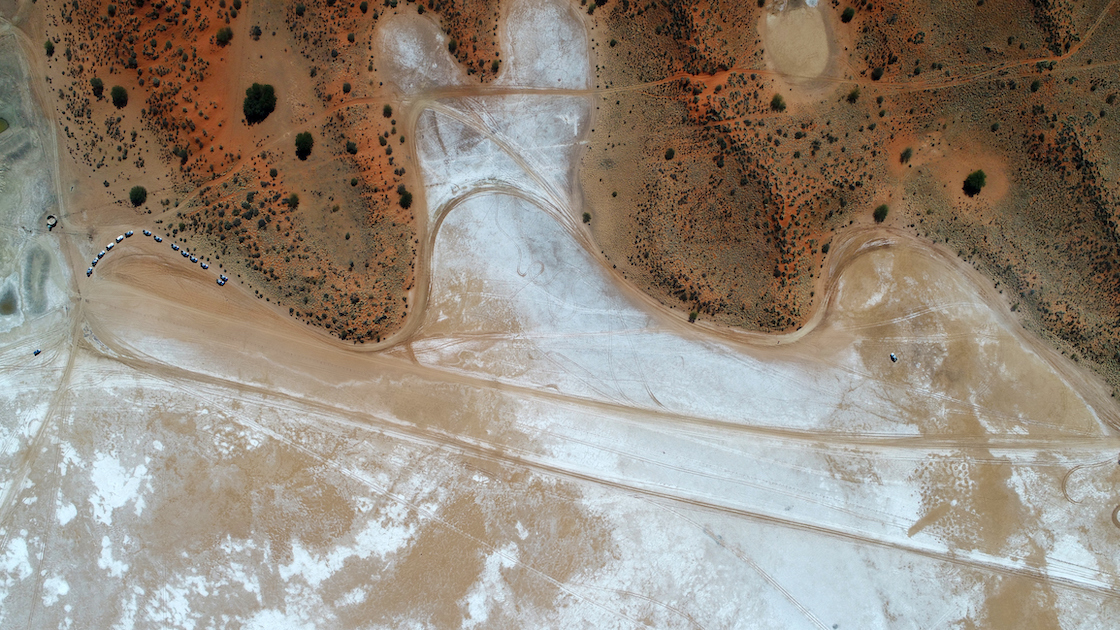
Climate change is one of the most pressing issues of our time. It’s also one of the most complex, and scientists are still learning new things about it all the time. One thing that is becoming increasingly clear, however, is that climate change impacts humans and the way we live. This is true today, as it was in the past. However, a key question remains. How did climate change impact early humans?