
Feast over fasting: Migrating whales regularly feeding off Australia’s coast
Humpback whales found feeding regularly along Australia's east coast, despite assumptions whales fasted between Antarctic feeding grounds and tropical breeding areas.
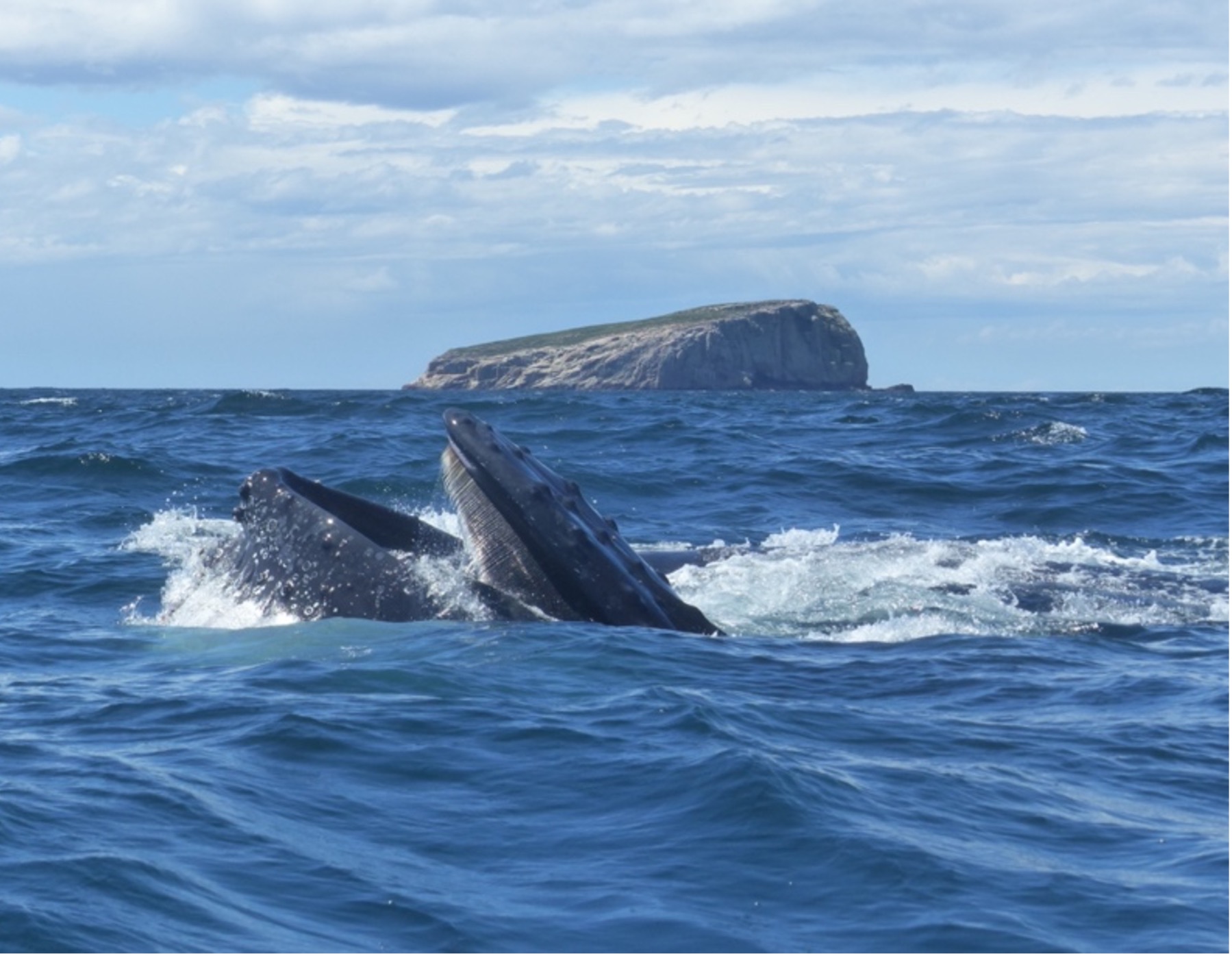
Humpback whales found feeding regularly along Australia's east coast, despite assumptions whales fasted between Antarctic feeding grounds and tropical breeding areas.
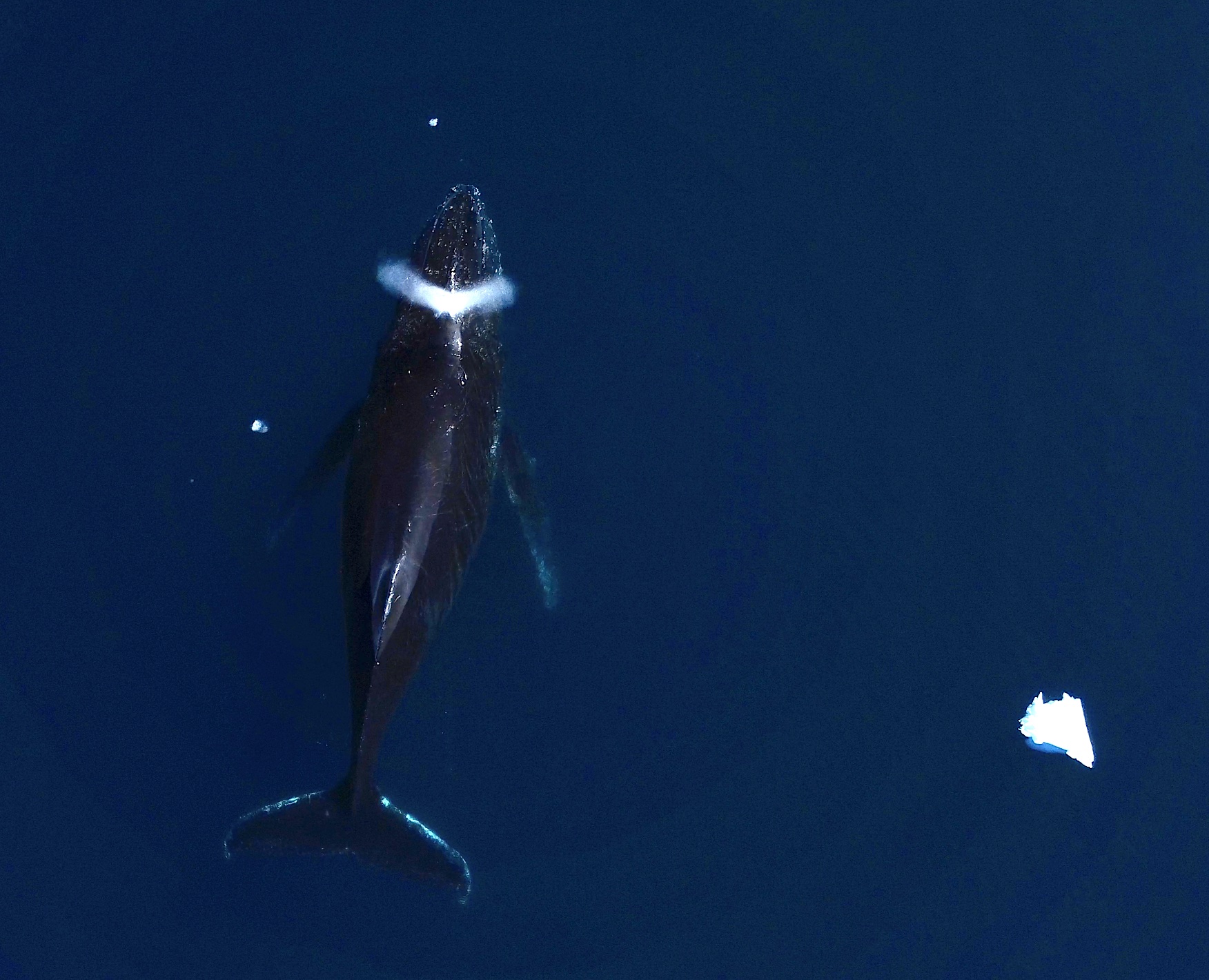
Whales are swimming further than previously estimated - up to 20% more - according to a new study.
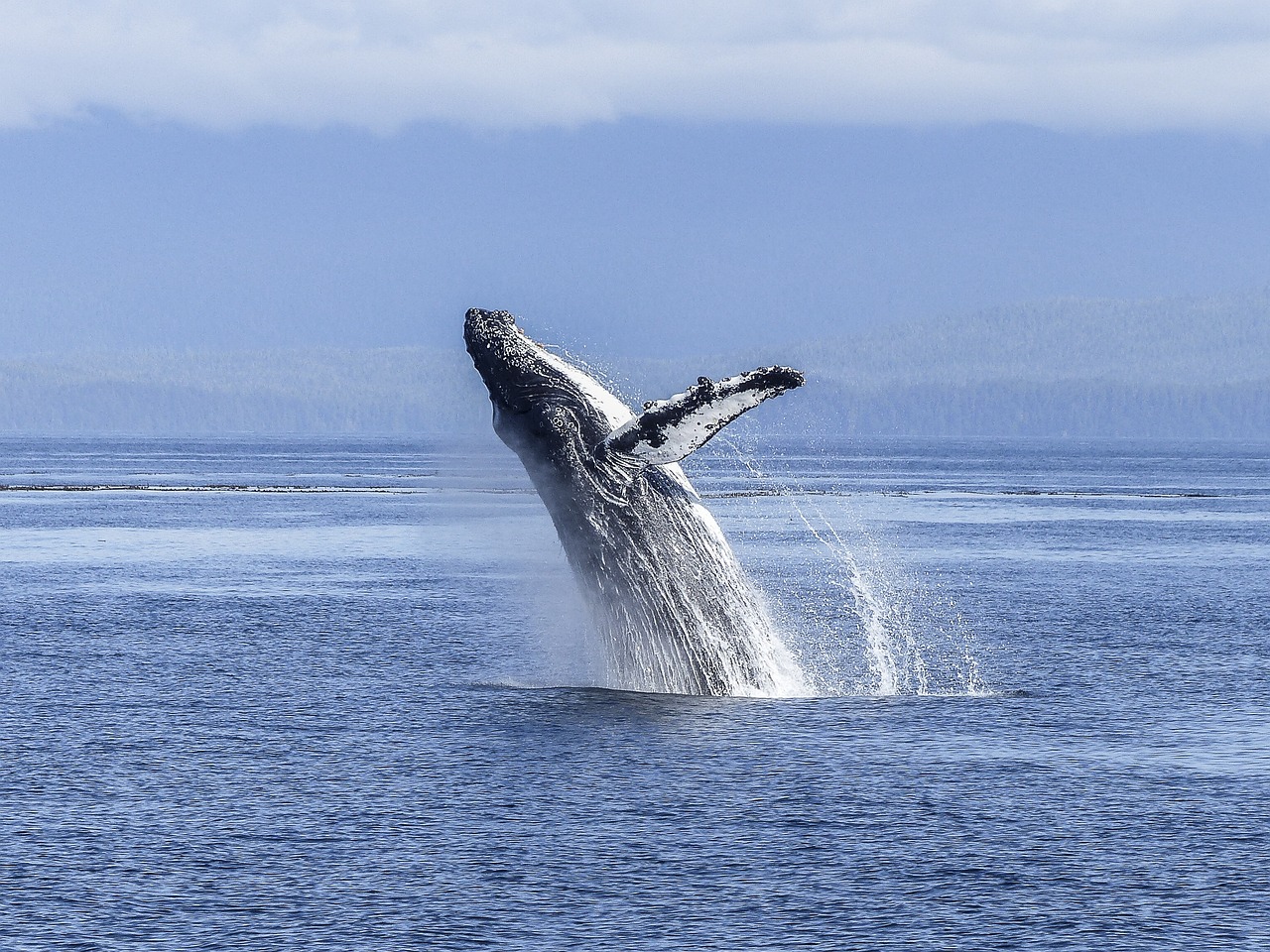
93% of recreational vessels in Moreton Bay overlooked in strike risk.
11,000kg of blubber lost during annual humpback migrations - equivalent to energy obtained after consuming 57,000kg of Antarctic krill.
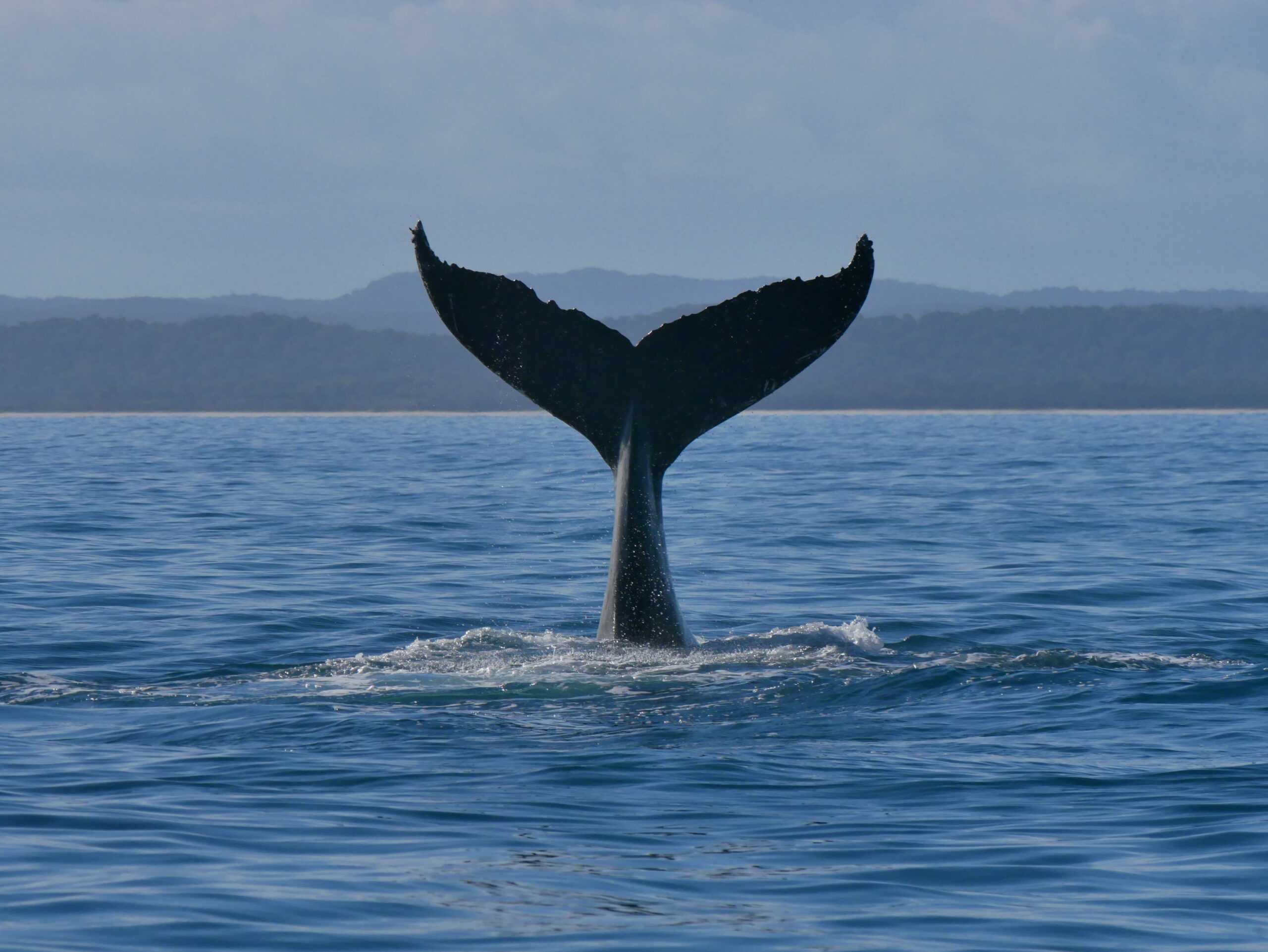
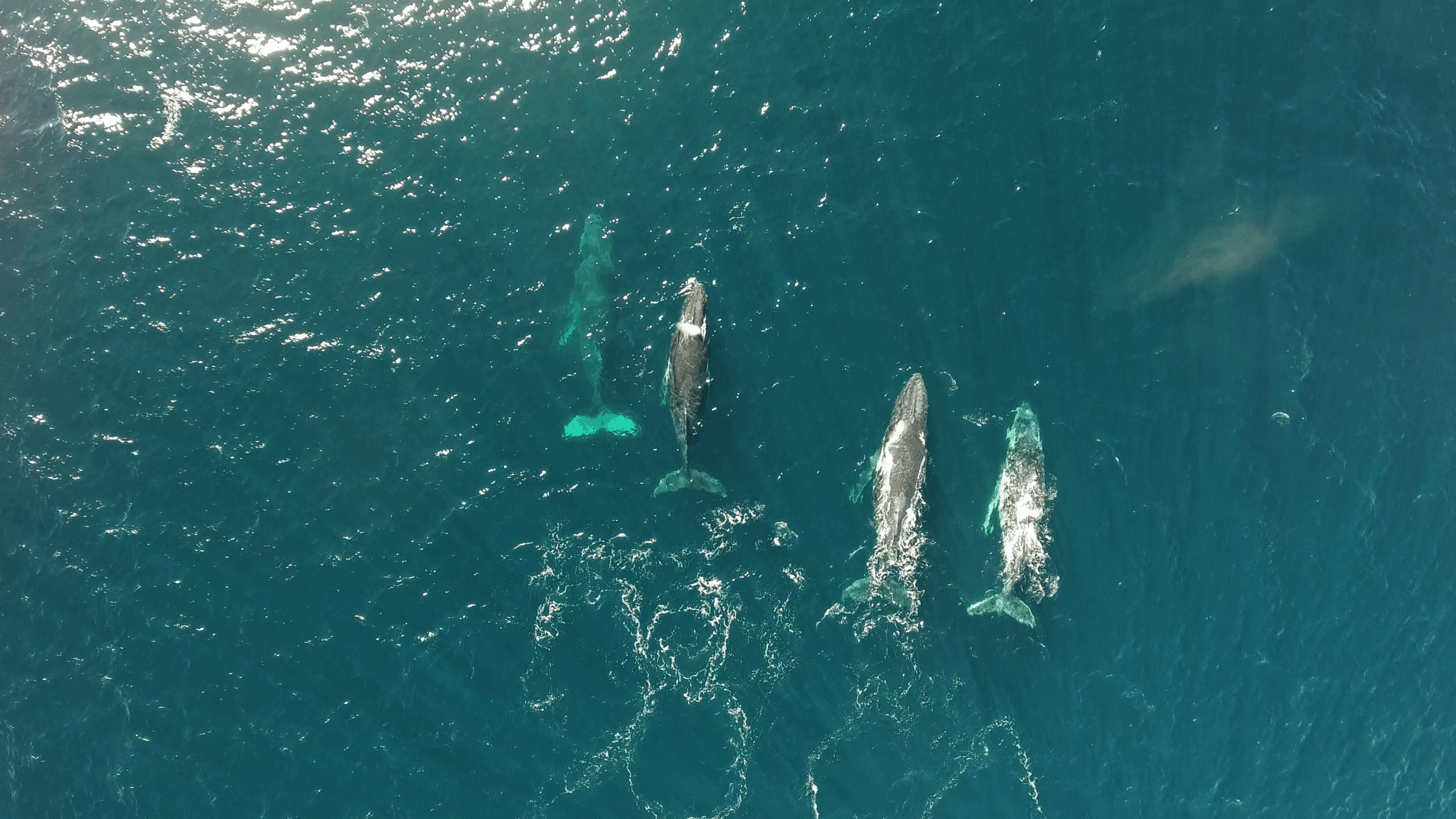
Study finds two stopover sites used for different purposes - one for socialising and the other primarily by mothers and calves.
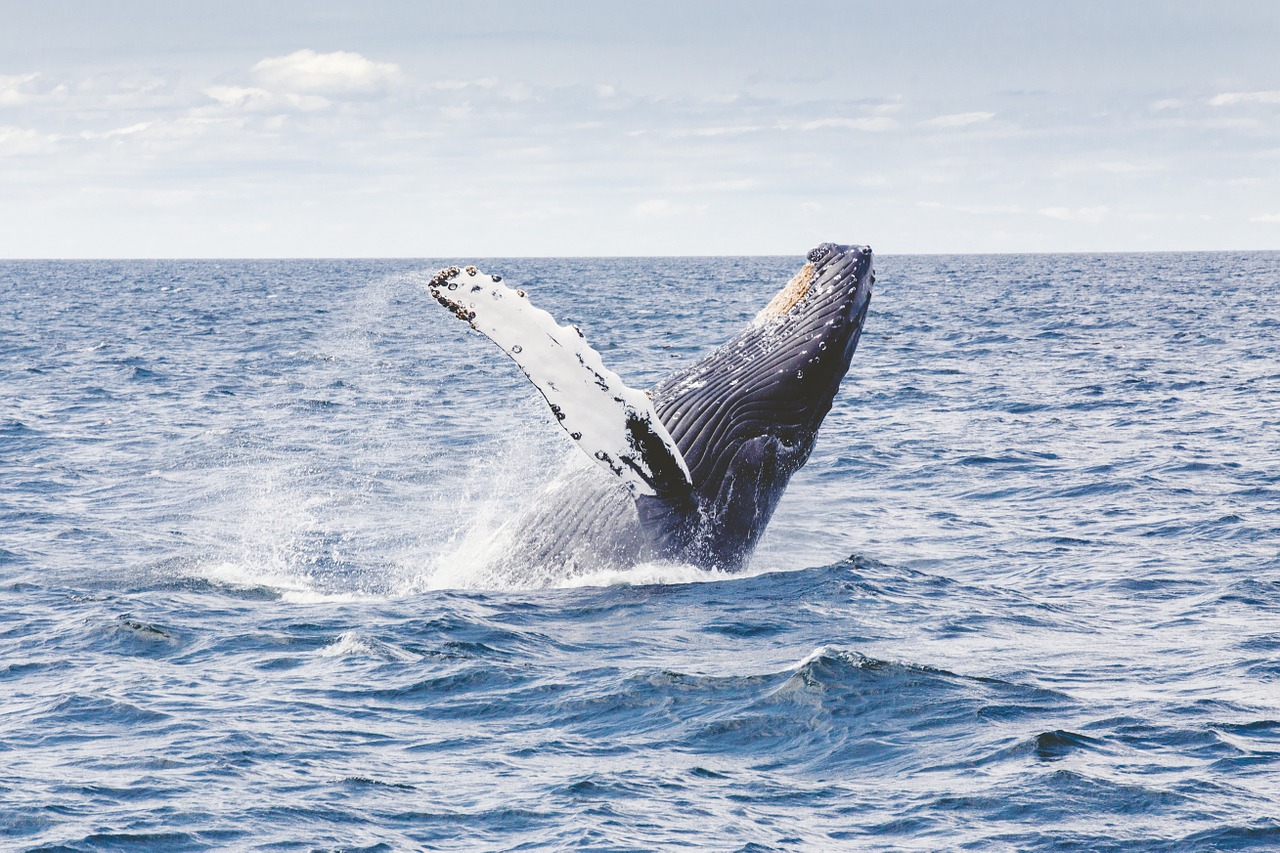
Researchers, government and stakeholders take proactive approach to understand the behaviour of whales in Moreton Bay.
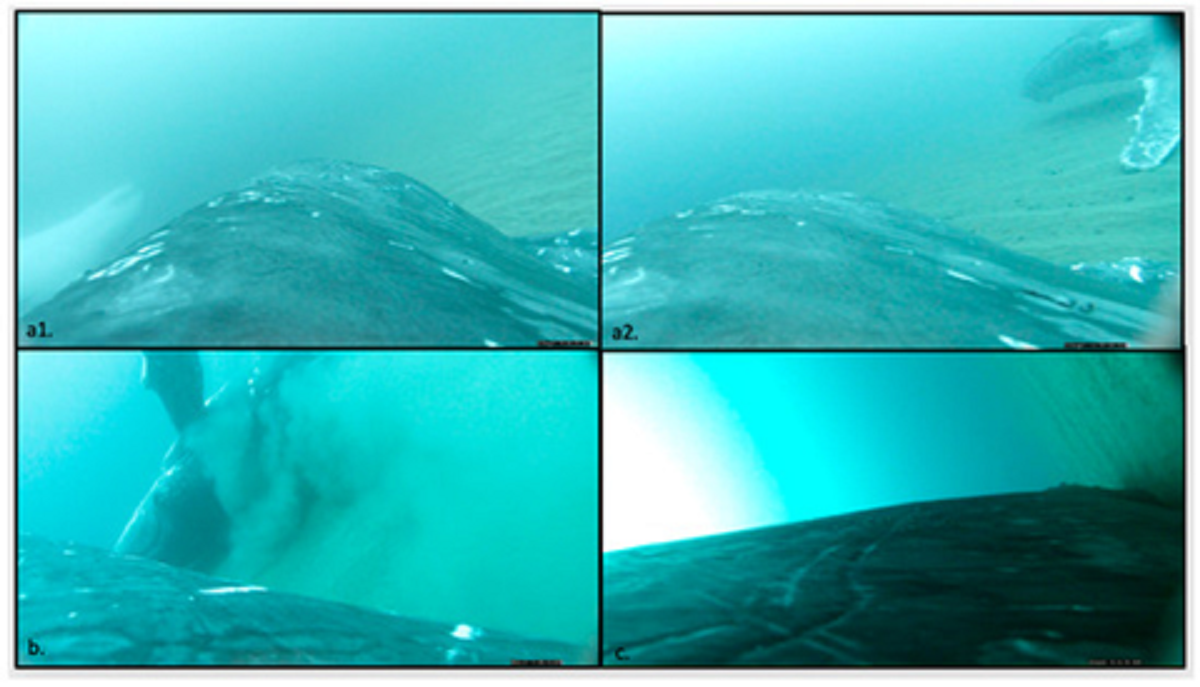
Whales observed rolling in up to 49m water depth on the sea floor lined with fine sand or rubble.
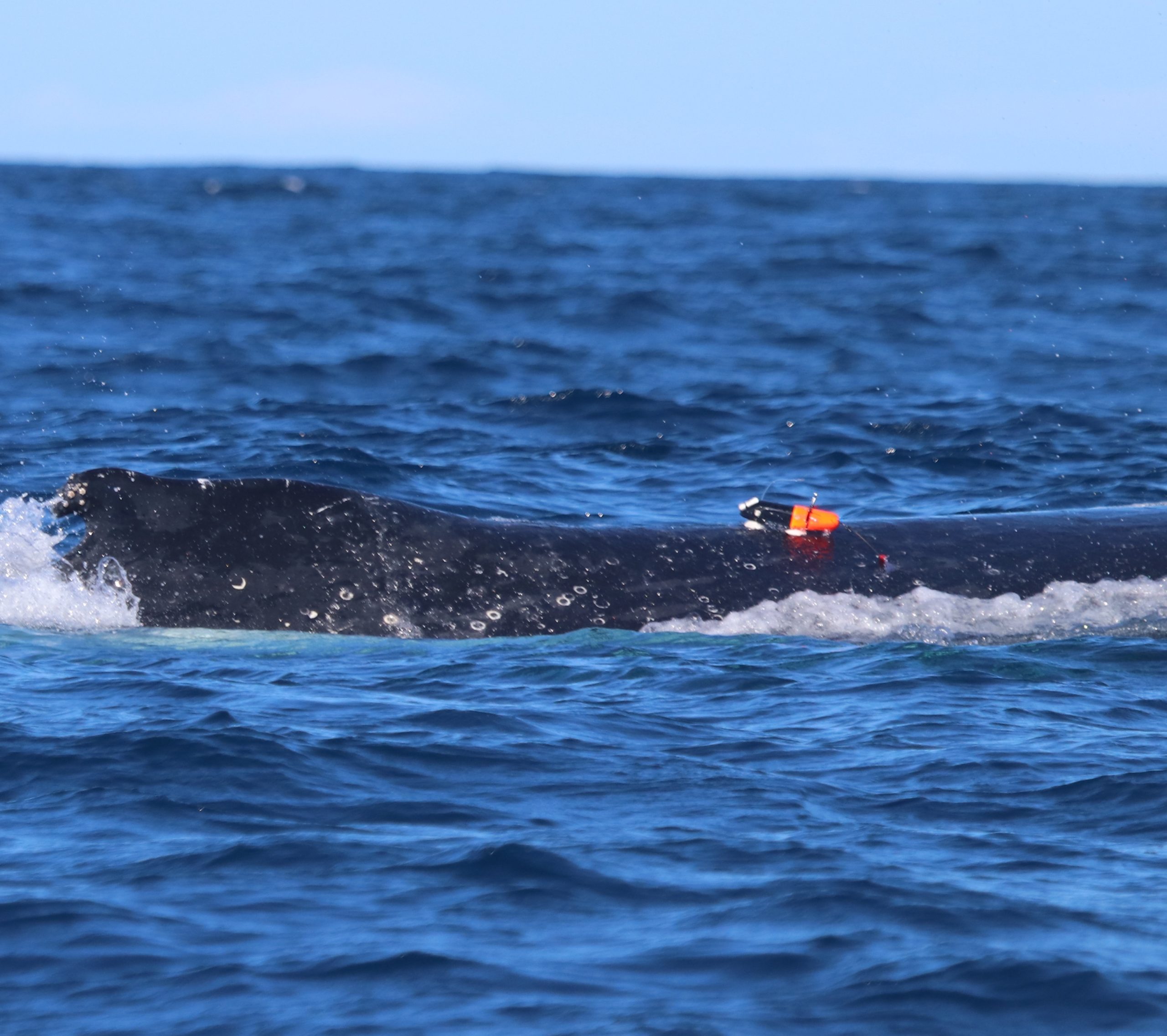
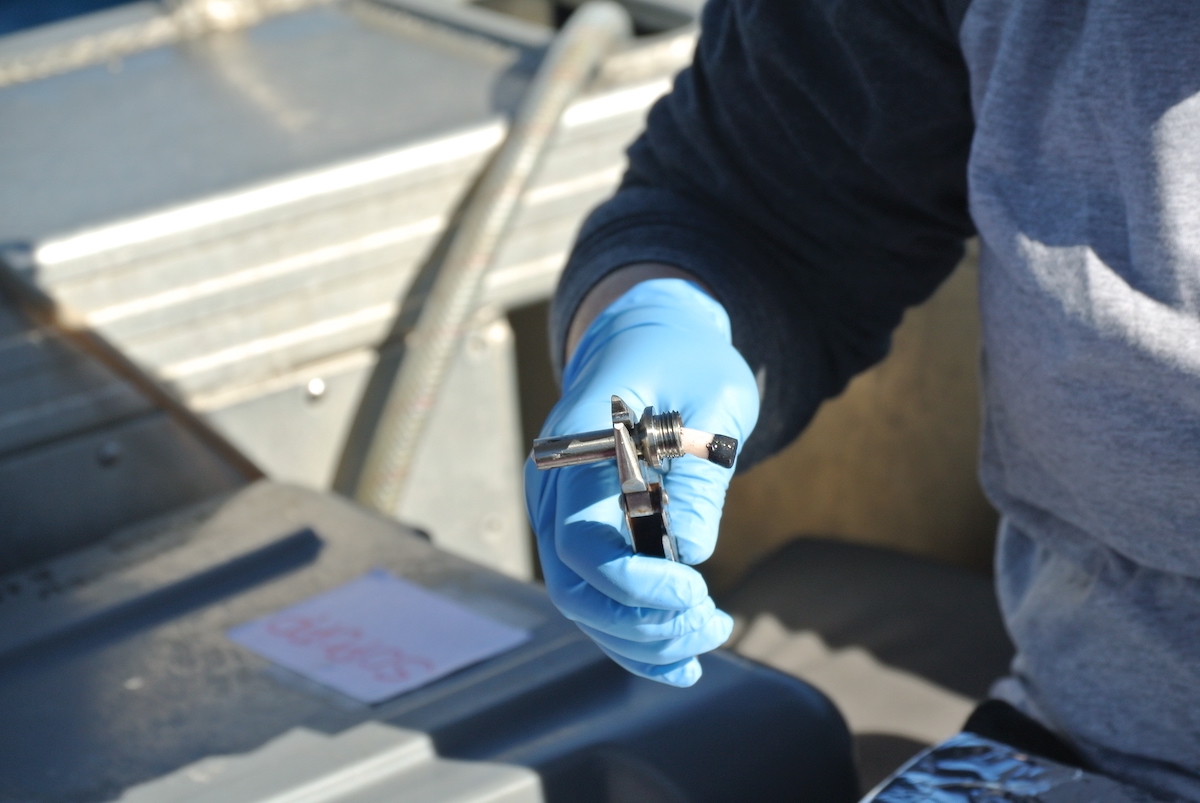
First deployment of cost-effective, non-invasive suction cup tag a success.
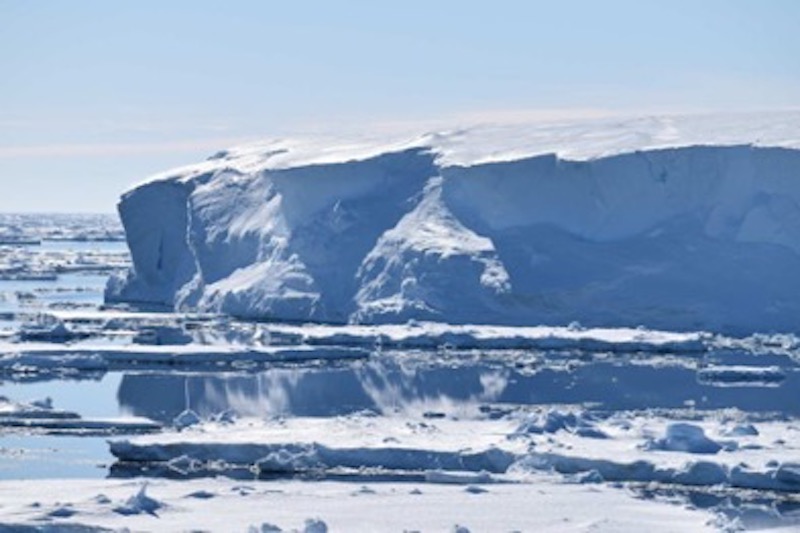
Humpback whales across the southern hemisphere are being used as indicators of environmental and climatic change in Antarctica through Griffith University led research.
Skin, not blubber is the most effective way of revealing migrating whales’ diet.