
Funding fuels further study into Queensland’s elusive ‘vegan Dracula’ fish
Scientists team up to understand cryptic Australian brook lamprey, while potentially confirming two new species found in Queensland.
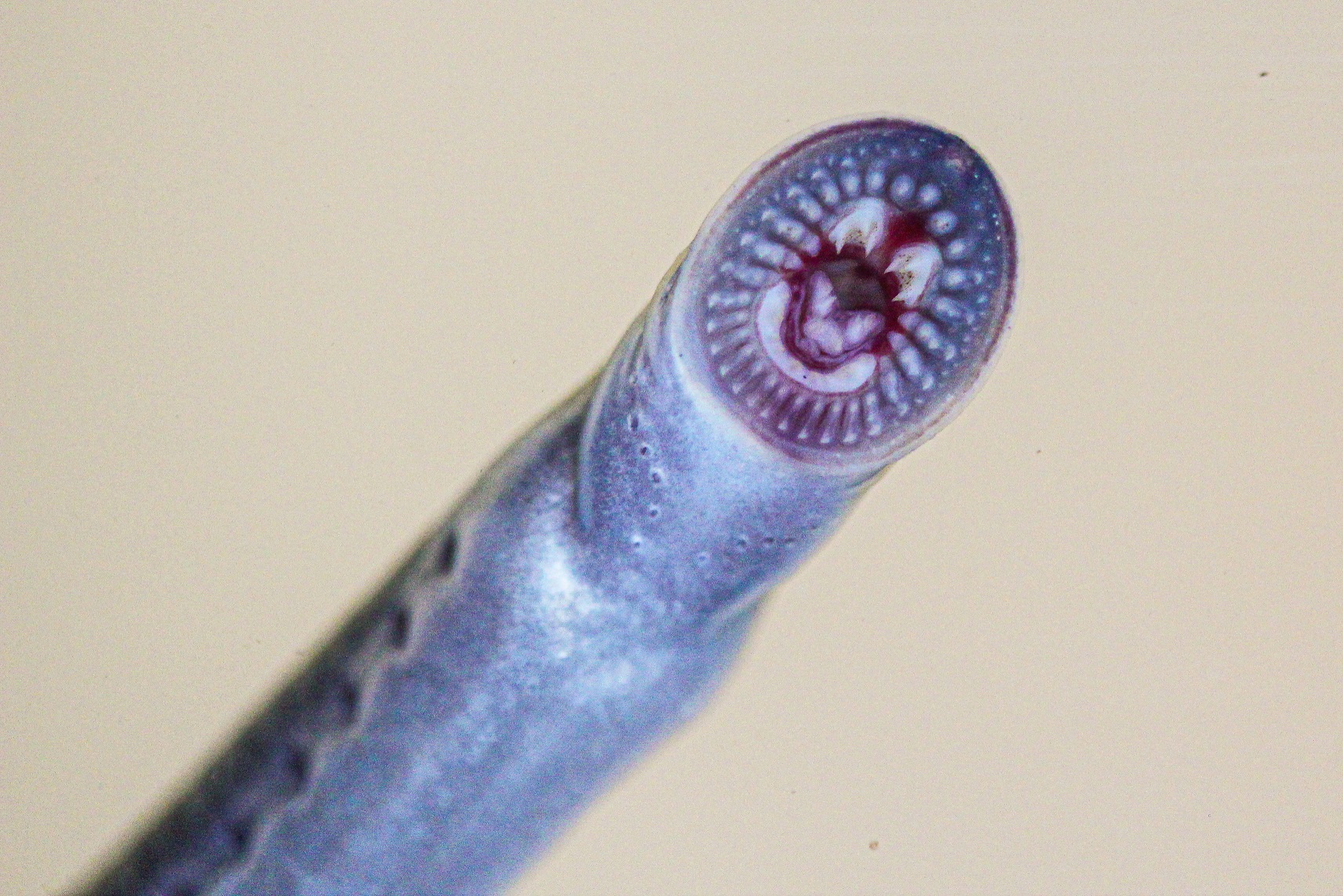
Scientists team up to understand cryptic Australian brook lamprey, while potentially confirming two new species found in Queensland.

The striped dog-like marsupial we know as the Tasmanian tiger has long been surrounded by mystery, and the subject of scientific curiosity. Now, newly discovered rock art depicting Tasmanian tigers and Tasmanian devils in northern Australia is providing fresh...

Griffith Criminology Institute (GCI) researcher Dr Dominique De Andrade has been recognised for her influential work tackling criminal offending, public...

Griffith University has jumped 20 places to be first in Queensland, equal second nationally, and equal fourth globally for its...

Dangers of living by predator-infested lake highlighted in new publication.

Researchers live-stream marine sounds between 30th October and 1st November.

Following 16 years of development, the Tele-MAST program decreases depression and anxiety in brain tumour survivors, has potential to ease the financial burden to the healthcare system and is now rolling out nationally.

Biosampling through the separation of nanoparticles and wearable technologies a step closer thanks to novel research.

Griffith University’s award-winning urban planner, Dr Tony Matthews, applies his professional insights to the the "15 Minute City". The 15 minute city concept is designed to ensure that most daily necessities are close by our homes and purports to return residents to a more local way of living but will fail to realise its promise for a broad section of the community.

Youth crime is on the rise in Queensland. Recent media stories demonstrate the high cost of youth crimes for victims - financially, through serious or permanent injury, or leaving loved ones to try and pick up the pieces after senseless and tragic deaths. Victims and the wider community are understandably outraged and demand the government hold offenders accountable and protect the community by making these behaviours less likely in the future. Dr Troy Allard looks at how offenders can be held to account and address the root cause of their behaviour.