COVID-19 does not just affect the respiratory system, but also significantly alters the brain in people who have fully recovered from the infectious disease, highlighting the long-term neurological impact of the virus.
Researchers from Griffith University’s National Centre for Neuroimmunology and Emerging Disease (NCNED) used advanced MRI techniques to ascertain the neurological implications of COVID-19 compared with those who had never been infected.
The research provided compelling evidence that even in the absence of ongoing symptoms, prior infection with the virus could leave a measurable imprint on the brain.
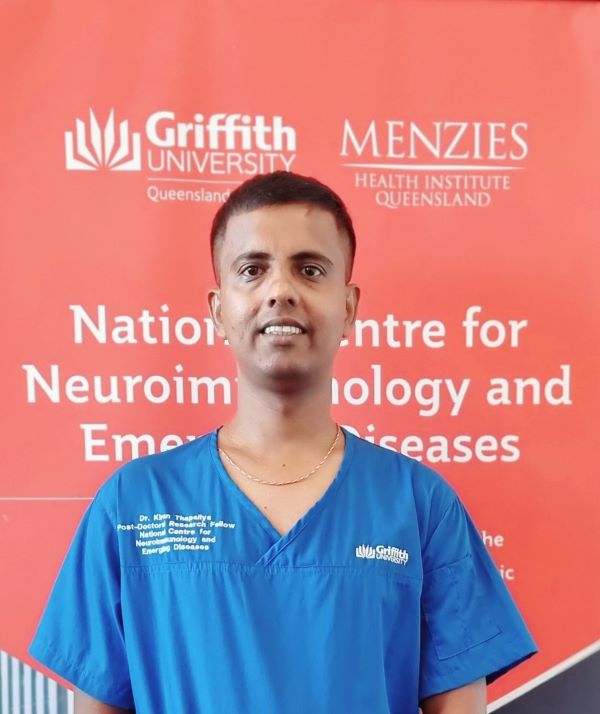
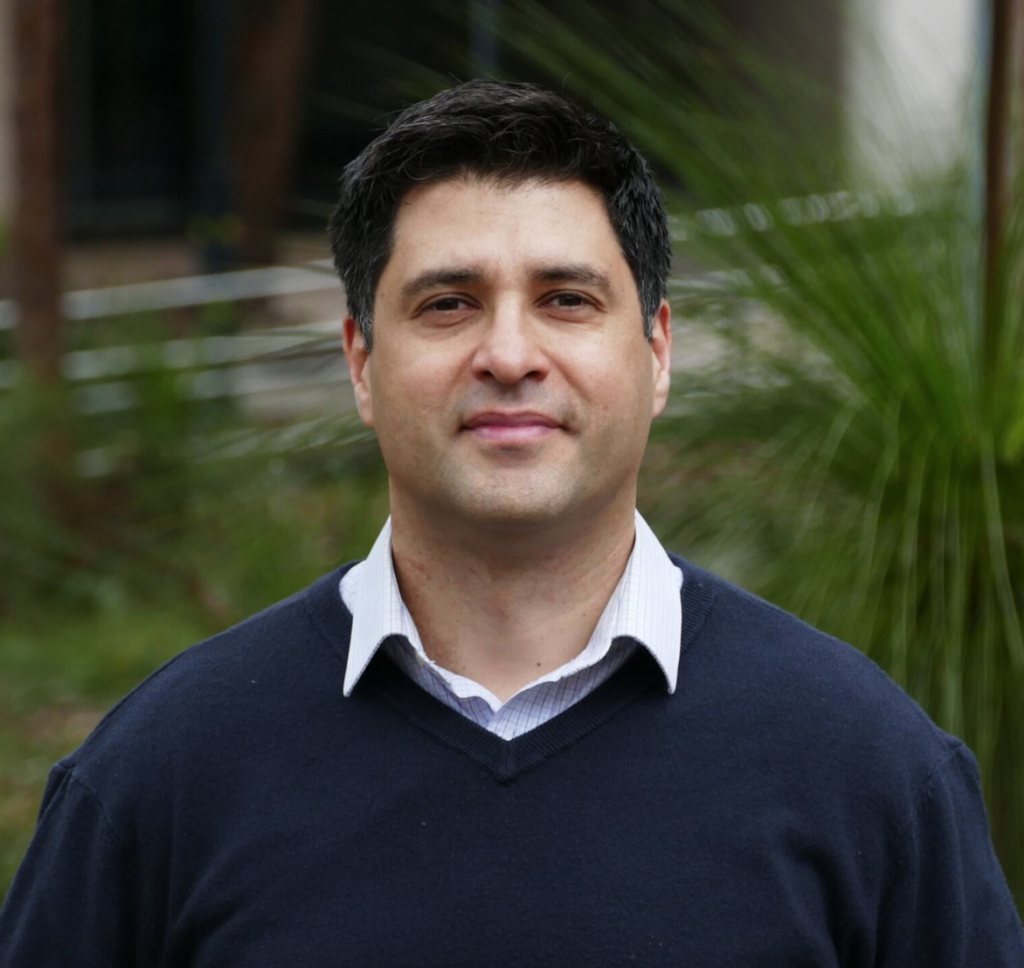
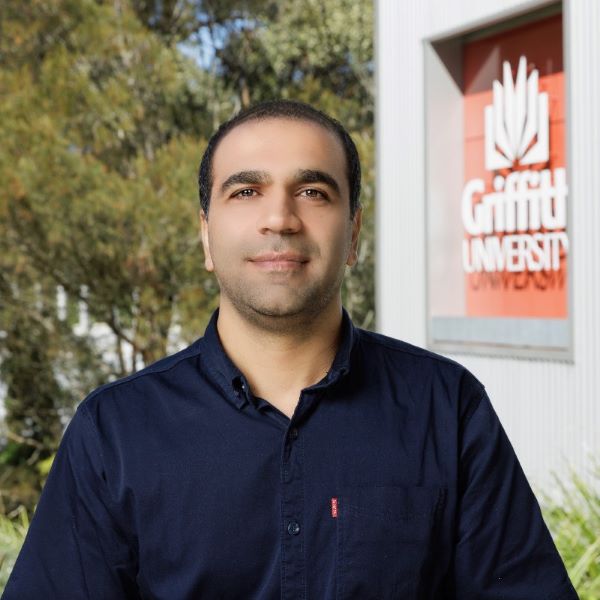
Dr Kiran Thapaliya
Lead author, Dr Kiran Thapaliya, said: “We used multimodal MRI techniques to examine both grey and white matter brain regions critical for memory, cognition and overall brain health and found clear differences across all participant groups.”
“The unique MRI approach identified significant alterations in brain neurochemicals, brain signal intensity, and tissue structure not only in individuals with Long COVID but also in those who considered themselves fully recovered,” he said.
“The research also reported that altered brain tissue was associated with symptom severity in individuals with Long COVID, suggesting the virus may leave a silent, lasting effect on brain health.”
These findings offer vital insights into how COVID 19 affects the central nervous system and may help explain the cognitive problems, such as memory and concentration, reported both shortly after infection and months or even years later.
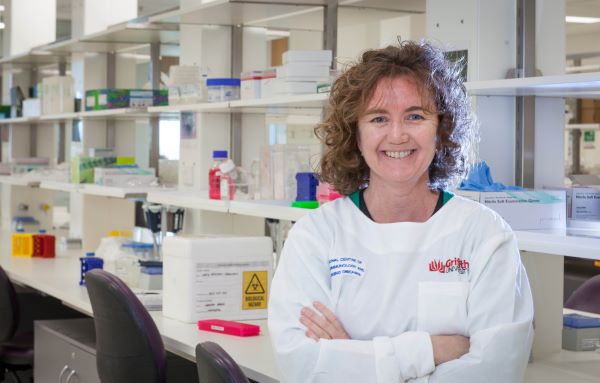
Professor Sonya Marshall-Gradisnik
NCNED Director, Professor Sonya Marshall-Gradisnik, said: “The NCNED brings together a critical mass of talented researchers and clinicians committed to improving the lives of the patients.”
“We are privileged to access state-of-the-art technologies which drive transformative scientific discoveries.”
The research was funded by ME Research UK and the Stafford Fox Medical Research Foundation.
The paper ‘Altered Brain Tissue Microstructure and Neurochemical Profiles in Long COVID and Recovered COVID-19 Individuals: A multimodal MRI Study’was published in Brain, Behavior, and Immunity – Health.
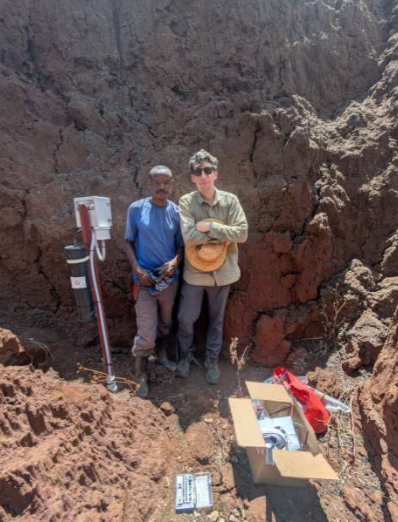
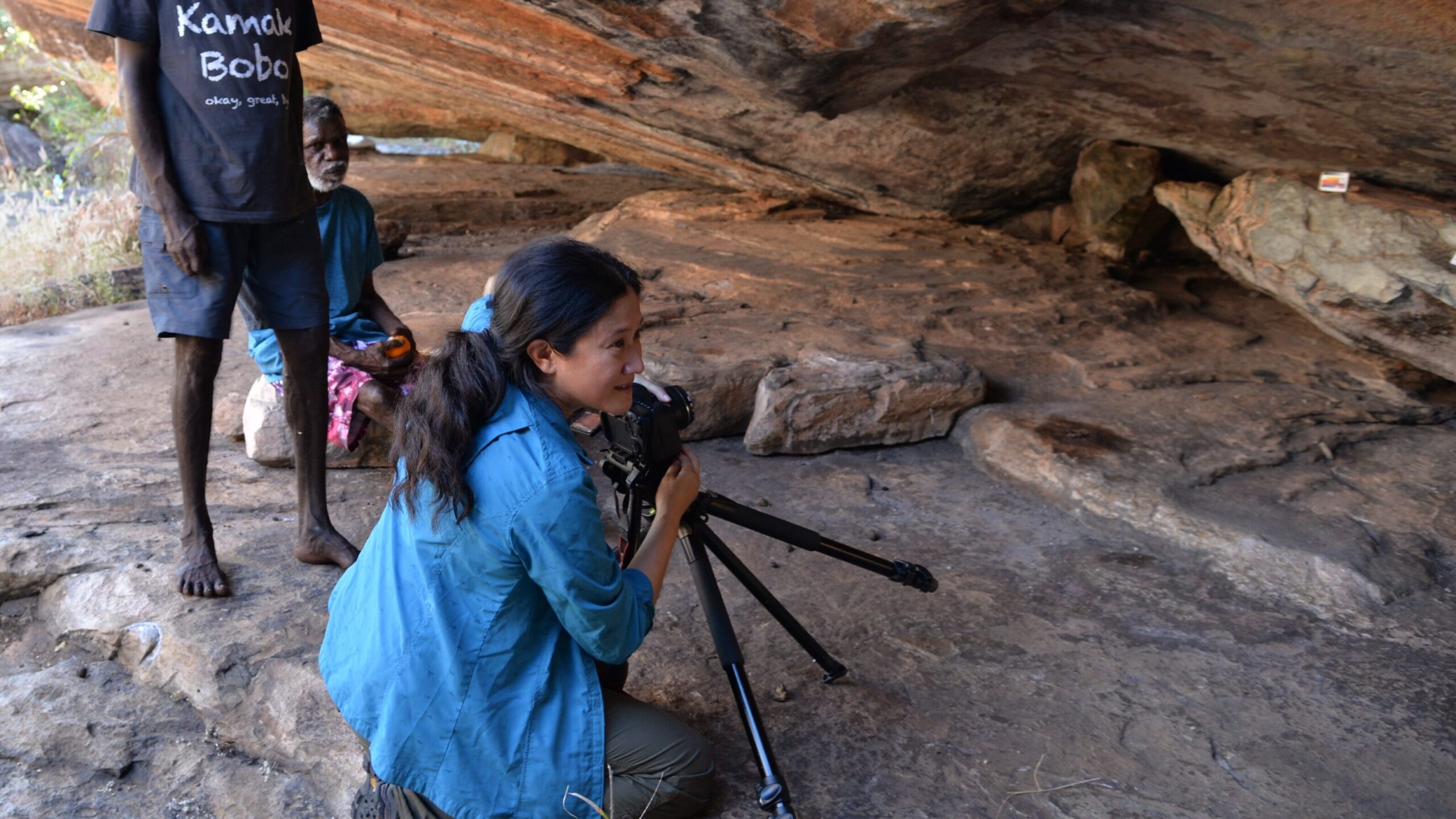
Dr Maarten Wynants (right) co-led the fieldwork in Tanzania.
Recent fieldwork by Griffith University researchers has highlighted an African country is facing a rapidly escalating environmental crisis as severe gully erosion – locally termed “mega gullies” – advances across valuable agricultural landscapes.
Associate Professor Andrew Brooks and Research Fellow Dr Maarten Wynants from Griffith’s Precision Erosion and Sediment Management Research Group (PrESM) found the affected areas in Tanzania supported high-value farmland critical to local food security and economic stability.
“Without swift and coordinated action, the situation is a ‘time bomb’ that could inflict irreversible social, economic, and ecological damage,” Dr Wynants said.
“The onset of these mega gullies dates back 30–50 years, but recent evidence suggests they are now expanding on an exponential growth curve, meaning that each year they erode more and faster.”
Drivers of the problem
Through their years of fieldwork and study, Associate Professor Brooks and Dr Wynants said the trigger for this major erosion was caused by increasing human pressures and changes to how they interact with their environment, including:
Overgrazing
Deforestation
Removal of natural vegetation for farmland, driven a rapidly growing population in Tanzania (doubling about every 25 years and currently at 70 million people)
Forced settling of nomadic pastoralists
And loss of socio-economic capital (the loss of indigenous skills during the colonial period, a lack of governance of natural resources, and no investment in soil conservation).
“There are, of course, also some natural factors that make the region so vulnerable to this issue, such as volcanic and dispersive soils, variable rainfall with switching of droughts and extreme floods, and hilly terrain,” Associate Professor Brooks said.
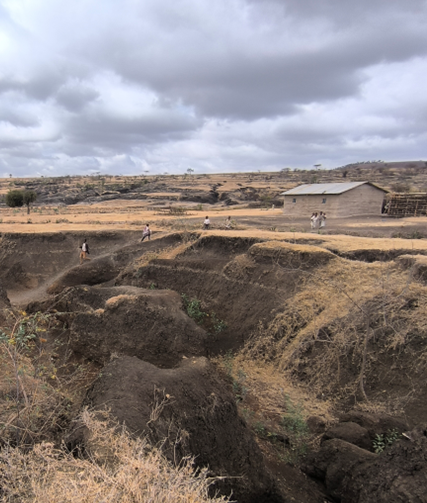
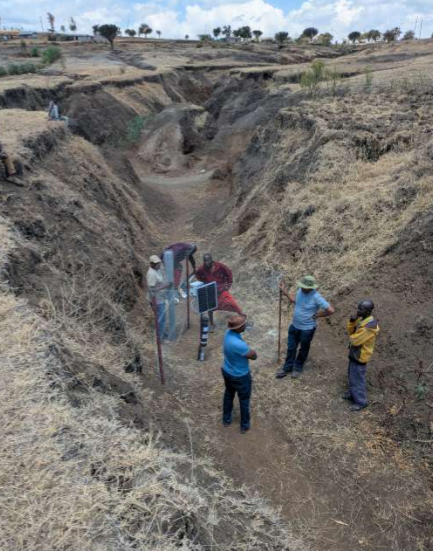
Images from the site show the dramatic erosion and risk to nearby properties.
But primarily, the major shift in human land use played the critical role.
“Following independence, many Maasai pastoralists relocated into permanent settlements, abandoning the nomadic grazing patterns that once allowed landscapes to recover during seasonal migrations,” Dr Wynants said.
“Today, land that was historically grazed only seasonally is permanently cropped and overgrazed, placing immense strain on fragile volcanic and dispersive soils.”
Impacts: social, economic, ecological
The research team said not only did the mega gullies threaten agricultural lands, grazing lands, roads, and bridges, they also posed risks to schools, homes and community areas.
In a region where about 70 per cent of people relied on subsistence farming, the loss of arable land directly jeopardised both income and food security.
“Infrastructure was equally at risk: two bridges in the study region, each costing about USD $100,000, were destroyed within a decade of installation – an immense setback in a nation striving to develop essential services,” Dr Wynants said.
“Collapsing roads and bridges also stop people from selling excess produce to distributors or taking it to the markets, so they cannot earn money.”
Downstream, sediment from eroded landscapes was rapidly filling reservoirs and lakes, degrading water quality and threatening biodiversity hotspots such as Lake Manyara National Park, a UNESCO Man and Biosphere reserve which is home to more than 350 bird species and a wide range of typical African terrestrial wildlife such as lions and elephants.
Researchers and land holders on site.
Solutions and restoration activities
In response to these erosion impacts, Griffith researchers, in collaboration with the Tanzanian Nelson Mandela African Institution for Science and Technology, Ghent University, Belgium, and Tanzanian stakeholders and NGOs such as the Women’s Agri-Enviro Vision, have initiated monitoring stations and demonstration projects using indigenous, low-cost erosion-control techniques – including slow-forming terraces, earth bunds, and leaky dams – but these measures can only stabilise smaller gullies.
The team emphasised large-scale restoration, significant financial investment, and major societal shifts in livestock management and soil stewardship were urgently needed to halt the further advancement of mega gullies to protect Tanzania’s future.
“To completely stop this problem, we need a total shift where people destock and better regulate livestock grazing, but also invest in soil improvement and management,” Associate Professor Brooks said.
“And there is also a need to set up a large investment fund supporting the ongoing restoration and future prevention of these mega gullies.”
A long way from her home in Papua New Guinea, Adrine Monagi’s journey as an athlete and scholar has demanded extraordinary commitment and courage, and her graduation reflects a remarkable milestone.
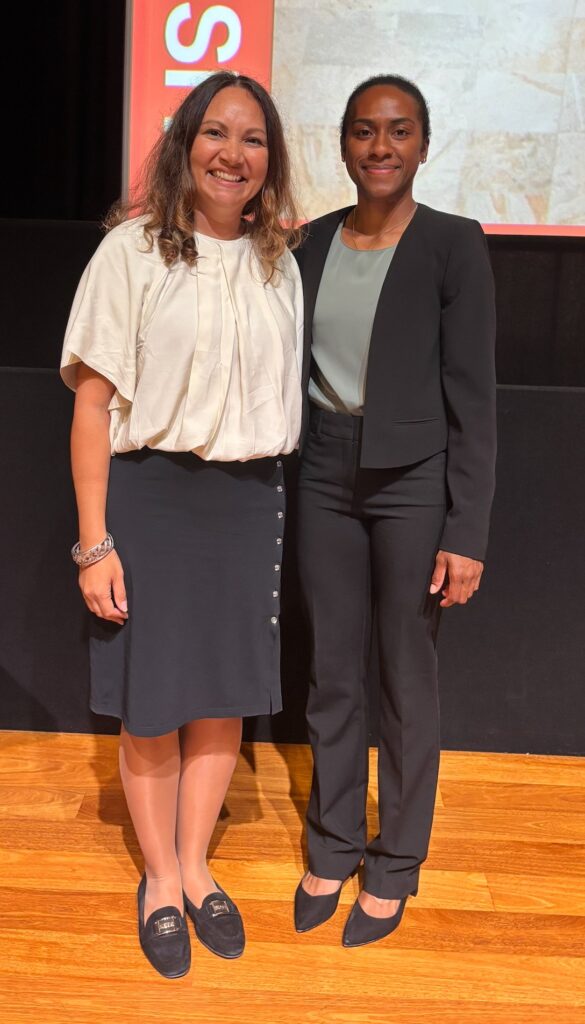
Dr Caroline Riot, Director of Games Engagement and Partnerships, and Adrine Monagi at GOMA for a Griffith Asia Institute event, “Games impact in Oceania”.
Specialising in the 100m hurdles, she has built a distinguished athletics career, representing Papua New Guinea at the World Championships, Commonwealth Games, Oceania Championships and Pacific Games.
Through the Griffith University Oceania Australia Foundation Athletics Business Scholarship, which included full tuition, accommodation, and financial support towards athletics, Ms Monagi completed a Bachelor of Business, majoring in Financial Crime Investigation and Compliance.
The scholarship was made possible through a Griffith partnership with the Oceania Australia Foundation and the Oceania Athletics Association.
“From the beginning, I knew a degree would make a massive difference in my life,” Ms Monagi said.
“I am so grateful for the scholarship and the chance to study at Griffith, and train using the facilities.
“It has been an amazing opportunity to live in Australia while I study, train and compete.”
Oceania Foundation Executive Director Helen McMurray said Ms Monagi was the first to graduate from the scholarship program.
“Adrine is an inspirational individual who did not allow earlier setbacks to deter her from reaching her goal,” Ms McMurray said.
“Adrine has never wavered in her determination to achieve this degree, and the Foundation Board extends its congratulations to her on this outstanding achievement.”
Griffith Sport Collage Director Naomi McCarthy OAM said it was an honour to support Ms Monagi’s athletic and academic journey.
“Witnessing Adrine’s athletic and academic success during this time has shown the power of this scholarship,” Ms McCarthy said.
Griffith Sports College Manager Naomi McCarthy OAM.
“It has been a privilege for Griffith Sports College to be part of Adrine’s journey, and we’re excited to see what the future holds for her.”
In the first year of her scholarship, she won two gold medals and one silver medal at the Solomon Islands 2023 Pacific Games.
Proving a credit to her country, she set a new Papua New Guinea record in the 100m hurdles with a time of 13.46 seconds at the 2024 Australian National Championships in Adelaide.
She also set a national record in the 60m hurdles at the 2025 Australian Athletics Short Track Championships in Sydney.
“I am also very proud to have been one of eight athletes to compete in the World Athletics Continental Tour 2025 in Melbourne, which is highly competitive and requires world-class results,” she said.
Her success in the athletics arena has shown immense mental strength, a drive that has transferred to her academic study.
With a demanding schedule including five days of training each week, attending course classes, completing assessments and managing part-time work, balancing the demands of elite training with full-time study called for an extraordinary commitment.
Reflecting on her final year, Ms Monagi admitted it tested her resilience more than ever, but with the support of Griffith Sports College, coaches and sponsors, she found the strength to persevere.
“This final year of my degree and sport scholarship has really tested my mental strength, and sometimes parts of you can break and they need healing before you can move forward,” she said.
“I know I have been strong through my athletic and academic career but making it through this year has been a real test of my resilience.
“I have been training and travelling for athletics since I was quite young, and these experiences have helped me to develop resilience and learn valuable lessons both on and off the field.
“I’ve learned to handle challenges independently and set my priorities straight.”
Beyond study, sport, and part-time work, Ms Monagi had embraced life on the Gold Coast.
“I have loved living on the Gold Coast and enjoyed the outdoors lifestyle,” she said.
“I’m an outdoor person and enjoy my own privacy and personal space, so I’ve really loved the morning walks, beaches and going to cafes.”
Looking to the future, Ms Monagi was guided by a passion for justice and integrity towards a career focused on the ethical and legal dimensions of security at both global and regional levels.
With a few years remaining in her peak athletic performance, she was eager to begin a professional journey in Queensland, building on the momentum of her academic success and looking ahead to a future that reflected her achievements and courage to forge a path beyond the ordinary.
Every December, the professional world seems to split into two camps: those who race to the finish line, and those who pause to take stock. Increasingly, it’s the second group, those willing to reflect before they plan, who emerge as the leaders moving further, faster, and with greater clarity.
According to Griffith MBA Director Professor Naomi Birdthistle, reflection is no longer a soft skill; it’s a strategic one.
“Self-awareness is the bedrock of leadership,” she says. “When you understand what shaped you this year, the choices, the challenges, the values, you enter the next year more grounded and better prepared.”
Leadership research echoes this: growth accelerates when reflection is deliberate. As 2025 draws to a close, this may be the most important habit professionals can carry into 2026.
Leadership begins with values, but values aren’t static
If your values are your compass, it’s worth asking: are they still pointing you where you want to go?
Many professionals charge ahead in their careers without stopping to notice how their priorities have shifted. Why certain decisions felt right. Why others felt like compromises. Why some moments energised them while others drained them.
Research into authentic and values-based leadership suggests this is more than introspection, it’s performance. Leaders who understand their values make clearer decisions, build stronger trust, and weather uncertainty with more stability.
So, over the break, reflect not just on what you achieved, but on what those achievements reveal about who you are becoming.
2025 has certainly been a year of rapid change across industries, and many leaders found themselves focusing heavily on immediate goals. But the leaders who set themselves apart are the ones who think in arcs, not sprints. An arc represents a long-term trajectory or narrative, a strategic path that connects today’s actions to a bigger vision and future outcomes. It’s about continuity, evolution, and purpose over time. A sprint, on the other hand, is a short, intense burst of activity aimed at achieving immediate goals or quick wins. While sprints are useful for execution, thinking in arcs ensures that those efforts contribute to a broader, sustainable direction rather than isolated successes.
Ask yourself:
What part of your work this year will still matter in five years?
Who is better off because of your leadership?
What systems, relationships or insights did you strengthen?
Legacy isn’t just for CEOs; it’s built in everyday decisions. The small, consistent actions that ripple forward. Professor Birdthistle reminds us: “Leadership is about shaping more than the present moment. Your decisions set direction for the people who come after you.”
The behaviours you carry into 2026 matter more than the goals you set
Goals shape intentions, but behaviours shape leaders.
Great communicators become great by practising how they communicate. Strategic thinkers grow by reflecting on decisions. Resilient leaders strengthen by noticing emotional habits and adjusting in real time. So instead of writing a long list of resolutions, choose a handful of leadership behaviours you want to embody next year:
Listening with intent
Making decisions with long-term perspective
Regulating emotion under pressure
Creating space for others to lead
This is where reflection becomes action.
A stronger 2026 starts with one simple question: What kind of leader do you want to be?
Professor Naomi Birdthistle
Reflection may feel like a luxury in a busy year, but it has long distinguished those who lead with purpose. It’s what separates frantic productivity from meaningful progress. As Professor Birdthistle puts it: “When you pause to really see your leadership, its strengths, its gaps, and its patterns, you give yourself the chance to begin the New Year with intention, not inertia.”
If you’re looking to grow your career in 2026, the most powerful work you can do right now isn’t planning your goals. It’s understanding the type of leader you are wanting to be from the New Year onwards.
A moment to consider new opportunities
For professionals thinking about taking the next step in their career, the end of the year is also the ideal moment to explore further study. Griffith Business School offers a range of MBA scholarships designed to support diversity, excellence and responsible leadership.
With applications now open for the 2026 Trimester 1 MBA scholarships, future students can take this time to reflect on their aspirations and consider how postgraduate study could help shape their leadership journey.
Announced by The Honourable Jason Clare MP, Minister for Education, the Centre has secured $35 million in federal funding with an additional $50 million contributed from collaborating partners and universities, bringing the total funding to $85 million.
Led by Professor Michael Petraglia, Director of the internationally renowned Australian Research Centre for Human Evolution, the new Centre of Excellence – which is Griffith University’s first to be awarded as the lead institution since 2007 – will spearhead groundbreaking research to reframe the study of human origins.
“Despite its promise, human origins research remains hindered by geographic bias, exclusion of Indigenous and traditional knowledge, and lingering colonial narratives – limiting its potential to tell inclusive, globally representative stories of our origins.”
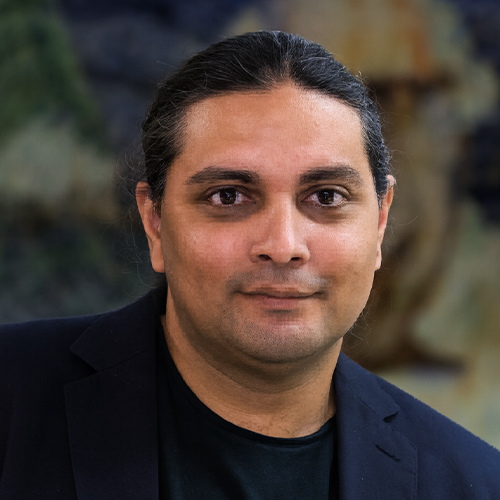
Professor Michael Petraglia
To overcome longstanding biases in human origins research, the Centre is the first of its kind globally, assembling an international consortium of researchers and partners in the field.
The Centre is a collaboration between eight leading Australian universities, led by Griffith University. Partner institutions include The Australian National University, Flinders University, La Trobe University, University of Adelaide, University of Queensland, Monash University, and the University of Western Australia.
It brings together 62 researchers across science, technology, engineering and mathematics (STEM) and humanities and social sciences (HASS) disciplines, working with 30 national and international partners to integrate Indigenous knowledge systems, traditional knowledge perspectives, and cutting-edge scientific methodologies.
The Centre’s inclusive and transdisciplinary approach will see researchers co-design and co-conduct fieldwork with our partners and their communities in understudied regions across Africa, Asia and Australia, revolutionising our understanding of human adaptation and innovation.
The Centre will also support a new generation of transdisciplinary researchers including more than 40 research fellows, 70 PhD and Masters students, and 112 Honours students – with half the opportunities prioritised for Indigenous peoples or those from the Global South.
In addition to formal academic pathways, the Centre will develop co-designed microcredentials and ranger training programs in collaboration with Indigenous communities.
A suite of outreach and engagement initiatives will be delivered in partnership with organisations and communities, including an annual symposium, touring and virtual exhibitions, a seminar series, a transnational white paper policy series, as well as various methods and translational workshops.
Importantly, the Centre will empower Indigenous and traditional knowledge researchers and communities to lead new dialogues that reshape how we understand both past and present human experiences. It will also contribute to public education and inform national and international policies on nature, heritage, and climate resilience.
Griffith University has reaffirmed its long-standing commitment to the APEC region through the refreshed and strengthened Griffith Asia Institute APEC Study Centre, a hub dedicated to advancing sustainable development and regional cooperation across the APEC economies.
Building on the strong foundations laid by its earlier leadership, the Centre continues its role within the APEC Study Centres Consortium—a global network supporting research and capacity building across APEC’s 21 member economies. Operating from within the Griffith Asia Institute, the Centre will deliver rigorous, policy-relevant research aligned with APEC priorities, including sustainable growth, trade, labour markets, migration, health systems, social inclusion, and climate resilience.
Centre Lead of the APEC Study Centre, Associate Professor Parvinder Kler, said the renewed focus comes at a critical moment for Australia’s regional engagement.
Associate Professor Parvinder Kler, Centre Lead.
“The regions encompassing the APEC economies are navigating profound transitions—from demographic shifts and labour mobility to climate challenges and digital transformation. The APEC Study Centre enables Griffith to contribute evidence-based insights that support more inclusive and sustainable economic outcomes across these economies.”
He noted that the Centre’s work will remain firmly guided by the UN Sustainable Development Goals, ensuring its research is globally relevant and regionally impactful.
A key feature of the strengthened centre is the Young Professionals Program, providing emerging scholars with hands-on experience in live policy conversations. Investing in the next generation of regional thinkers is essential. The Young Professionals Program helps students and early-career researchers build the skills and networks needed to shape the region’s future.
Deputy Centre Lead Associate Professor Shyama Ratnasiri emphasised the importance of partnerships and co-creation.
Associate Professor Shyama Ratnasiri, Deputy Centre Lead.
“Griffith Asia Institute’s APEC Study Centre brings together universities, government agencies, and industry partners to co-create solutions. That collaborative spirit is the foundation of APEC, and it’s central to our mission.”
The APEC Study Centre website is now live, offering information on research priorities, partnerships, programs and upcoming opportunities.
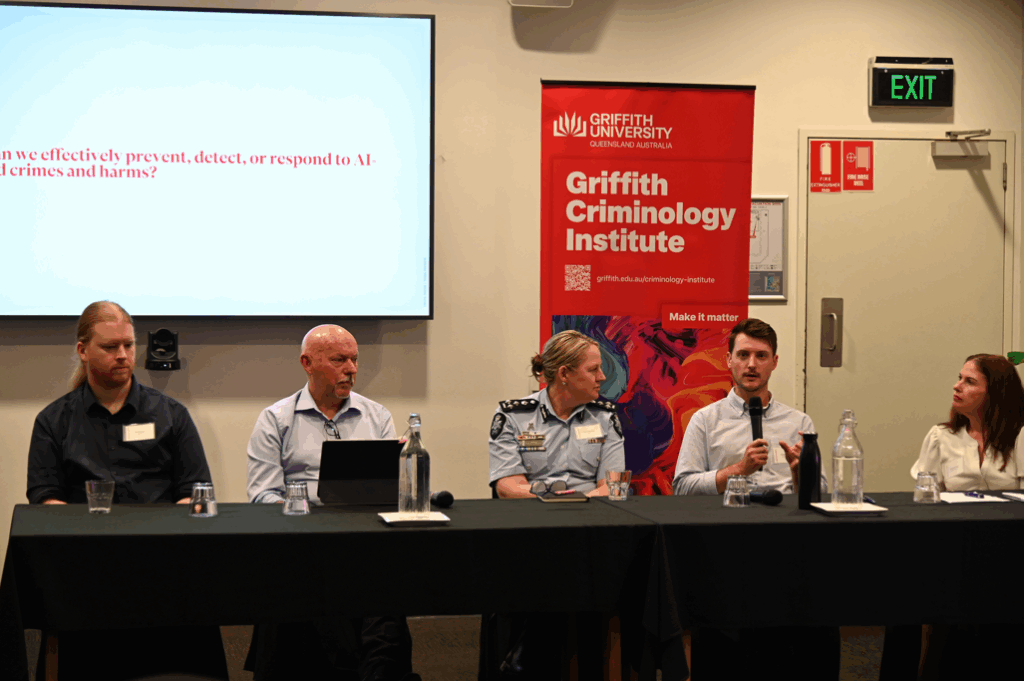
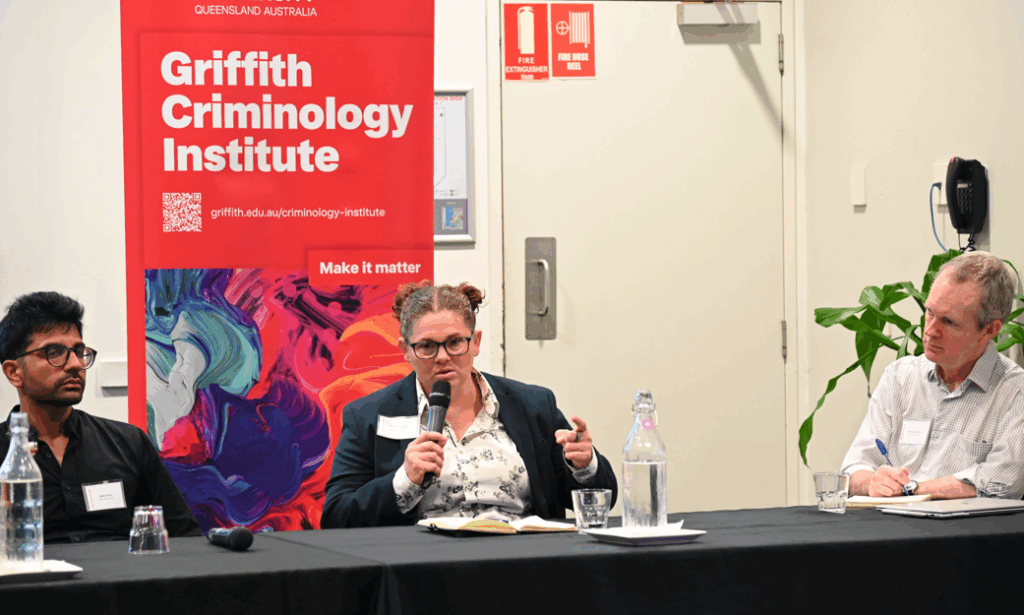
The recent AI and Crime Symposium, hosted by Griffith Criminology Institute, brought together leading voices from academia, government and industry to explore the rapidly evolving dynamics of how artificial intelligence (AI) is reshaping crime, harm, and prevention.
The event highlighted the ever-changing influence of generative and predictive AI applications within the crime, justice and governance landscape.
Panel 1: AI and New Crimes
This first panel explored how AI is enabling novel and traditional forms of offending, particularly in the forms of child sexual abuse material (CSAM), financial crime, and cyberattacks.
To begin, a live demonstration of a generative AI attack-bot by Prof Christopher Leckie, University of Melbourne, showcased the potential of voice-driven chatbots to impersonate individuals flooding emergency services by generating realistic audio and text.
The demonstration emphasised the need for safe-testing environments to evaluate threats and develop countermeasures and how AI might uplift the real threat of swatting attacks on emergency service providers.
Abuse survivor and child abuse prevention advocate Kelly Humphries, from the AiLECS lab at Monash University, discussed the use of AI in relation to both new CSAM risks and detecting CSAM materials.
Humphries discussed the need to have a focus centred on victim-survivor consent, trauma-informed engagement, and ethical data practices. Her call to action emphasised transparency, accountability and victim-survivor agency; it is about remembering the why and the who to drive research and prevention in this area.
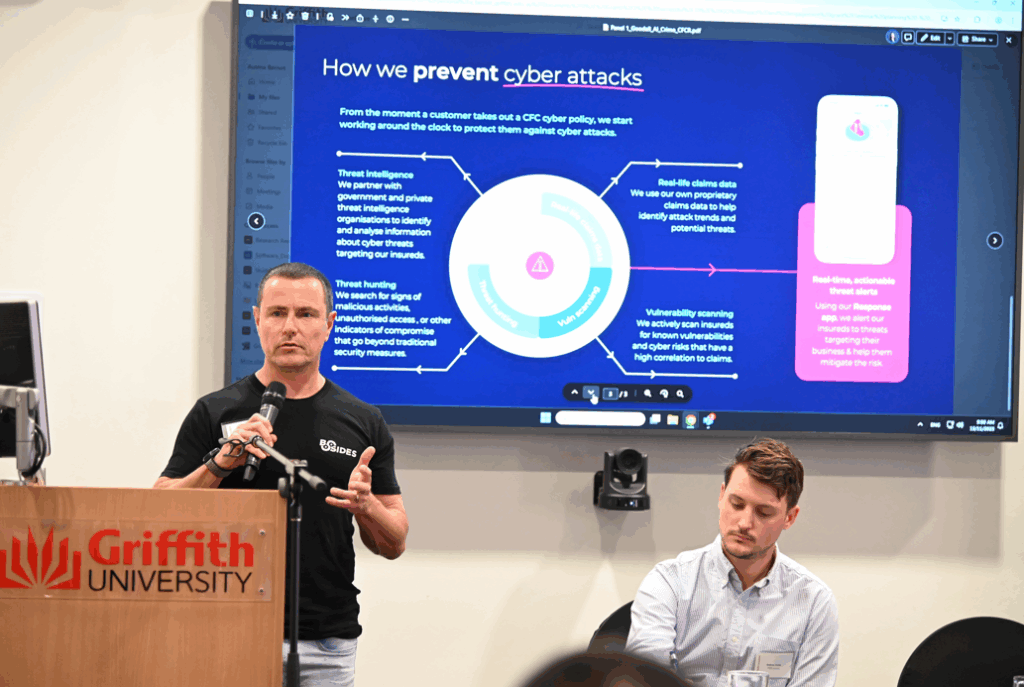
Simon Goodall, from cybersecurity company CFC Response, highlighted the dual role of AI in both enabling and mitigating cybercrime.
With his experience and knowledge, different types of reactive and proactive services with regards to AI-generated phishing and Business Email Compromise (BEC), ransomware and deepfake scams were discussed.
Dr Milind Tiwari, researcher and lecturer in financial crime studies at the Australian Graduate School of Policing and Security at Charles Sturt University, presented a systematic review of existing research on generative AI’s role in the financial crime realm.
He outlined how it can facilitate document fraud, social engineering, and money laundering, whilst also offering tools for anomaly detection and behavioural analysis.
Tiwari described GenAI as a double-edged sword which demands interdisciplinary collaboration and adaptive regulation.
Panel 2: AI Governance
The second session of the day tackled systematic risks and AI governance, starting from embedding ethical practices in building AI tools, to law and regulation that prevents pitfalls, and, last, stress-testing the transparency and accuracy of AI products.
Professor Didar Zowghi, from CSIRO, argued that algorithmic bias is not just a glitch within the AI system, but really a reflection of structural injustice.
Professor Zowghi’s work on diversity in AI reframes inclusion as a form of harm prevention and power redistribution as an ethical safeguard to reduce harm.
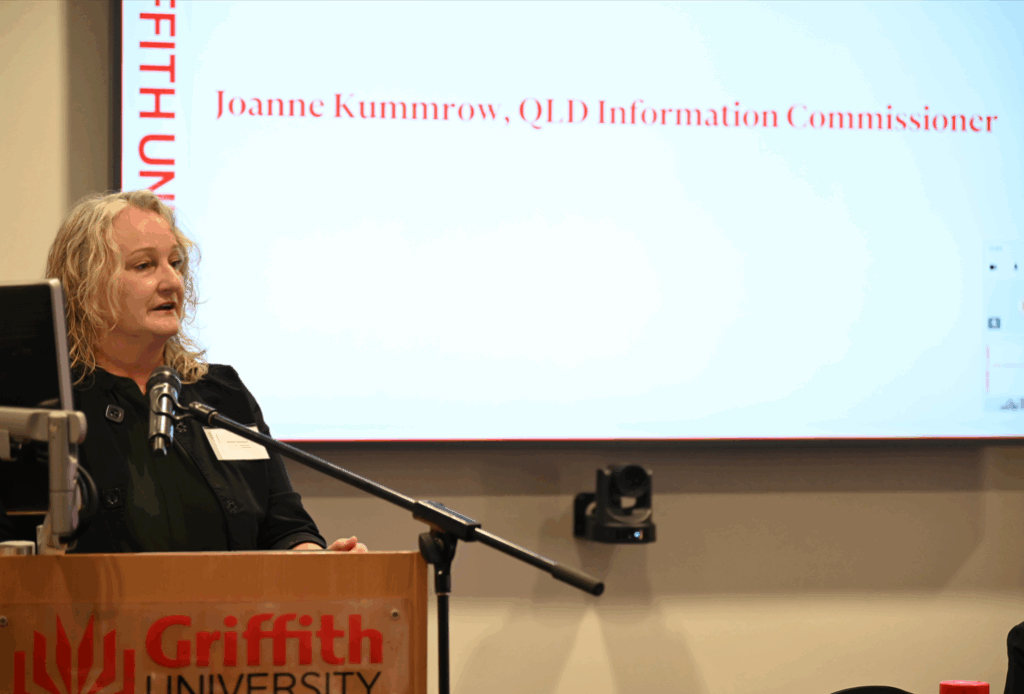
Queensland Office of the Information Commissioner Joanne Kummrow emphasised the importance of privacy-by-design and security-by-design in AI use in the government.
Proactive risk assessments, transparency statements, and strong oversight was advocated during this panel, especially as agencies increasingly outsource AI functions.
Dr Lina Przhedetsky from the University of Melbourne examined how AI in consumer markets (e.g., RentTech) can create inequality.
Dr Przhedetsky’s research demonstrated how AI systems can score rental applicants, reinforce social disadvantage and create new forms of vulnerability, and calls for regulatory reform were made to address information asymmetries and algorithmic harms from opaque systems.
Panel 3: AI and Crime Prevention
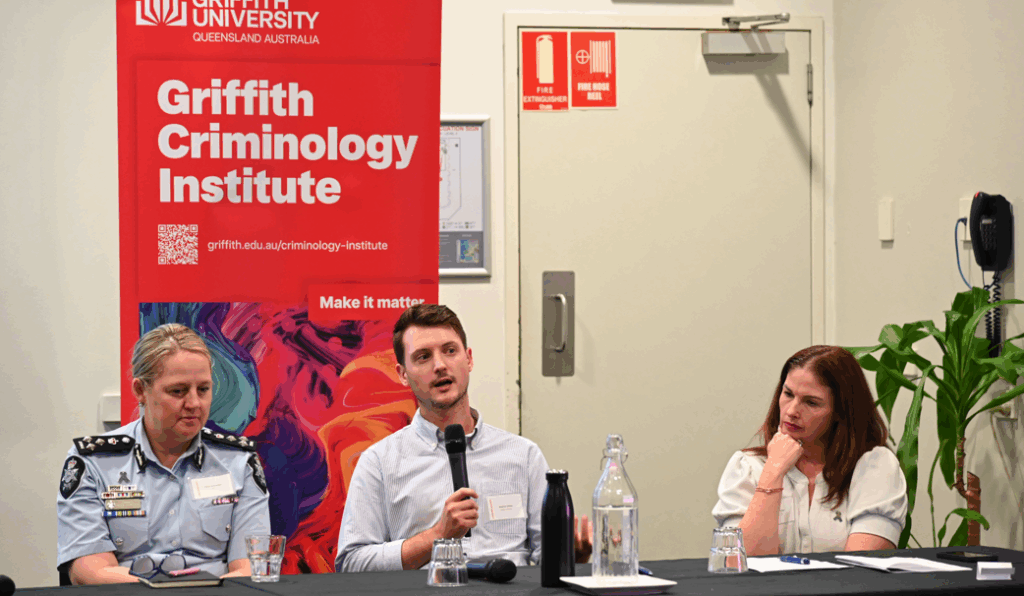
The final panel, which included experts from industry, law enforcement and academic discussants, considered the prevention of AI-enabled threats and what AI’s role could be in crime prevention strategies.
CyberCX Managing Security Consultant Joel Panther warned of autonomous, persistent malicious agents that are capable of disinformation at a large scale.
He placed an emphasis on the need for prevention strategies to counter synthetic identities and trust manipulation through strengthened authentication.
Craig Doran, from investigation management system Comtrac, showcased how AI programs can streamline domestic violence applications for police officers using body-worn camera footage. This emphasised human oversight and ethical prompt-setting to reduce paperwork and return officers to the frontline.
Commander Helen Schneider from the Australian Federal Police (AFP) described how AI is transforming child exploitation investigations.
While offenders are using AI to generate photorealistic abuse material and in financial ‘sextortion’, the AFP is developing human-led AI tools to assist investigators while maintaining trauma-informed practices.
Criminologist Dr Andrew Childs from Griffith University discussed how AI is reshaping online illicit markets, from algorithmic drug advertising to fake identity services and DarkAI platforms.
The panel considered the prevention of AI-enabled threats and what AI’s role could be in crime prevention strategies.
Dr Childs asserted the need to understand the infrastructures that enable these markets to reduce opportunities.
The AI and Crime Symposium was a call to action, combining the knowledge and experiences from both industry and academic professionals.
In a world where the line between human and machine is increasingly blurred, the symposium reminded us that intention, ethics and empathy must remain at the heart of our response.
Whether through survivor-victim informed frameworks, interdisciplinary research, or inclusive governance, the path forward demands collaboration and clarity of purpose.
Children from low-income groups were disproportionally disadvantaged by online testing, according to a new report from Griffith University which used data from the National Assessment Program – Literacy and Numeracy (NAPLAN).
Researchers found numeracy, spelling and reading subjects were most affected by the transition from paper testing to online testing.
Head of Department of Accounting, Finance and Economics Professor Alberto Posso said the shift to online testing may have worsened educational inequalities.
“Even modest score reductions can accumulate and compound disadvantage,” Professor Posso said.
“NAPLAN results can influence placement in selective programs or school applications.
“Lower test scores can put low-income students at risk of reduced opportunities and long-term inequalities.”
The study showed children in grade three and grade five had been disproportionately disadvantaged by the transition to online testing, and numeracy showed the largest decline.
Researchers analysed data from the Australian Curriculum, Assessment and Reporting Authority, covering 10,529 schools between 2008 and 2023.
Income records from the Australian Taxation Office were then correlated to examine the link between household income and school performance.
“Students in the lowest income group scored lower than their peers in the highest income group,” Professor Posso said.
“The results highlighted the need for targeted support for disadvantaged communities, such as equal access to digital resources and training for students, teachers, and parents.”
Saliva and plasma could be crucial in detecting recurrences or relapses of head and neck cancers, negating the need for a painful and invasive biopsy.
The research team from Griffith University’s Institute for Biomedicine and Glycomics investigated whether small extracellular vesicles (small EVs) enriched with plasma and saliva could accurately reflect the molecular profile of a tumour from a head and neck cancer patient.
Head and neck cancers were a deadly form of cancer with medical professionals diagnosing about 900,000 new cases each year.
Professor Chamindie Punyadeera
Professor Chamindie Punyadeera said the team found a strong overlap in the protein cargo between tumour-derived small EVs and those isolated from plasma and saliva.
“More than 60 per cent of identified proteins were shared,” Professor Punyadeera said.
“This indicates biofluid small EVs carry many of the same molecular signatures as the tumour vesicles.”
In addition, several key proteins involved in tumour progression, immune modulation, and extracellular matrix remodeling were consistently detected across all sample types, reinforcing their potential biological and diagnostic importance.
These finding suggested non-invasive biofluids, such as plasma and saliva, could be used to monitor tumour biology and identify clinically relevant biomarkers without the need for direct tumour sampling.
Research Fellow Abolfazl Jangholi
First author, Research Fellow Abolfazl Jangholi, said this could transform how head and neck cancers were detected and monitored, thereby enabling earlier diagnosis, easier longitudinal monitoring, and personalised treatment decisions based on EV protein signatures.
“This study lays the groundwork for developing clinically applicable EV-based biomarker panels which can be used in routine diagnostic testing,” Mr Jangholi said.
“By investigating the functional roles of the overlapping proteins, we can uncover how these molecules contribute to tumour progression and metastasis.
“For the patient, this means a non-invasive alternative to tissue biopsies for cancer diagnosis and monitoring.”
Executive Director of the Institute for Biomedicine and Glycomics, Professor Paul Clarke, said: “I am thrilled to see the results of Professor Punyadeera and Research Fellow Jangholi’s study.”
“Their work, at the core, aims to save lives and is a great representation of the translational research being done at the Institute to deliver real and immediate impacts in Australia, and around the world.”
Two Griffith Business School researchers say Aotearoa New Zealand is entering a pivotal moment in reimagining tourism, following a nine-day, 2,400-kilometre research trip across the South Island as part of the MBIE-funded project He karapitipitinga mariko – Immersive regenerative tourism experiences in Aotearoa.
Griffith PhD candidates Lisa Marie Loehr and Yue Liu joined research partners across four regions to explore how immersive technologies and local knowledge could help create more sustainable, community-led visitor experiences.
“We have to be brave enough to change the paradigm we’re working with,” Ms Loehr said.
“Tourism can no longer be about the relentless pursuit of growth — it must be about designing a system that strengthens communities, culture and the environment.”
Between 2024 and 2025, New Zealand welcomed an estimated 3.41 million international visitors, but the researchers say the post-pandemic landscape has accelerated calls for a “tourism reset”. Workshops with operators, iwi and community groups revealed strong enthusiasm for new models that blend in-person and virtual experiences while ensuring benefits stay local.
“Everywhere we went, people shared their aspirations for a regenerative tourism future,” Ms Liu said.
“What stood out was the importance of partnership — listening first, observing, and only then speaking. That approach is essential for designing solutions that genuinely reflect place-based needs.”
9 days, 5 locations, 4 workshops, and 1 great team
Within the MBIE research programme, the team began to build its collaboration with operators, iwi, communities and destination managers to reimagine South Westland tourism and co-create a regenerative future. Discussions focused on:
Co-creation: collaboration across agencies, iwi, communities, politics, visitors, academia and environmental capacities
Locally defined priorities: immersive technologies as tools for shaping tourist stewardship
Measurable outcomes: defining “regeneration” and metrics beyond economic outcomes
The first ‘Living Lab’ explored aspirations for a resilient, knowledge-intensive and low-carbon tourism system, providing a critical step for ongoing research.
A stay at Te Rau Aroha Marae in Bluff offered a powerful experience of manaakitanga, hosting the first ‘All-Team Meeting’ and reinforcing the central role of Māori worldviews in shaping regenerative models.The visit also provided significant professional insights. “Relationship-building, reflection and continuous engagement are crucial,” Ms Loehr said. “Data sovereignty and protecting local knowledge must sit at the centre of our work.”
Loehr and Liu will continue developing their research through a summer program at the University of Otago, strengthening their understanding of Māori knowledge systems before returning to work with communities on technology-supported regenerative tourism solutions.
As Ms Liu reflected, “Aotearoa showed us its full richness — from snowy peaks to glacier valleys to the warmth of shared kai. The experience has set a powerful foundation for long-term collaboration.”