Dr Arthur Poropat conducts research on personality, the prediction of academic performance, organisational citizenship behaviour, and the management practices that improve staff performance. We spent five minutes with Arthur to learn a little more about his work…
In what area/s does your current research interests lie?
Recently, I have published several articles on the value of using personality ratings provided by someone other than the person themselves (e.g., their colleague, teacher, or peer): it can… hugely improve [the] prediction of performance. Another emerging area…[concerns] culturally-based personality measures, especially looking at how Aboriginal people describe themselves and others.
What are you working on at the moment?
…Together with colleagues at Sydney and Humboldt universities, I have been developing new projects aimed at changing personality and emotional intelligence in order to foster work or academic performance; and…drafting a summary of factors that improve work performance, which I hope to turn into a book…
Are there ongoing or emerging trends in your field/s of research?
Personality has long been assumed to be relatively stable–indeed, it is a common to hear people say things like “You can’t change my personality”. Yet there is increasing evidence that personality changes substantially, especially as a result of getting older or specific life experiences. Likewise, there is growing evidence that people ‘change’ their personality from one situation to another, so personality is best measured within context (e.g., at work or at school). For that reason, I have been developing…projects…on how to change personality to improve people’s life outcomes in health, education or work.
Have there been major developments or key findings that have directed the trajectory of the research?
Several major reviews have greatly changed views on personality in work and education….[such as] Barrick and Mount’s meta-analysis of personality in the workplace… My own reviews of personality and academic performance have had a growing influence because they showed that personality is at least as important as intelligence for education–and it can be far more important. Brian Connelly’s work on other-rated personality have helped to shake assumptions about the best way to assess personality, while Brent Roberts has progressively demonstrated the capacity for personality to affect life outcomes and to change for the better.
Finally, are there challenges in your field/s in trying to bridge the gap between research, practice and policy?
…There is nothing more basic than who you are and what you do, and personality and performance reflect those two aspects of modern life. The increasing evidence of clear links between the two creates substantial opportunities for improving organisational outcomes but also fostering welfare of individuals. For that reason, almost all of my research has had clear practical implications, whether it be for individual selection or development, personal or organisational or social outcomes. …My research shows that we can [improve]…both if we understand how personality and performance are related at a practical level.
Four-time ARIA Award-winning and seven-time platinum selling songstress Katie Noonan has been announced as the new Artistic Director of the Queensland Music Festival (QMF).
The Queensland Conservatorium Griffith University graduate takes the helm from acclaimed jazz musician James Morrison, to become the youngest ever Artistic Director and the first Queensland woman in the role.
Ms Noonan said she was excited to bring the Queensland story to life through music.
“I want Queenslanders to see and hear their story and feel that this Festival truly represents them,” Ms Noonan said.
“I want QMF to be for, about and by Queenslanders, and an event that engages, includes and celebrates the people of this fantastic state.
“I also believe that everyone who talks can sing and that music brings us together like nothing else can.
“I want QMF to be a platform for people from all walks of life to find themselves singing – in the audience, in the shower, in the family kitchen, at choir rehearsals, on the street, even on stage with legendary singers – wherever!”
According to QCGU Director Professor Scott Harrison, it’s a fantastic opportunity for the singer-songwriter, and one that he believes she is ideally suited for.
“Katie will bring an exciting and unique approach to the Festival, one that aligns with her exceptional talent, performance insight and experience as a musician herself,” he says.
“Her versatility as an artist encompasses opera, jazz, pop, rock and dance and will be a wonderful foundation for engaging more and more young Queenslanders in this biennial celebration of music.
“It’s also a great coup for Queensland Conservatorium to see one of our acclaimed graduates continuing to make their mark in the world.”
QCGU staff, students and alumni have performed in every Queensland Music Festival since its inception in 1991.
Ms Noonan’s four-year appointment commences immediately, after being announced by the Premier of Queensland and Minister for the Arts Annastacia Palaszczuk this week.
The next QMF will take place in 2017.
The Queensland State Government should refrain from rushing into new controversial lockout legislation if it is to avoid exacerbating the problem of alcohol-fuelled violence.
This is the call from Associate Professor Grant Devilly who says that the Palaszczuk Government needs to carefully consider the legislation, as well as statistics regarding pre-loading behaviours, whereby people consume alcohol before venturing into town entertainment districts.
He argues that this behaviour needs to be viewed in light of how current policy has led to 10:40 pm being the average time that people arrive in the city for a night out.
The government is aiming to pass laws which will see last drinks at 2 am State-wide, with shots being banned after midnight. Nightclubs will be able to apply to have a 3am last drinks extension, but then must impose a 1am lockout.
Annastacia Palaszczuk has promised the laws will be debated during parliament’s first sitting week of the year in a week’s time.
“Of course, Premier Palaszczuk has the right intention of aiming to reduce alcohol-fuelled violence, but her government really needs a more comprehensive approach to the problem rather than simply making the pub and club drinking times more stringent,” says Associate Professor Devilly from Griffith’s Menzies Health Institute Queensland.
“They really need to think about educating people about what kinds of alcohol levels are acceptable prior to hitting the streets in the evening and making available testing devices in the city so that people can learn to more accurately gauge their drinking. A more comprehensive approach to education is required.”
Associate Professor Devilly recently completed research in conjunction with the Queensland Police Service and Griffith’s School of Applied Psychology, showing that the more people had pre-loaded, the more likely they were to be involved in some form of violent incident or risky behaviour.
In total 3,039 people were breathalysed as they entered entertainment districts in Queensland and were asked to complete either a short or long questionnaire on alcohol-related behaviours. Of those, 2,751 represented people from Brisbane and this data, collected from Thursday night to Sunday morning, was analysed.
“More than 79 per cent of people reported to pre-load, with no differences between the genders and 71 per cent (67 per cent of females and 75 per cent of males) returned a bloodalcohol concentration (BAC) greater than zero. Of those registering above zero, the mean BAC was 0.071 (0.068 per cent for females and 0.073 for males).
“Preloading BAC was related to increased risk taking behaviours and alcohol abuse and dependence. Older people entering entertainment districts had much more accurate estimates of their BAC.”
The project team is currently awaiting a response to a letter written to the Queensland Premier which invites discussion about the specific needs of Queenslanders at this time.
“Our research, together with our preloading project, places us in a perfect position to test the effect of any licencing law changes on alcohol and drug taking behaviours by patrons before and while they visit the entertainment districts.
“We are also well positioned to advise and research any initiatives related to music festival policing.”
Griffith PhD candidate Chris Little will use advanced 3D scanning to help solve one of World War I’s great mysteries.
What happened to the German tank known as Mephisto has been scrutinised for almost 100 years, but Mr Little believes his research may help put an end to the speculation and take the public inside the tank for the first time.
Mephisto was immobilised in the area close to Villers-Bretonneux called Monument Wood in France when it became stuck in a shell crater.
The Germans were unable to recover Mephisto so it remained stranded until July 1918 when Australian troops of the 26th Battalion AIF, which was composed mainly of Queenslanders, eventually regained the lost ground and pushed the Allied front line past Mephisto’s position.
As a result the battalion’s commander ordered the capture of Mephisto and it was sent to Australia as a war trophy. It is the sole surviving A7V tank in the world.
Mr Little said many people have a memory of Mephisto from seeing it at the Queensland Museum, however few have experienced the tank from the inside.
“I’m wanting to bring a sense of excitement into the experience of the tank by allowing them to get up close and personal with it,” he said.
“Mephisto is a very special tank, it is captivating; the mysteries around it, seeing the Queensland troops around it before they brought it back to Australia and hearing stories from people who have been involved with the tank.
“This is an opportunity to give people’s memories of it even more meaning.”
Mr Little’s research uses 3D scanning to create a complete and accurate data set of Mephisto, developing an interactive virtual display of it and finally moving the tank back into its original position in Villers-Bretonneux using advanced forensic software and GPS technology to create a ballistic analysis.
He will present this research project titled, ‘Last Days of Mephisto — Forensic and Ballistic Science’ at the inaugural World Science Festival Brisbane on March 10 as one of the feature presenters.
Mr Little has 15 years experience in 3D scanning in particular with forensic crime scenes and heritage preservation.
Griffith University is an academic partner of the World Science Festival Brisbane. Queensland Museum will host the Festival in Brisbane from March 9 to 13.
The inaugural festival will take science out of the laboratory and into the streets, parks, museums, galleries and premier performing arts venues of Brisbane’s Cultural Precinct in South Banks.
A range of Griffith’s experts will join international leaders from across science and the arts for four action-packed days of public science at its best.
The Griffith MBA continues to stand out from the crowd, with CEO Magazine again ranking the innovative Griffith Business School program among the best in Australia and around the world.
The CEO Magazine Global MBA Rankings for 2016 (released today, Monday) place the Griffith MBA in Australia’s top five, rising one place from 12 months ago.
In the online space the Griffith MBA remains in the top 20, now ranked 13 in the world, and number two in Australia.
“With a record number of business schools involved in the ranking process, this result confirms the Griffith MBA is more than holding its own in a very competitive global environment,” Griffith MBA Director, Associate Professor Chris Fleming said.
“From the program’s core values to its flexible mode of delivery to its high levels of industry engagement, the Griffith MBA continues to be a leader in the field.
“Our focus on the changing needs of the modern student is clearly bringing benefits for all involved.”
The CEO Magazine Global MBA Rankings are designed with applicants in mind, and examine the nuts and bolts of an MBA including learning environment, class sizes, tuition fees, faculty, delivery methods, international diversity and gender make-up.
“The objective is simple: to identify schools which marry exceptional quality with great return on investment,” CEO Magazine’s Group Editor-in-Chief, Alexandra Skinner.
The CEO Magazine Global MBA Rankings has been described as “a ranking system that values sense over cents” by Alon Rozen, Dean of the triple-accredited École des Ponts Business School in Paris.
This sentiment is reflected in continued recognition for the three core values which have set the Griffith MBA apart – responsible leadership, sustainable business practice and global orientation.
This ranking represents further acknowledgment of the Griffith MBA after it gained top billing in the GMAA 5-Star rankings for 2015, and was rated number four in Australia in the 2015 Financial Review BOSS Magazine MBA survey.
Griffith University’s Institute for Glycomics together with Germany’s Bremen University have received funding to continue a research exchange program which will see them begin testing its newly developed chemotherapy drug to treat non-Hodgkin’s Lymphoma.
Non-Hodgkin’s Lymphoma, one of the ten most common cancers in the world, is a type of blood cancer involving the lymphatic system.
Together scientists at the Institute for Glycomics led by Dr Thomas Haselhorst and Bremen University’s Professor Sørge Kelm have developed this new drug over the past three years and now they are at the point of testing on live blood samples and animal models.
The joint grant worth $50,000 from the German Academic Exchange Service (DAAD) in collaboration with Universities Australia, will fund the exchange of academics including early career researchers and junior scholars from both countries on this joint research project.
Over the next two years four researchers from Institute for Glycomics and six from Bremen University will visit on exchange to conduct experiments and share technology and skill sets.
The project will involve not only the development of novel drugs to treat non-Hodgkin’s Lymphoma but will also look at the role of sialic acid plays in the regulation of immune system, tumour development and pathogen interactions such as viruses and parasites binding on cell services.
“Our research will help to understand how parasites evade the immune system and suggest new therapeutic strategies to combat this,” Dr Haselhorst said.
“We will be using state-of-the-art methods and glycotechnology available at both our laboratories to provide an excellent opportunity to open new avenue in disease control.”
Professor Kelm said the partnership allowed an unprecedented exchange of science between two institutions that will therefore compliment the knowledge-base of all scientists involved.
“It is important for young scientists, post-doctorates and PhD students to be involved in this type of exchange as it will have a huge impact on their research careers,” he said.
Institute for Glycomics Director Professor Mark von Itzstein said the Institute has had a successful relationship with Bremen University for more than 11 years and he was pleased this would continue.
“Our research teams are made up of the best scientists from across the world and collaborations such as this one allows us to continue our cutting-edge research initiatives to make exciting advances towards fighting diseases of global impact,” he said.
Griffith University’s Dr Fernanda Helfer is capitalising on a major national award to further her research into the viability of a renewable energy derived from the desalination process.
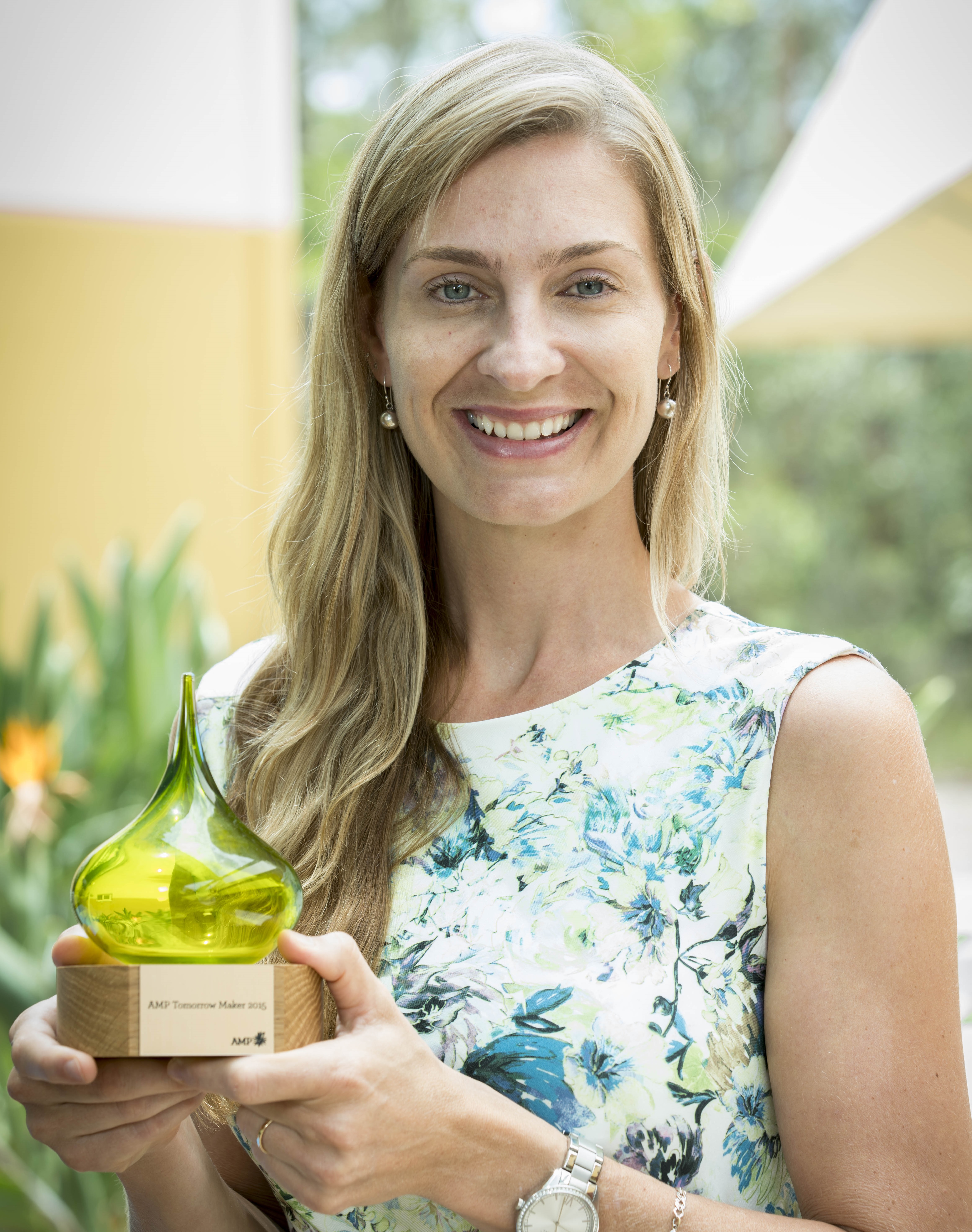
Dr Helfer, from the School of Engineering, is the recipient of a $47,000 AMP Foundation Tomorrow Maker Award and has joined Queensland University of Technology’s Professor Graeme Millar to lead a project studying the potential of Pressure-Retarded Osmosis (PRO) in Australia.
PRO technology comprises a semi-permeable membrane that separates water flows with different salt contents.Through osmosis, the less concentration solution flows to the high concentration side to equalise the osmotic pressure on both sides.
This creates a solution that, once depressurised via a turbine, produces a renewable electrical energy.
PRO-assisted desalination is considered a promising alternative for the desalination industry worldwide, reducing dependence on fossil fuels and allowing minimisation of environmental impacts caused by the discharge of concentrated brine into the sea.
Dr Helfer with her AMP Foundation Tomorrow Maker Award
Dr Helfer and Professor Millar plan to build a portable laboratory unit integrating PRO with Reverse Osmosis (RO) desalination. It will be available for ongoing experiments and analysis.
“We are currently working on a joint research paper featuring several scenarios around the application of PRO-generated power in Australia,” says Dr Helfer.
“We are meeting in March to discuss the design and suppliers of components for the portable PRO unit. Hopefully, it will be built and operational by later this year.”
An important aspect of the project will be a study into the efficacy of using wastewater effluent and brine from desalination plants as a source of energy.
While scientists agree that technical and economic improvements are required to ensure the commercial viability and credibility of PRO membrane technology, Dr Helfer believes this new research will confirm its potential, particularly regarding environmental benefits.
“There is potential for this technology to be used in the mining industry, as it produces a lot of high salinity water which makes it problematic for beneficial use,” she says.
“The PRO process can be used to dilute this water and minimise the impact on the environment when it is disposed.
“PRO is also a potential source of energy for remote and island communities where freshwater is at a premium.”
Last year Dr Helfer co-authored a paper that identified Australia as ideal for the construction of PRO plants linked to desalination plants.
Griffith University is an academic partner of one of the world’s most prestigious scientific and cultural festivals.
Queensland Museum will host the Festival in Brisbane from March 9 to 13.
The inaugural World Science Festival Brisbane will take science out of the laboratory and into the streets, parks, museums, galleries and premier performing arts venues of Brisbane’s Cultural Precinct in South Banks.
A range of Griffith’s experts will join international leaders from across science and the arts for four action-packed days of public science at its best.
Held annually in New York since 2008 the World Science Festival is now one of the most celebrated science festivals in the world.
Pro Vice Chancellor (Sciences) Professor Debra Henly said Griffith Sciences was delighted to be a part of the inaugural World Science Festival Brisbane.
“Our researchers will be involved in a number of events that will showcase our world class research to the general public,” she said.
“There will be something for all ages — from hands on science activities by the Griffith Science On the Go! team for children to stimulating and thought provoking discussions.”
During the Festival Griffith researchers will showcase the latest in 3D scanning technology to create an accurate model of the Museum’s “Mephisto” tank, while budding scientists will be able to experience Griffith’s ground breaking Quantum Physics laboratory.
Griffith will lead a discussion about how revolutionary science may allow rapid mapping and analysis that might be able to save our reefs from climate change.
How Griffith is involved
Signature events
Can we save our precious reefs in time?
12.30-2pm, Thursday, 10 March Griffith Conservatorium Theatre
Presenter: Professor Brendan Mackey, Griffith Climate Change Response Program Director
3.30-4.30pm, Thursday 10 March 2016, Lecture Theatre, Queensland Museum
Presenter: PhD candidate and Technical Officer Chris Little, Griffith School of Engineering
Science Apprentice Program
Quantum Physicist apprentice with Professor Geoff Pryde, Deputy Director, Centre for Quantum Dynamics
Sport Engineer apprentice with Dr Hugo Espinosa, Lecturer (Electronic Engineering), Griffith School of Engineering
Street Science!
9am — 4pm, 12-13 March 2016 at the Cultural Forecourt, Southbank
Displays by the Australian Rivers Institute, the Red Zone’s Augmented reality sandbox and Science on the Go team.
Special guests
Eskitis Institute for Drug Discovery Director Jenny Martin is a panel member at ‘Bucking the sySTEM’ from 3pm on 11 March at the Festival Lab, Cultural Forecourt, Southbank.
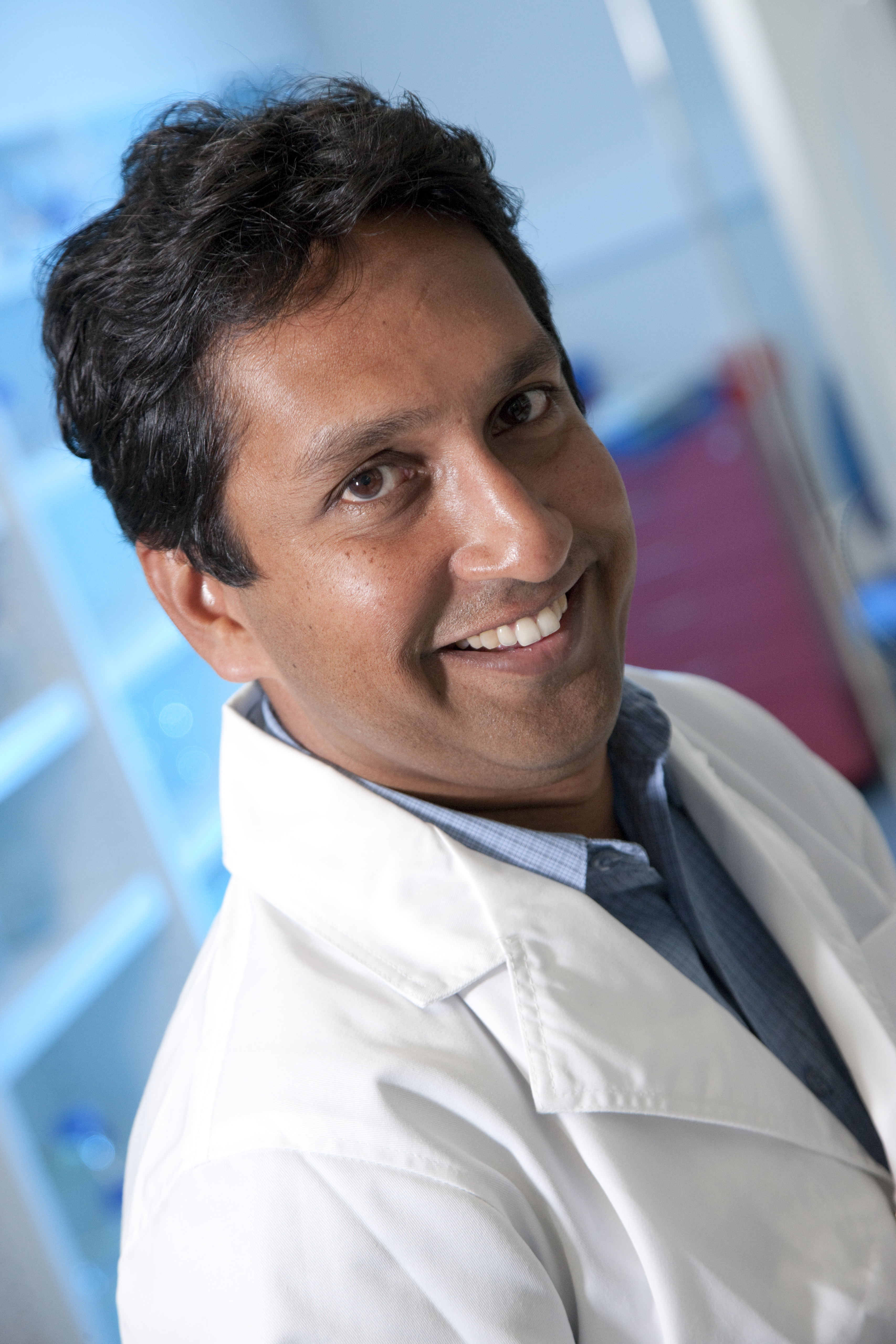
By Suresh Mahalingam, Principal Research Leader, Institute for Glycomics
As Zika fear rises, especially in the wake of the World Health Organization last night declaring a state of public health emergency, people are inevitably asking why we don’t have a vaccine to protect against the mosquito-borne virus.
Zika is generally a mild illness, causing fever, rash and joint pain, which usually resolves within seven to ten days. It was originally restricted to small outbreaks in the Pacific islands, Southeast Asia and Africa.
Professor Suresh Mahalingam
Due to the previously low impact of the virus and the estimated US$160-500 million it costs to develop a vaccine, Zika vaccine has not been on the radar. Other severe and potentially fatal mosquito-borne diseases such as malaria, dengue, and West Nile virus affect millions of people each year and have been a higher priority.
That has all changed with the recent “explosive” spread of Zika in the Americas and the potential link with microcephaly (reduced head size and brain damage) in babies of pregnant women who were infected.
Now we’re playing catch up on the research needed to develop vaccines. We know very little about how Zika replicates, how it causes disease, or how the immune system protects against infection.
So what is the status of Zika vaccine development? And how does this compare with the other mosquito-borne viruses that continue to have such a devastating impact on the world’s health?
Vaccine development
The ideal vaccine induces a strong response from the immune system, gives long-term protection with few doses, and causes no side effects. Though quickly developing such a vaccine is rarely this simple.
Zika
It’s early days, but scientists from the Public Health Agency of Canada, the Butantan Institute in Brazil, and the US National Institutes of Health have started work on Zika vaccines. These research teams may have vaccine candidates ready for initial clinical trials towards the end of the year.
Although full regulatory approval of a successful vaccine would take many years, it could potentially be used in public health emergencies within a year.
Yellow fever
The yellow fever vaccine, developed in 1938, has been highly successful at protecting against the virus, which can cause bleeding, jaundice, kidney and liver failure and, ultimately, death. Of the 44 countries at risk of yellow fever in Africa and the Americas, 35 have incorporated Yellow Fever vaccines into infant immunisation programs.
It is a live vaccine, in which a “weakened” virus induces a protective immune response against subsequent infection.
Live vaccines generally give strong protection, but safety is a significant issue, particularly in people with a weakened immune system.
Dengue
Dengue fever is a widespread tropical disease caused by dengue virus, which is transmitted by mosquitoes. Late-stage clinical trials of dengue vaccines are underway, and a vaccine has recently been licensed for use, but so far only in Mexico.
The field is littered with promising but failed vaccines that could not provide protection against the major strains of dengue virus. Nonetheless, there is hope that one will be available more widely in the coming years.
Chikungunya
Chikungunya virus has recently emerged as a serious human pathogen, causing fever and excruciating pain in the joints that can last months.
As with Zika, chikungunya was long considered unimportant because of its limited geographic distribution. Its dramatic expansion over the past decade, particularly in Southeast Asia and the Americas, has led to mobilisation of the vast medical research capabilities of the United States in response to the threat of it becoming established there.
Chikungunya vaccine development is proceeding rapidly, with a number of vaccines entering clinical trials. Researchers have reported early successes, but we are at least several years away from getting an approved vaccine.
Malaria
The big one is malaria, which kills more than 400,000 people a year. Scientists have been working on malaria vaccines for decades.
The RTS,S vaccine, developed by Glaxo Smith Kline, was successful in clinical trials and may soon be routinely used.
However, it only worked for some patient groups and provided only partial protection. Given its partial efficacy, there is debate in the medical community about the vaccine’s value.
The search continues for better vaccines.
Why is it so difficult to develop vaccines?
There is no recipe for the perfect vaccine. Despite the ever-increasing sophistication of vaccine technology, vaccine development often comes down to “suck it and see”. Many vaccines look promising in pre-clinical testing, only to fall over during the slow and expensive clinical trial process.
For many infectious diseases, we still don’t know what type of immune response is the most effective in providing protection. Since vaccines induce a protective immune response against infection, this can make vaccine design very difficult.
Vaccine safety is a major issue. “Live” or “attenuated” vaccines that involve a related or weakened version of the pathogen are often the most effective. But there is still the potential for these vaccines to cause disease, especially in recipients with weakened immune systems.
Vaccines go through a long process of clinical trials and assessment by regulators before they are approved for routine human use. This is a necessary process, but it sets a very high bar for approval. One of the most successful vaccines ever produced — the smallpox vaccine — is a live vaccine and would probably not have been approved by today’s regulators due to safety concerns.
For dengue, there is an additional complication. People previously infected with dengue are at risk of developing much more severe disease when infected with a second, related dengue strain. Similarly, dengue vaccination could also lead to enhanced disease, rather than protection, when a person subsequently encounters the virus. This additional safety concern has markedly complicated and slowed dengue vaccine development.
Urgent priority
Zika causes mild fever in humans that on its own does not make a strong argument for a vaccine. But the possible link to microcephaly in unborn children, even though not yet definitely confirmed, makes vaccine development —and necessary funding —an urgent priority.
It’s also important to fund basic research to provide a necessary springboard for current and future vaccine development programs.
In the meantime, people in affected areas, including travellers, should take care to avoid mosquito bites by wearing long clothing and using repellents, bed nets and window screens.
Griffith University scientists, postgraduate students and young researchers will be among the beneficiaries of a Memorandum of Understanding signed between Griffith and the world’s largest research group, the Chinese Academy of Sciences (CAS).
The Director of CAS’s National Center for Nanoscience and Technology, Professor Minghua Liu, and Griffith University’s Senior Deputy Vice Chancellor, Professor Ned Pankhurst, signed the MoU today (February 5) as part ofthe1st International Energy and Environmental Materials Forum & 3rd Inorganic Nanomaterials Forum.
World-leading scientists from Australia, Asia, Europe and the US have gathered on the Gold Coast this week for the event being hosted by Griffith’s Centre for Clean Environment and Energy (CCEE), which is based within the Environmental Futures Research Institute.
CCEE Director, Professor Huijun Zhao, said the Memorandum of Understanding was an important development on a number of levels.
“The Chinese Academy of Sciences is the world’s largest research body and it produces a high volume of high quality research in all aspects of science,” he said.
“That alone speaks to the value of this agreement and ongoing collaboration with Griffith University.
“The MoU allows us to share facilities and expertise, which will not only benefit our top scientists, but will also provide an international research environment for our postgraduate students and young researchers.
“Furthermore, the agreement will enhance the way we tackle the important and complex problems concerning the world’s future energy and environmental needs, and will add to the international impact of our findings.”
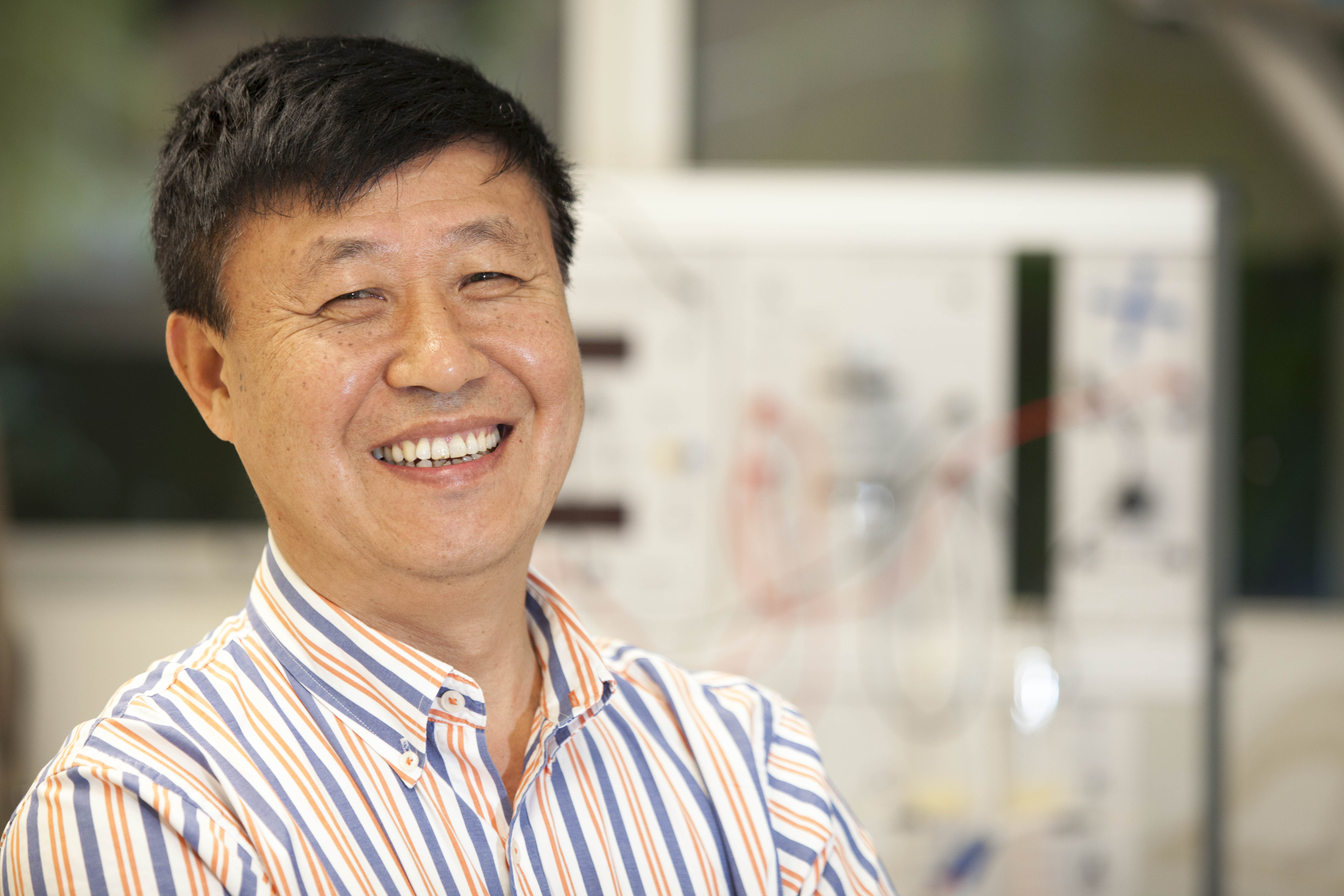
Professor Huijun Zhao, Director of the Centre for Clean Environment and Energy
Professor Zhao and CCEE have established close links with the National Center for Nanoscience and Technology during the past four years, with over 15 joint high impact publications.