The Republic of the Marshall Islands (RMI) is a step closer to establishing a new banking regulatory system with Griffith University academics playing a key part in the move towards a Monetary Authority for the North Pacific Island nation.
In issuing a White Paper for the establishment of a Monetary Authority in the country, Hon. David Paul, RMI’s Minister for Finance, Banking and Postal Services, said that:
“Government intervention in the form of Marshall Island’s Monetary Authority was needed to respond to the increasing vulnerability of RMI’s financial system”.
The basis essentially of the White Paper is a policy paper drafted jointly by RMI’s Office of Banking Commission (OBC) and Griffith’s Pacific Island Centre for Development Policy and Research (PICDPR), soon after OBC signed an MoU in 2022 with PICDRP for assistance with research and policymaking capacity development, which PICDPR provides to several institutions in the region.
A key recommendation of the policy paper had been the establishment of a monetary authority to replace the current centralised system headed by the existing OBC. The bill for the establishment of RMI’s Monetary Authority is scheduled to be presented to RMI’s Government in the coming days and is likely to be passed.
Program Director of the PICDPR, Dr Parmendra Sharma says the policy paper found the major benefits of a monetary authority will be around RMI’s ability to effectively respond to the threats surrounding the continued viability of the nation’s commercial banks and the flow-on effects to payments and the Islands’ financial and economic development. Dr Sharma said:
“Without a central banking authority, the Marshall Islands current banking sector isn’t able to operate effectively and be at risk of governance infractions. An authority will provide a myriad of opportunities through fintech innovations and non-bank finance.”
Head of the OBC, Commissioner Sultan Korean says replacing the current regulatory authority has been in the pipeline for many years as banking sector problems confronting RMI had worsened since 2015, stating that:
“Griffith’s expertise laid a solid foundation for the White Paper and establishment of an internationally credible RMI Monetary Authority.”
Commissioner Korean is also heading the taskforce responsible for the establishment of the Monetary Authority. Members of the Taskforce include Griffith Asia Institute’s Dr Peter Dirou, an adjunct Research Fellow with PICDPR.
Dr Sharma said the policy paper elaborates on the responsibilities of an RMI Monetary Authority, the institutional framework that will be needed, and the pathway to building the Monetary Authority’s capabilities.
“Integrating the establishment of an RMI Monetary Authority, and an associated financial sector development plan, into the Compact renegotiations, highlights the importance of RMI maintaining its links with the US Federal Reserve System and US financial sector regulators.”
The Compact of Free Association is a treaty between the USA and the Marshall Islands which sees the US provide direct economic assistance to the Micronesian country.
The policy paper argues that an RMI Monetary Authority could develop along a similar trajectory as Banco Central de Timor-Leste (BCTL), which is seen as a highly credible institution with operational autonomy and using USD as the legal tender
Overall, this policy paper is an important step towards establishing a monetary authority in the RMI and addressing the financial sector problems confronting the state.
Griffith University is proud to have contributed to this policy paper and hopes it will assist the RMI Government in its efforts to resolve these problems. PICDPR will continue to help develop research and policymaking capacity at RMI’s Banking Commission and later at the Monetary Authority.
New research led by Griffith University reveals how urban areas in Brisbane are losing bird species with characteristics that people find most “aesthetically pleasing”.
The study, led by Dr Andres Felipe Suarez-Castro, found 82 different bird species across 42 different landscape types in Brisbane, but the variety of smaller, colourful, “melodious” bird species decreased in areas where there were not enough green spaces and fragmented landscapes.
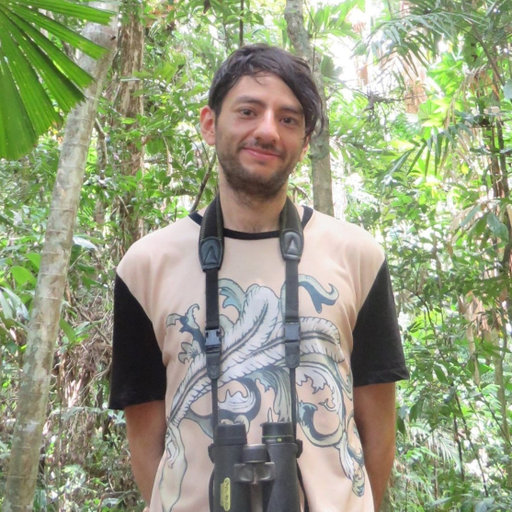
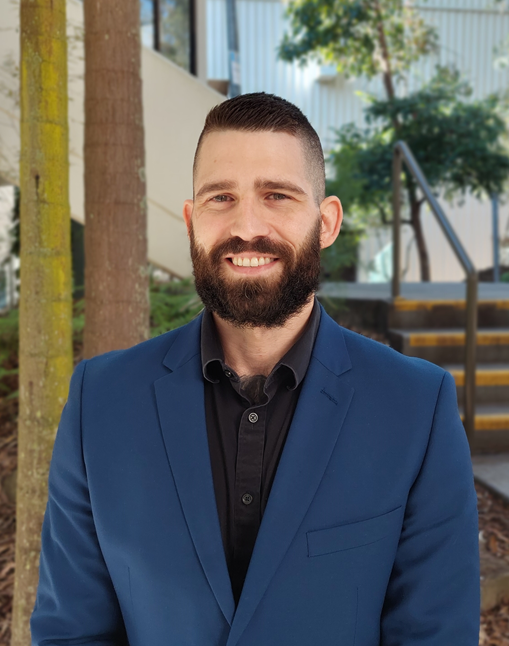
Dr Andres Felipe Suarez Castro.
Dr Suarez-Castro said these outcomes highlighted the importance of designing urban landscapes in future developments that increased opportunities to find colourful and melodious birds and favour people’s connection with nature.
Beauty can be subjective, but several studies have demonstrated that traits such as colour, size and shape favour positive feelings and perceptions of species as beneficial.
“’Attractive’ traits could even influence human preferences toward conserving species and support education and fundraising,” Dr Suarez-Castro said.
The results show that some species like the Scarlet Honeyeater (Myzomela sanguinolenta) and the Yellow-faced Honeyeater (Lichenostomus chrysops) were lost in highly urbanised environments.
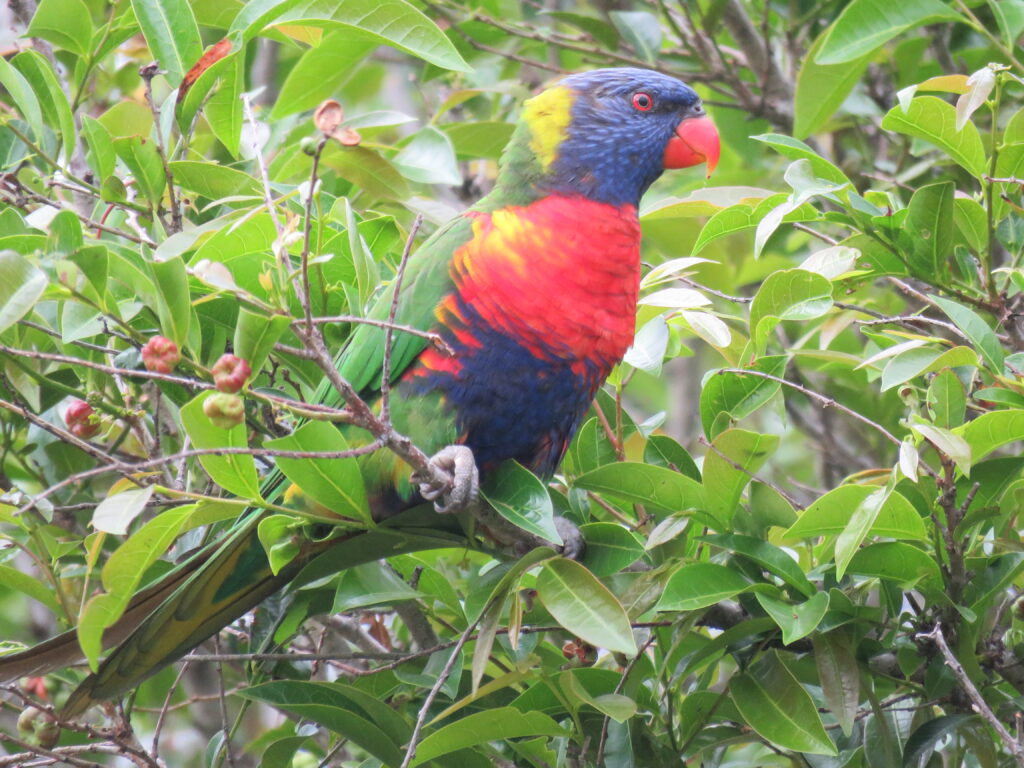
When the number of species was low, landscapes could support some species that are considered “attractive” based on their traits, such as the (Rainbow Lorikeet Trichoglossus haematodus and Willie Wagtail Rhipidura leucophrys).
Colourful bird varieties like the Rainbow Lorikeet are at risk of disappearing from urban areas without adequate planning.
However, the overall attractiveness of a variety of different species could decline, as small bodied, colourful and melodious species were negatively affected by built infrastructure and fragmentation.
It corresponded with the loss of species with high attractiveness values, such as small-bodied forest dependent species that tended to be more vulnerable to urbanisation (White-throated Gerygone Gerygone olivace and Australian Golden Whistler Pachycephala pectoralis).
“But there is potential to maintain attractive assemblages in cities,” Dr Suarez-Castro said.
“Urban planning should consider how to bring back vibrant, colourful birdlife to our cities, enriching our daily lives and reconnecting us with nature in the very places we live and work.
“There are relatively easy fixes like creating green corridors and adding diverse vegetation in parks and gardens. These strategies can provide key habitats for many colourful species with a high diversity of calls.”
Dr Andres Felipe Suarez-Castro
This information could help to track the success of initiatives that seek to achieve wins for both biodiversity and human wellbeing, and it could lead to greater support for conservation and positive human health outcomes.
The third 2024 Pacific Seminar Series was convened virtually by Pacific Island Centre for Development Policy and Research (PICDPR) at Griffith Asia Institute on 20 August. The presenters were from Australian Securities and Investments Commission (ASIC) and Australian Prudential Regulation Authority (APRA). ASIC is Australia’s integrated corporate, markets, financial services and consumer credit regulator and APRA is Australia’s prudential supervisor, responsible for ensuring that our financial system is stable, competitive and efficient. The two are three of the key financial sector regulators in Australia; the third being Reserve Bank of Australia.
The ASIC presenters talked about the Institution’s approach to financial innovation and its enhanced regulatory sandbox. The presentations noted that ASIC’s role was to balance innovation and, at the same time, monitor and uphold market integrity and protect consumers. APRA presenters noted that common challenges in licensing of new financial institutions could be summed up as Four Cs: Capital, Credibility Capability and Contingency.
The Pacific Seminar Series is PICDPR’s initiative for engagement of its stakeholders with the Pacific regulators and policymakers. More than 100 colleagues from the region attended the seminar and appreciated its relevance for the region noting, among others, that that regulators need to have in place clearly established licensing processes and requirements for effective and efficient operations and they need to develop regulatory sandbox to assist in licensing process of fintech companies as well a need to strike the right balance between innovation, regulation and consumer protection.
Dr Parmendra Sharma, PICDPR Program Director, agreed with the relevance and the usefulness of the seminar, noting that: It was the first of its kind event for the region, especially jointly by APRA and ASIC. These seminars are helping PICDPR’s Pacific partners think more broadly about regulation and its implications for the region.
For more details on past and future events, visit the PICDPR events page.
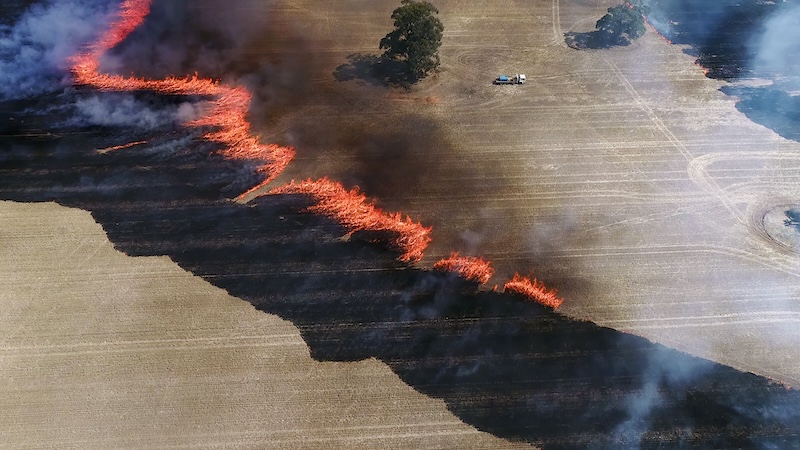
Droughts, fires, and floods can have devastating consequences for farmers’ mental health.
The suicide rate for Australian farmers is also almost 59 per cent higher than the general population, and research has confirmed a link between farmer suicides and extreme weather.
With climate change predicted to increase the frequency and severity of extreme weather events, Australia needs to prepare — or risk losing more farmer lives to suicide.
Extreme weather and farmer suicides
In Australia’s prime agricultural region, the Murray-Darling Basin, extreme drought and hotter temperatures during 2006-2016 were associated with an increase in farmer suicides.
That University of Adelaide research also found a link between the number of months of drought and suicide rate, with just one additional month of extreme drought increasing the suicide rate by 32 percent.
The 2023 National Farmer Wellbeing Report surveyed 1,300 farmers from across Australia, and found that weather and natural disasters were the most common triggers for mental health issues among Australian farmers, affecting 47 per cent.
Weather and natural disasters were the most common triggers for mental health issues among Australian farmers
Almost half of all farmers (45 per cent) had experienced thoughts of self-harm or suicide, while almost one-third (30 per cent) had attempted self-harm or suicide.
Extreme weather events that adversely impacted farming operations were reported by an overwhelming majority of survey respondents (88 per cent). Farmers also reported considerable financial strains when an extreme weather event occurs, with an average cost of $AU1.4 million per farm.
A lack of control over the weather, and a resulting sense of powerlessness, has previously been identified as a contributor to suicide deaths among farmers.
But as extreme weather events become more common and more severe in Australia, these disasters have cumulative impacts on the mental health of farmers, who are not only dependent on the land, but also identify profound emotional and psychological connections to their land.
Research into the mental health impacts of climate change has established that both the actual impact and the threat of losing one’s livelihood, connection to land or sense of place are key contributors to mental health issues, including suicidality. For farmers, these impacts are particularly significant as extreme weather becomes more frequent: This weather is no longer limited to isolated events, meaning there is often no period of stability to enable recovery before the next drought, flood, or fire.
What does the future look like?
Temperatures are all but certain to rise further, and it’s very likely the intensity of extreme rainfall events will also increase, Australia’s national science agency CSIRO says.
Australia is also expected to face “mega-droughts”, meaning droughts that last 20 years or more, modelling from ANU researchers, drawing on precipitation data from over 1,000 years suggests.
These mega-droughts are predicted to be a feature of the Australian climate, even without human-induced climate change. Introducing human-induced climate change into the mix is expected to exacerbate these droughts — presumably worsening their impact on farmers’ financial and mental health.
Encouragingly, the number of farmers seeking help for mental health reasons doubled in 2023
The suicide prevention tool specifically for farmers and the communities, Taking Stock, provides resources and supports at the community, relational, and individual levels.
But with climate change predicted to worsen extreme weather events, governments would be wise to amp up suicide prevention and intervention programs.
These programs could focus on not just why farmers are dying — an area that has been researched — but instead targeting the means by which farmers are attempting and dying by suicide.
Policies and education for farmers about reducing accessibility of means may be one avenue worth exploring for preventing farmer suicides during the fast-approaching reality of extreme weather conditions.
If this article has raised issues for you, or if you’re concerned about someone you know, visitfind a helpline
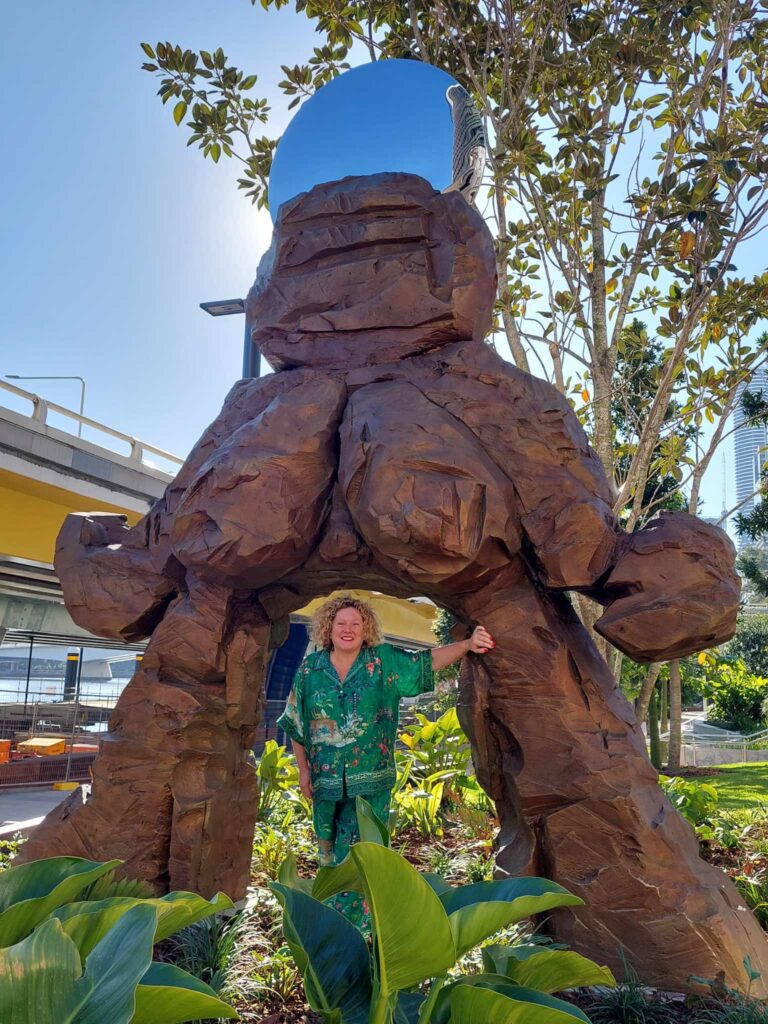
Celebrated contemporary artist and Head of Sculpture at the Queensland College of Art and Design Justene Williams has unveiled her latest public sculpture, set within the newly opened Queen’s Wharf precinct.
Drawing inspiration from the Sheela-na-gig, a figure often associated with fertility and protection, the five-metre-high bronze, aptly named ‘Sheila’ explores the intersection of myth, history and contemporary culture through Ms Williams’ unique artistic lens.
Standing proudly on the river side of the Commissariat Store and keeping a watchful eye on the casino and the city, Sheila was designed as a lucky charm and a sign of good things to come.
“I feel like she could be this tiny charm on a bracelet, but she’s been expanded to a larger-than-life version of that,” Ms Williams said.
Artist and Head of Sculpture, Justene Williams
“She’s a protector of the space – one hand is open, facing up and the other is clenched so it’s as if one hand is collecting energy and the other is holding it in, which also has connotations of bringing in and holding onto the dollars with its position outside the casino.
“I hope she becomes a landmark where people will say, ‘I’ll meet you down by the Sheila’.”
Sheila challenges traditional perceptions of the female form in public art, with Ms Williams’ work often putting a feminine spin on historical figures that championed the masculine form.
The sculpture also features a silver dish as a halo, which Ms Williams describes as a recurring motif in her work symbolising security, reflection and the interplay of past and present.
“I look back on history a lot in my work and particularly the futurist movement, and to me the future is decidedly female,” she said.
“Sheila has two fronts – she is a mother to all and will never turn her back on you.”
Justene Williams with Sheila
Pro Vice Chancellor of Arts, Education and Law at Griffith University, Professor Scott Harrison, said the University is incredibly proud of Ms Williams and her contribution to public art at Queen’s Wharf.
“Public art such as this serves as a bridge between people and place, fostering a deeper sense of community and belonging,” he said.
“Justene’s large-scale work not only enriches Brisbane’s cultural landscape but also reflects the power of art in shaping vibrant, connected communities for the future.
“We’re equally thrilled to acknowledge Griffith alumnus and Honorary Doctorate recipient Dr Tony Albert, whose Inhabitant, a bold botanical artwork of native Australian flora, adds a significant First Nations voice to this public art collection, fostering a deeper connection to the cultural and natural heritage of Brisbane.
“We look forward to seeing the lasting impact these works will have on the city and its residents.”
Dr Albert’s grand-scale aluminium work can be found above the drive-through entrance to the new entertainment precinct on William Street, with both Sheila and Inhabitant now open for public viewing.
Dr Tony Albert’s ‘Inhabitant’
A recent study has uncovered alarming insights into the dangers posed by fentanyl-contaminated drug supplies in Australia, including a heightened risk of lethal overdose.
The study, titled ‘The gear could be cut with fentanyl which is starting to happen more in Australia’: Exploring Overdose Survivors’ Perspectives on Toxic Supply and Safe Consumption, aimed to explore the role of synthetic opioids in overdoses among Queenslanders.
Led by Griffith University’s Dr Timothy Piatkowski, Emma Kill and Steph Reeve in partnership with the Queensland Injectors Voice for Advocacy (QuIVAA), the research involved in-depth interviews with 27 individuals in Queensland who hadexperienced opioid overdoses and aimed to identify appropriate harm reduction strategies.
Dr Tim Piatkowski
Participants voiced concerns about the unpredictability and toxicity of the local drug supply, particularly with the introduction of fentanyl – a synthetic opioid that has been linked to a dramatic rise in overdose deaths in North America.
Dr Piatkowski said the presence of fentanyl in Australia’s drug supply was a growing concern that demanded immediate attention.
“Fentanyl can be anywhere from 100 to 500 times stronger than heroin,” he said.
“Just a tiny amount can kill a person very quickly.
“It’s a lot cheaper to produce or buy, and therefore cheaper to cut into any type of drug.
“Similarly, we have other synthetic opioids such as nitazenes, which can be 500 to 1000 times stronger than heroin.
“We haven’t previously seen them much in Australia, however the Australian Federal Police made a significant seizure in 2022, followed by another in 2023 and several more this year, which indicates they are starting to reach our shores.
“We already have an average of five people a day dying from drug overdose in Australia, but if we throw synthetic opioids like fentanyl into the mix, that number could drastically rise.”
While most commonly found in heroin, these substances could be cut into any recreational drug, including pills and party drugs.
An additional issue was the level of resistance of synthetic opioids to naloxone – a drug used to temporarily reverse the effects of an opioid overdose or adverse reaction.
Dr Piatkowski said someone who had overdosed on synthetic opioids might need two treatments of naloxone, whereas most people would only carry one.
“Based on this information, we’d like to see safe consumption spaces be established in Queensland,” he said.
“There’s a medical injecting room in Sydney and a safe injecting room in Melbourne, but Queensland has so far been left out, even though we see around 300 people a year dying from overdose here.
“Even if someone is carrying naloxone, a successful outcome relies on someone knowing how to use it, but if we had a safe space for people who are going to use drugs, with health professionals on hand, that’s definitely going to help negate a lot of harm.”
A new study published in Drug and Alcohol Review has revealed critical insights into the challenges and risks faced by women who use anabolic-androgenic steroids (AAS).
While these substances are illegal in Australia, changing ideals in body aesthetics and growing popularity of sports such as powerlifting are pushing more women to extreme measures.
With steroid use previously and typically seen as being a men’s practise, the research highlighted the gender-specific obstacles women encountered in acquiring safe and reliable AAS and the urgent need for tailored harm-reduction interventions.
Lead researcher Dr Tim Piatkowski said women were increasingly turning to steroids to meet the demands of competitive sports and fitness cultures that valued muscularity.
“It’s important to understand the motivations and health risks associated with this trend,” he said.
Dr Tim Piatkowski
“By focusing on women’s experiences with anabolic steroids, we can begin to address the significant knowledge gap in sports medicine and develop more effective support and intervention strategies.”
Dr Piatkowski also emphasised that being an illegal substance, there were a lot of unknowns for anybody using steroids.
“The lack of accountability in the underground market puts the health of any user at serious risk, with information and health support difficult to access.
“Men and women have different ideals when seeking out AAS, yet products promoted to women can often contain undesired compounds such as testosterone, which can lead to unintended and potentially harmful side effects.”
These side effects could include masculinising impacts such as voice deepening or facial hair growth, plus acne, menstrual irregularities, clitoral enlargement and psychological distress.
Global estimates indicated AAS were used by around four per cent of women, however this number rose significantly among female bodybuilders to almost 17 per cent.
In jurisdictions (outside of Australia) where use of AAS was legal, approximately 60 per cent of women using sought guidance or prescriptions from licensed medical practitioners.
In Australia however, users generally concealed their usage from medical practitioners.
The research emphasised the necessity for drug checking services specifically designed for women who used AAS.
Such services could verify the authenticity and safety of AAS products, helping to mitigate the risks associated with counterfeit substances.
The research team also advocated for better education on the use of AAS tailored to women, termed ‘steroid literacy’, to equip women with the knowledge to make informed decisions and reduce health risks associated with AAS use.
Ten Griffith University academics are among the 200 early career researchers who have been named in the latest round of Australian Research Council (ARC) Discovery Early Career Researcher Award (DECRAs).
Griffith’s 10 new DECRAs represent the Science, Health, Griffith Business School and Arts/Education/Law academic groups, with the research projects winning a combined total of $4,579,244 from this round’s $92.9 million funding.
Griffith’s new DECRAs are:
Dr Christopher Ambrey (Adjunct Research Fellow, Cities Research Institute), awarded $452,019 for ‘On the hardship that is homelessness’. Homelessness is a global human rights violation and exists, even among States that have adequate resources to remedy it. This study builds on earlier research efforts to investigate: (1) how people fall into and climb out of homelessness; (2) the consequences homelessness has for wellbeing; and (3) how these consequences evolve the longer individuals are homeless. This study is expected to generate new knowledge in our understanding of homelessness by employing underutilised longitudinal data; coupled with sophisticated nonlinear panel data techniques. Ultimately, real service practice and policy changes, informed by theory and based in evidence, are expected to improve the lives of people at-risk of, or experiencing homelessness.
Dr Shevan Wilkin (Adjunct Research Fellow, Australian Research Centre for Human Evolution), awarded $484,941 for ‘Ochre as a preservation reservoir for archaeological biomolecules’. The use of ochre in ancient artwork and adornments is widespread. As ochre is metal oxide-rich, its antimicrobial properties act as a preservative agent for intermixed organic binding agents. This project, through proteomic analysis of ochre-laden residues on archaeological materials, will explore the plant or animal products used to facilitate ochre use in the past. Proteins can illuminate the tissues (blood, milk, saliva) mixed with ochre, allowing insights into ancient human-animal-plant interactions. The completion of this project will: 1) clearly demonstrate the viability of ochre-based residues as a reservoir for biomolecules, and 2) provide insights into primary and secondary products from wild and domesticated species in the past.
Dr Liang Wang (Centre for Catalysis and Clean Energy), awarded $427,691 for ‘Single-Atom Electrode for Hydrogenation Reactions at High Current Densities’. This project aims to develop a new type of single-atom electrodes for electro-catalytic hydrogenation to produce value-added products at industrial-scale current densities. A single-atom tailoring strategy together with precise control of the electrode micro-architectures will be applied to maximise device performance. The expected outcomes include the establishment of basic rules on the fabrication of high-efficiency single-atom electrodes and a fundamental understanding of the relationships between the morphological properties of single-atom sites and catalytic activities. The project secures Australia’s leading position in materials science and renewable energy, bringing economic benefit through the commercialisation of novel electrodes.
Dr Dechao Chen (Queensland Micro and Nanotechnology Centre), awarded $464,071 for ‘Quantum Dot Hybrids for Methanol Photoreforming’. This project aims to develop heavy-metal-free quantum dots hybrid materials for solar-driven reforming of methanol into high-value chemicals accompanied with carbon emissions-free, zero-pollution hydrogen production. The project expects to contribute new knowledge in the colloidal synthesis of quantum materials by overcoming the challenges of organic-inorganic synthesis barriers and providing platform technologies for handling highly efficient photocatalysts. This project will address the critical challenges in methanol photoreforming, and significantly contribute to Australia’s sustainable hydrogen industry and value-adding export economy.
Dr Ryan Heneghan (Australian Rivers Institute), awarded $458,693 ‘Sustainably feeding the world: the potential of climate-adaptive fisheries’. This project aims to uncover the ability of climate-adaptive fisheries management to counteract climate change impacts on the world’s marine ecosystems. Existing global marine ecosystem models lack the speed and certainty to robustly explore this potential, meaning a step-change approach is needed. Leveraging advanced mathematical and statistical methods, this project will develop new tools to deploy global models for strategic, long-term marine ecosystem management. The outputs will allow rapid and accurate long-term planning for sustainable use of the world’s shifting marine resources under climate change. Benefits include advances in climate-adaptive fisheries management to sustainably feed the world’s growing population.
Dr Yun Shi (Institute for Biomedicine and Glycomics), awarded $483,691 for ‘Molecular Functions of Nicotinamide Adenine Dinucleotide Metabolites’. This project aims to investigate the functions of metabolites from the breakdown of nicotinamide adenine dinucleotide (NAD+), an essential molecule for all cellular life forms. These metabolites are likely to play important biological roles in bacteria, plants, and animals, especially in their immune systems. This project expects to determine the structure and function of these metabolites at the molecular level, filling a critical knowledge gap in NAD+-mediated signalling processes. Expected outcomes of this project include advanced knowledge of NAD+-mediated signalling and innate immunity pathways. This should provide significant commercial and economic benefits via the development of technologies against pathogens in plants and animals.
Dr Jessica Kirk (Centre for Governance and Public Policy), awarded $401,029 for ‘Improving the global management of health (mis)information’. This project aims to investigate how health mis/disinformation is managed globally and assess which kinds of governance initiatives are most effective in addressing this problem. Through an in-depth comparison of four global initiatives, this project expects to answer current research gaps concerning the best practices, challenges, and barriers in addressing health mis/disinformation globally, as well as further our understanding of how contemporary global governance operates. The expected outcome of this project is an evidence base to enhance and develop global responses to health mis/disinformation. This should provide significant benefit to Australia’s efforts to improve regional and global health security.
Dr Jianyin Huang (Australian Rivers Institute), awarded $477,931 for ‘Major hidden source of land-based nutrients affecting Australian estuaries’. The project aims to investigate a previously undiscovered driver of declining water quality in Australian rivers and estuaries, namely organic and particulate nutrients. Innovative research approaches, which combine chemical characterisation, measures of ecosystem response and machine learning, will be used to unpack the complex behaviours of particulate matter in delivering a significant source of bioavailable nutrients affecting waterways. The insights of this project will enhance model predictions of water quality and inform catchment management approaches. The benefits include cleaner water, healthier estuarine habitats, more robust fishing and tourism industries, and protection of important sites such as the Great Barrier Reef.
Dr Emanuele Polino, awarded $445,055 for ‘Understanding and control of quantum nonlocality in complex scenarios’. The future quantum internet and cybersecurity are dependent on quantum nonlocality, referring to the strong correlations between distant quantum physical systems. Nonlocality has been studied mostly in two-party scenarios. This project aims to understand and realize multiparty scenarios. It expects to create significant new knowledge on complex quantum networks, generating new nonlocality forms. Anticipated outcomes include innovative quantum optics protocols and causal inference techniques enabling quantum nonlocality in diverse networks, opening new paths for quantum technology. Expected benefits will impact the future quantum internet with the ultimate cybersecurity for transferring economic, personal, health, and government data.
Dr Emma Palmer, awarded $484,123 for ‘Universal Jurisdiction for International Crimes in the Asia-Pacific’. This project aims to investigate how universal jurisdiction is used to prosecute atrocities in the Asia-Pacific. Advancing international relations theories about how norms are adapted in different contexts, it expects to generate new knowledge about how universal jurisdiction can be applied to prosecute crimes against humanity, war crimes, and genocide in domestic courts – regardless of where the violence occurred, or the perpetrator or victims’ nationalities. Expected outcomes include an evidence base for improved decision-making and collaborations for practitioners and officials investigating and prosecuting international crimes in the Asia-Pacific. Benefits include improved access to justice and enhanced responses to atrocity crimes.
“The ARC Discovery Program has an impressive track record in generating new knowledge that addresses a significant problem or gap in knowledge, and it offers exciting opportunities for Australia’s promising early career researchers to develop in supportive environments,” ARC Acting Chief Executive Officer, Dr Richard Johnson said.
“As well as boosting Australia’s research and innovation capacity, DECRA projects result in new technologies and ideas, leading to new jobs, economic growth, and ultimately improved quality of life for Australians.”
The mystery surrounding the targeted removal of red blood cells from the human body is at the centre of new Griffith University research.
Dr Lennart Kuck
Research Fellow Dr Lennart Kuck from Griffith’s School of Health Sciences and Social Work led a study investigating the enigma with his findings published today in PNAS.
“Red blood cells are optimised for oxygen transport and surrender their organelles in the process, thereby losing the tools it would normally have that would regulate the cells’ natural, controlled demise,” Dr Kuck said.
“As a consequence, red blood cells age progressively, before their removal from circulation after around 120 days.
“If old red blood cells continue to circulate throughout the human body, it can pose serious health risks with the potential for clots and depriving some tissue areas of oxygen.
“This can lead to cardiovascular events such as a stroke and myocardial infarction.”
Red blood cells also carry molecules that are toxic to the body if they are released freely into the blood stream.
By removing old red blood cells, cells in the liver or spleen in a controlled way ensures these molecules can be detoxified in these organs.
Despite the mystery surrounding the process of removing old blood cells, Dr Kuck’s research has made good inroads in explaining how this might occur.
“It seems the removal of red blood cells is regulated by proteins in the cell itself, which provides a first step towards developing novel therapeutics that could prevent premature removal of red blood cells in disease or following a transfusion,” Dr Kuck said.
“It also paves the way for early-stage diagnostics in individuals that may be at risk of anaemia due excessive clearance of red blood cells.”
The interdisciplinary research team at Griffith, consisting of Dr Kuck, Associate Professor Michael Simmonds and Dr Antony McNamee of the Biorheology Research Laboratory, teamed up with Associate Professor Jason Peart of the School of Pharmacy and Medical Sciences, and the group of Professor Carsten Marr at the Helmholtz-Centre for AI health in Germany.
A next-generation COVID-19 mucosal vaccine is set to be a gamechanger not only when delivering the vaccine itself, but also for people who are needle-phobic.
New Griffith University research, published in Nature Communications, has been testing the efficacy of delivering a COVID-19 vaccine via the nasal passages.
Professor Suresh Mahalingam
Professor Suresh Mahalingam from Griffith’s Institute for Biomedicine and Glycomics and Griffith Health has been working on this research for the past four years.
“This is a live attenuated intranasal vaccine, called CDO-7N-1, designed to be administered intranasally, thereby inducing potential mucosal immunity as well as systemic immunity with just a single dose,” Professor Mahalingam said.
“The vaccine induces strong memory responses in the nasal mucosa offering long-term protection for up to a year or more.
“It’s been designed to be administered as single dose, ideally as a booster vaccine, as a safe alternative to needles with no adverse reactions in the short or long term.”
Live-attenuated vaccines offer several significant advantages over other vaccine approaches.
They induce potent and long-lived humoral and cellular immunity, often with just a single dose.
Live-attenuated vaccines comprise the entire virus thereby providing broad immunity, in contrast to a single antigen which is used in many other vaccine platforms.
Dr Xiang Liu
Lead author Dr Xiang Liu said the vaccine provides cross-protection against all variants of concern, and has neutralising capacity against SARS-CoV-1.
“The vaccine offers potent protection against transmission, prevents reinfection and the spread of the virus, while also reducing the generation of new variants,” Dr Liu said.
“Unlike the mRNA vaccine which targets only the spike protein, CDO-7N-1 induces immunity to all major SARS-CoV-2 proteins and is highly effective against all major variants to date.
“Importantly, the vaccine remains stable at 4°C for seven months, making it ideal for low- and middle-income countries.”
The vaccine has been licensed to Indian Immunologicals Ltd, a major vaccine manufacturer.
Dr. K. Anand Kumar, co-author of the publication and Managing Director of Indian Immunologicals Ltd. Said: “We are a leading ‘One Health’ company that has developed and launched several vaccines for human and animal use in India and are currently exporting to 62 countries.”
“We have completed all the necessary studies of this novel COVID-19 vaccine which offers tremendous advantages over other vaccines.
“We now look forward to taking the vaccine candidate to clinical trials.”
Professor Lee Smith, Acting Director of the Institute for Biomedicine and Glycomics, said he was delighted with the research findings.
“These results towards developing a next-generation COVID-19 vaccine are truly exciting,” Professor Smith said.
“Our researchers are dedicated to providing innovative and, crucially, more accessible solutions to combat this high-impact disease.”