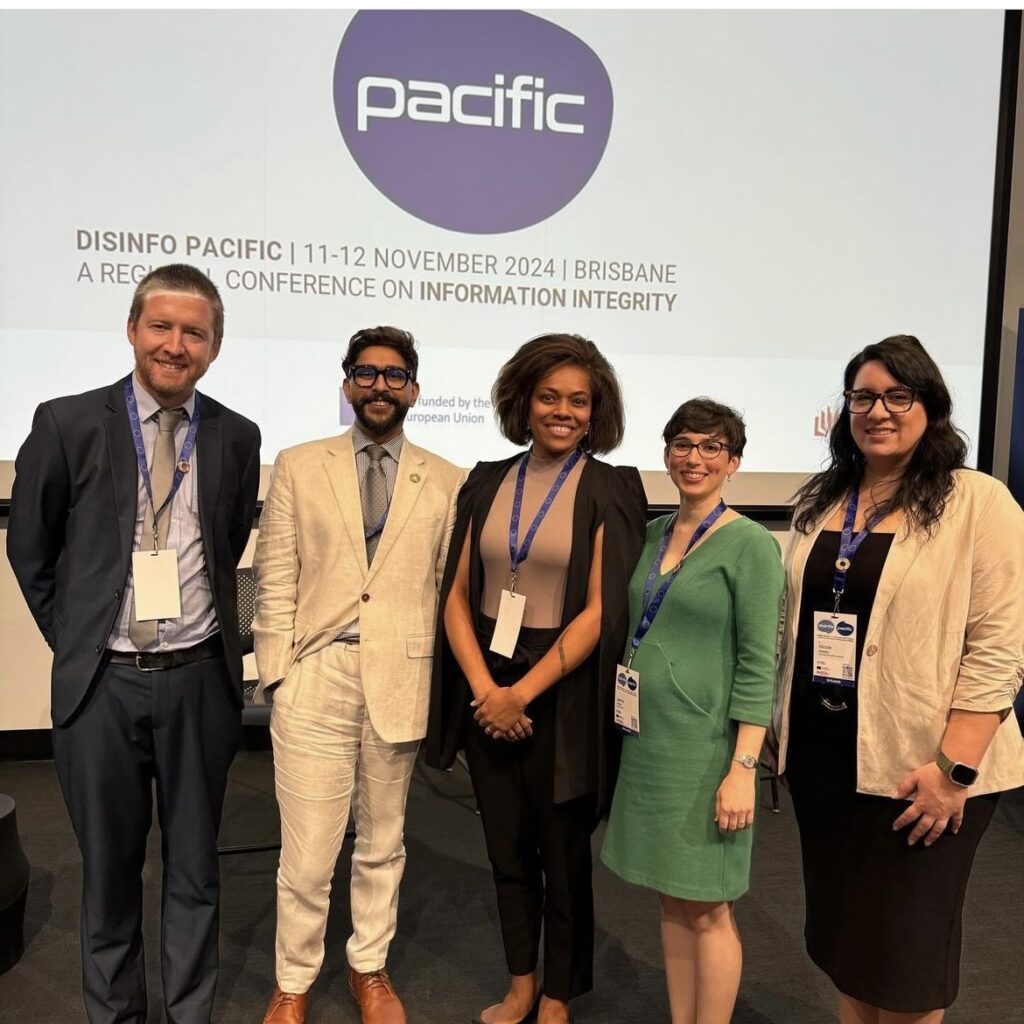
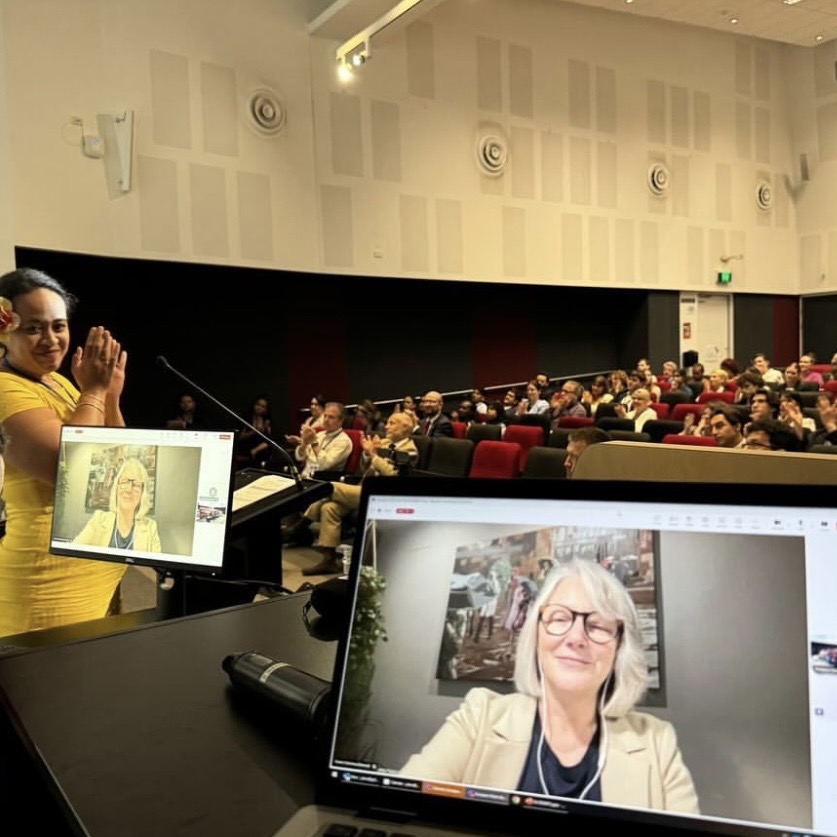
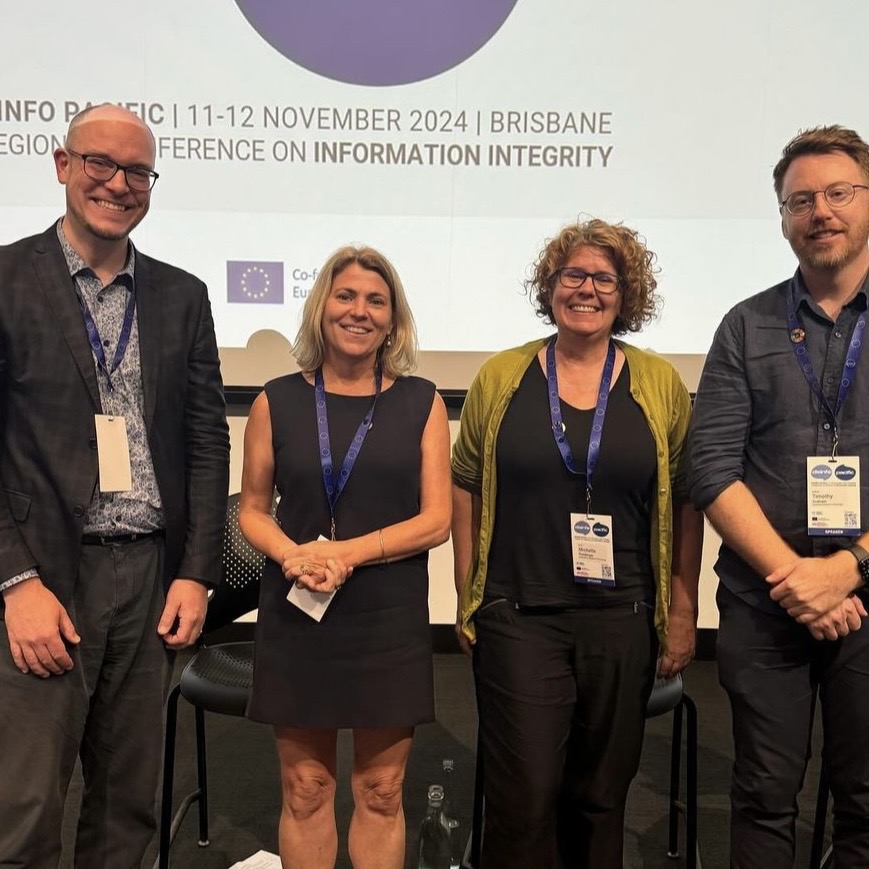
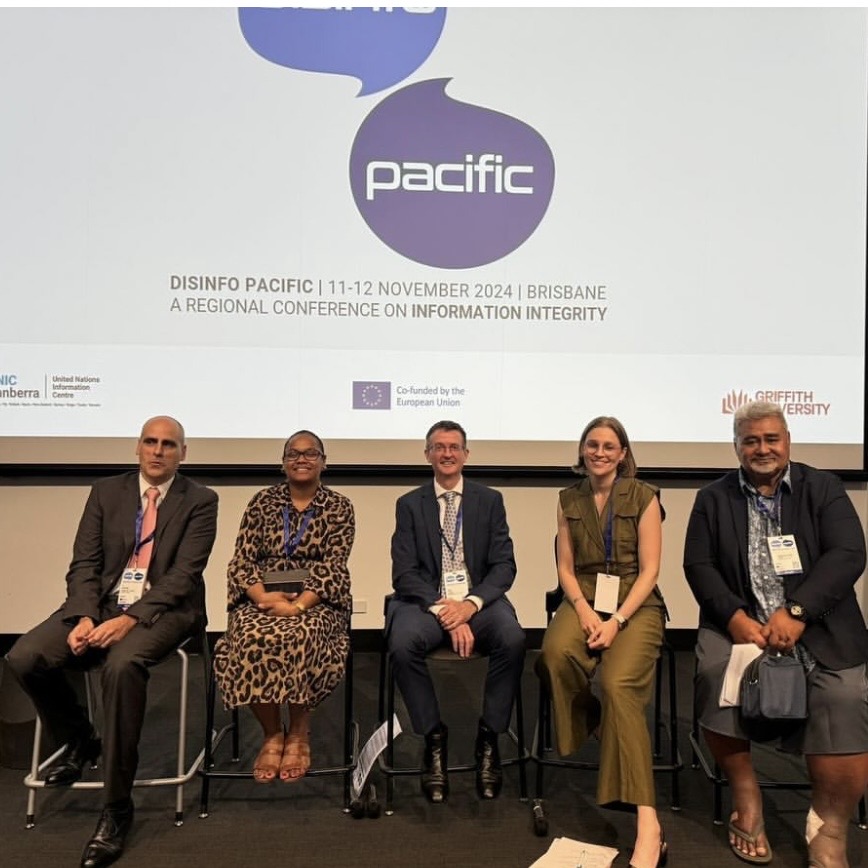
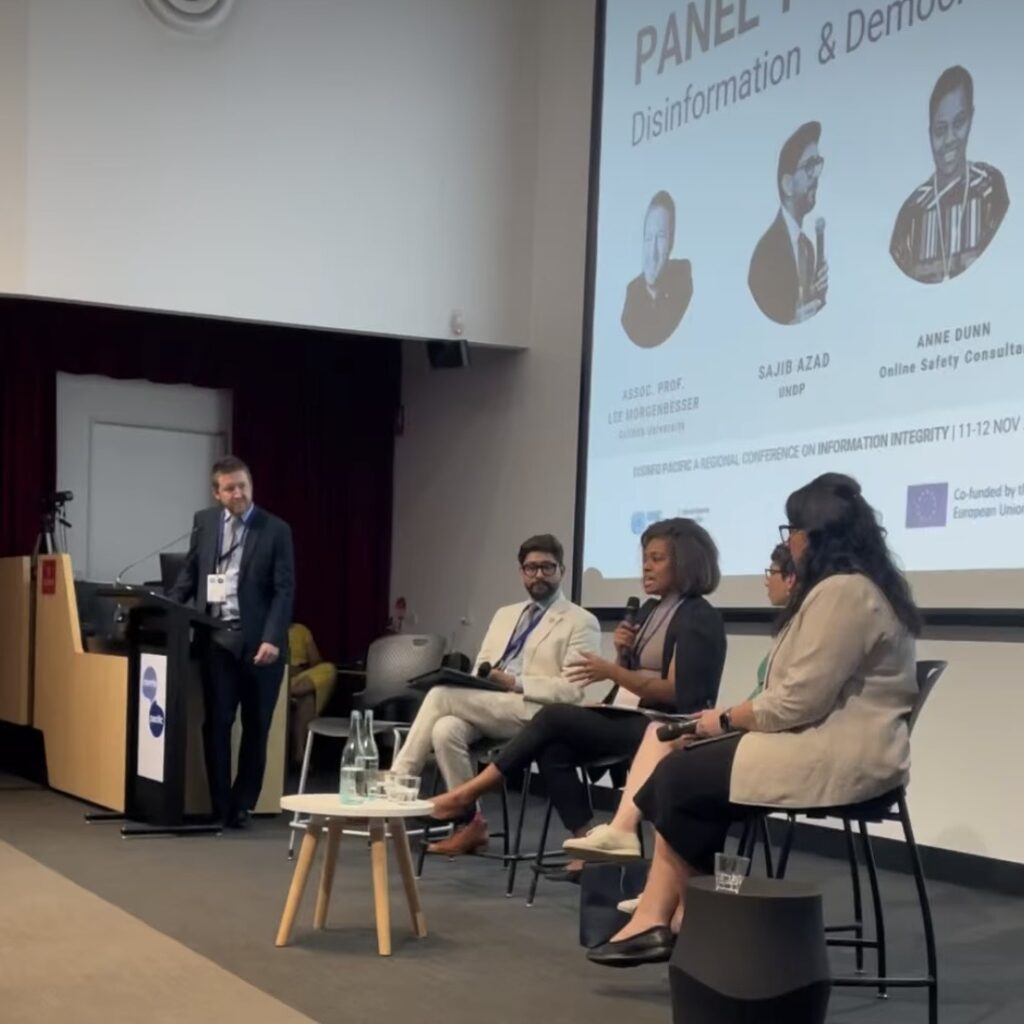
This week, Brisbane became a central hub for discussions on the importance of information integrity as Griffith University, in collaboration with the United Nations, hosted the DISINFO Pacific Conference at its South Bank Campus. With pressing topics such as democratic resilience, public health, and climate action at the forefront, the event brought together policymakers, researchers, journalists, and students to address the rising impact of misinformation in the Australia-Pacific region.
The two-day event, co-sponsored by the European Union, featured keynote speeches from prominent global voices, including Melissa Fleming, UN Under Secretary General for Global Communications and Tanya Plibersek, Minister for the Environment and Water. These leaders, along with an esteemed line-up of panellists from Pacific Island nations and Australian government and universities, addressed the conference’s three pivotal themes: the effects of misinformation and wilful disinformation on democracy, health, and climate. The event’s focus on practical solutions and regional experiences highlighted the importance of cross-sector collaboration in mitigating the harmful effects of disinformation.
A regional approach to global challenges
Experts shared insights on the dangers disinformation poses to democracies worldwide, especially in a year where nearly half the world’s nations are holding elections. These discussions addressed how false narratives erode trust in political systems, disrupt public discourse, and influence election outcomes. A dedicated panel on democratic resilience, led by Griffith University’s Associate Professor Lee Morgenbesser, explored tactics for fortifying electoral processes in the Pacific against misinformation.
Public health concerns took centre stage as well, with discussions on how mis- and disinformation—especially pervasive during the COVID-19 pandemic—continues to challenge trust in medical guidance and government health policies. Managing the Infodemic, a panel moderated by Professor Sara Davies, explored strategies to combat health-related misinformation while strengthening community trust in health authorities.
Climate change, a crisis that crosses borders and impacts ecosystems worldwide, was another focal point of the conference. Disinformation surrounding climate science and policy can delay crucial environmental action and breed public distrust. Professor Brendan Mackey led a panel on The Climate Crisis and Disinformation, bringing together voices from the environmental sector to address the role of clear, factual information in advancing climate resilience.
Dr Ferran Martinez i Coma, expert on electoral integrity and political behavior, moderated an insightful panel on Safeguarding Elections from Disinformation. The panel explored strategies to counteract disinformation’s influence on voter perceptions, foster transparent communication between government agencies and the public, and ensure fair electoral outcomes across the Australia-Pacific region.
Innovative solutions and future strategies
The conference took a three-tiered approach: “What have we seen?”, “What have we learned?”, and “What can we do?”. This format allowed participants to examine past and current disinformation challenges, assess effective practices, and collaborate on future-oriented solutions. Interactive sessions encouraged attendees to contribute ideas for actionable strategies, underscoring the importance of global knowledge-sharing to counter this growing threat in the Pacific.
With a commitment to youth involvement, the conference welcomed some 50 university students and a select group of local high school students to engage directly with experts in discussions, acknowledging the vital role young leaders play in shaping an informed, resilient society.
“Participating in the DISINFO Pacific Conference has been an invaluable experience, offering us a unique platform to engage with global experts and leaders across sectors. The conference’s focus on the intersection of disinformation with democracy, public health, and climate action has not only deepened our understanding of these critical issues but also inspired us to contribute actively towards strengthening information integrity in our communities and beyond.”
Soraya Abdel Aal, President of Griffith University Voices of International Affairs.
As the conference concluded, participants left with a renewed focus on practical, collaborative approaches to address the ongoing challenges of disinformation.
“This conference has represented a tremendous opportunity to focus academic and practical expertise on some of the most pressing problems facing societies today, in Australia and the Pacific, but also worldwide,” said Professor Luis Cabrera of the Griffith University organising team. “We come away not only with a better understanding of how pervasive the challenges from misinformation and disinformation have become, but also a much better understanding of how they can be effectively addressed.”
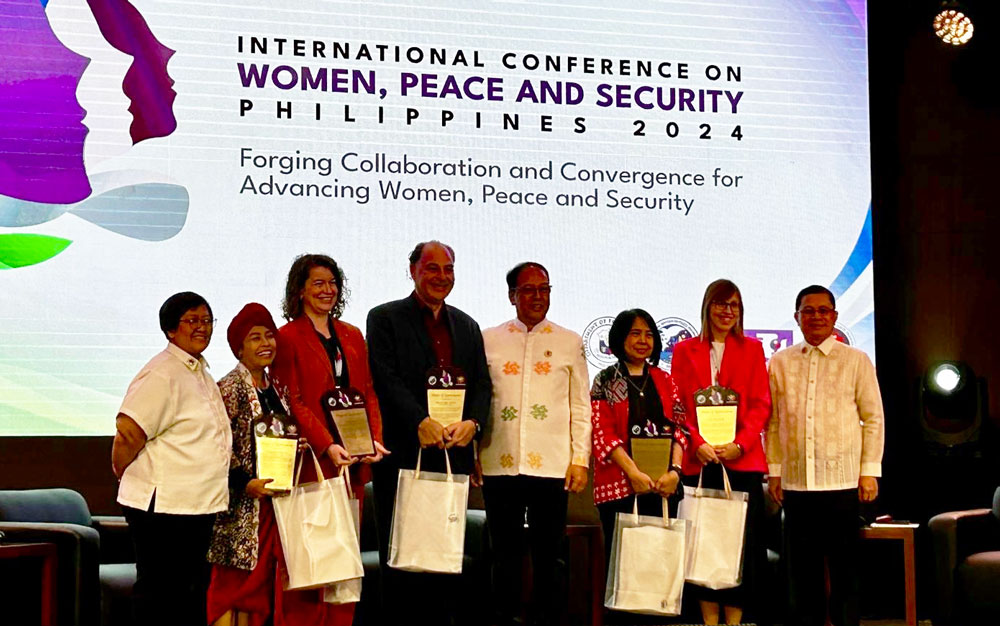
From 28-30 October 2024, the Philippines hosted the International Conference on Women, Peace, and Security in Manila under the theme “Forging Collaboration and Convergence for Advancing Women, Peace, and Security.” Organised by the Philippine government in partnership with UN Women, the Philippine Centre for Islam and Democracy, and the ASEAN Institute for Peace and Reconciliation, the event drew over 700 attendees, including high-level government delegates from more than 100 countries.
The conference served as an international stocktaking on the Women, Peace, and Security (WPS) agenda ahead of the 25th anniversary of UN Security Council Resolution 1325 (UNSCR 1325), aiming to build collaborative strategies to enhance women’s participation in peacebuilding and security.
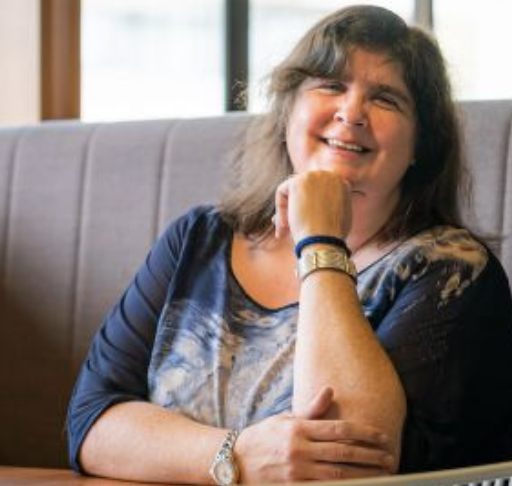
Professor Sara Davies, CEVAW Deputy Director (Indo-Pacific Research), spoke on Day 2 at the session titled “National Action Plans on Women, Peace, and Security: From Vision to Reality,” joining a distinguished panel to share insights on translating WPS policy into impactful action. Professor Davies noted.
“The progress of the WPS agenda hinges on collaborative, inclusive efforts that bridge policy with practical implementation. Creating meaningful change requires commitment across national, regional, and community levels.”
Professor Davies also participated in the 2nd Knowledge Exchange between the ASEAN Women for Peace Registry and the Australian Coalition for Women Peace and Security. Organised by The Asia Foundation and supported by the Australian Department of Foreign Affairs and Trade, this exchange emphasised the importance of women’s roles in climate security and disaster response across the Indo-Pacific.
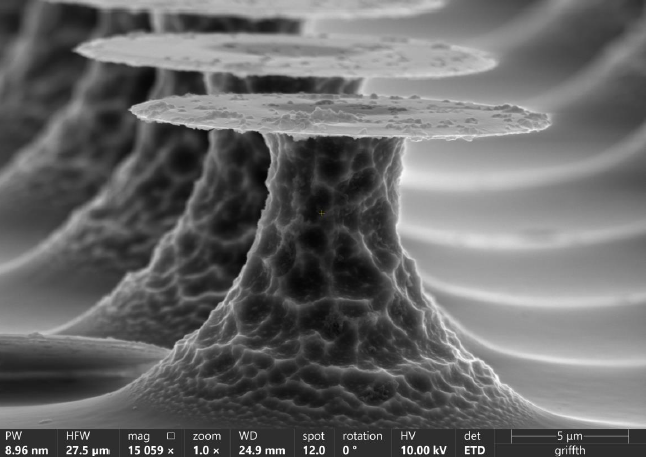
Griffith University scientists have made significant strides in understanding and controlling liquid interactions on tiny, advanced surfaces, a breakthrough that could impact a wide range of industries, from self-cleaning materials to medical devices.
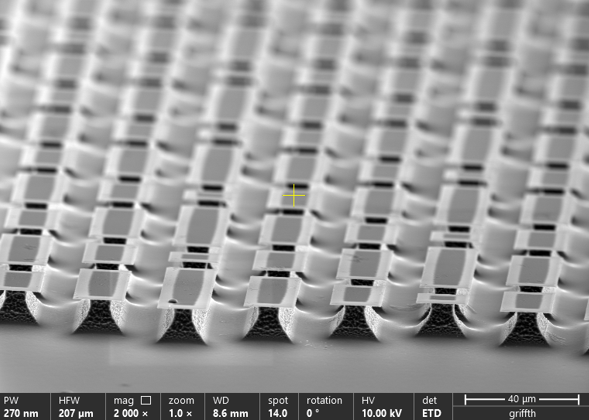
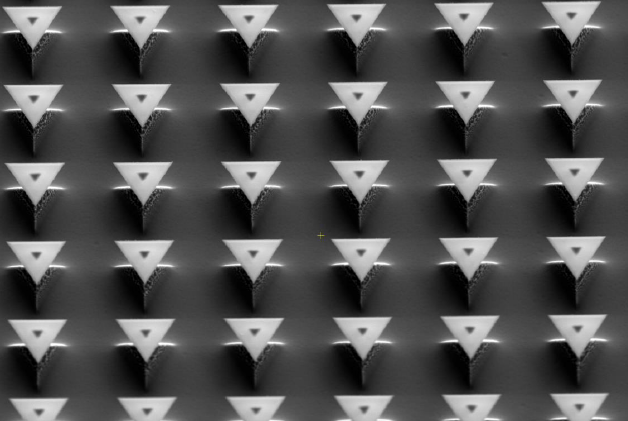
The paper – chosen as the Editor’s Choice and set to feature on the journal’s cover – revealed how factors such as shape, material, and spacing of these microstructures influenced their ability to resist wetting or liquid spreading.
“Our research dives deep into why some surfaces are better at repelling water than others,” said Dr Navid Kashaninejad, one of the study’s lead researchers.
“This understanding allows us to design surfaces that can either repel or attract liquids, which is important for applications like self-cleaning materials or surfaces that avoid fouling.”
The team focused on two materials, silicon dioxide (SiO₂) and silicon carbide (SiC), which each offered unique properties.
While SiC is known for its inherent hydrophobic (water-repelling) nature, the researchers found the overall geometry – especially the spacing and shape of these tiny cap-like structures – played a more significant role in influencing liquid behaviour than the type of material itself.
They found re-entrant structures with larger gaps between them effectively trapped air pockets, enhancing water repellence and preventing the liquid from fully wetting the surface.
This intricate balance between material properties and structure provided a new perspective on designing highly efficient, liquid-repellent surfaces.
Dr Kashaninejad said the implications of these findings were wide-reaching.
“In environmental technology, self-cleaning surfaces could reduce maintenance costs and improve performance in sectors such as solar panels and water-repellent coatings. In the biomedical field, liquid-repellent materials could help develop medical devices that resist bacterial build-up, improving hygiene and patient safety.”
Dr Navid Kashaninejad
“These findings also open doors to creating materials that can withstand extreme conditions, such as high temperatures or harsh chemicals, using materials like silicon carbide.
“This study not only contributes to the growing body of knowledge in surface science but also positions Griffith University at the forefront of innovative materials design.”
Dr Kashaninejad said the team was hopeful further exploration of these properties would lead to even more advanced applications across multiple industries.
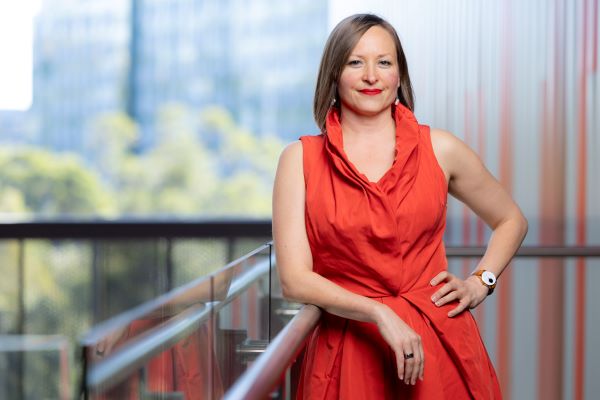
Associate Professor Nalau, a climate adaptation lecturer and expert, has attended several COP negotiations in previous years. She was selected among 78 experts globally for United Nations Framework Convention on Climate Change (UNFCCC) UAE-Belém work programme on indicators under the UAE Framework for Global Climate Resilience.
Associate Professor Johanna Nalau.
“This work programme is technical work to advise countries on which indicators could be best suited to measure global progress under the Global Goal on Adaptation (the GGA),” she said.
“The GGA has seven thematic and four dimensional targets that together aim to decrease vulnerability, enhance resilience and increase adaptive capacity.
“By having a representative at critical international forums such as COP, Griffith University supports evidence-based policies that can enhance adaptive capacities globally.”
The UNFCCC is an international treaty to address the problem of climate change. It was created in 1992, and 198 Parties have ratified the Convention.
In 2015, signatories built on that effort with the Paris Agreement, which aims to limit how much global temperatures rise. The goal is to limit global warming to less than 2 degrees above pre-industrial levels, ideally limited to 1.5 degrees or less.
COP stands for Conference of the Parties and is the main decision body of the UNFCCC that meets annually to negotiate fair and equitable climate change solutions. These efforts also help to track Australia’s progress against agreed goals.
Building on success
In addition to her delegate role at COP29, the Intergovernmental Panel on Climate Change (IPCC) has selected Associate Professor Nalau as one of 230 scientific experts who will attend the Scoping Meeting in Kuala Lumpur in December 2024 in its 7th Assessment cycle (AR7).
Associate Professor Nalau is no stranger to IPCC processes: she was Lead Author in the 6th Assessment Working Group II on Chapter 15 (Small Islands), Lead on Adaptation Science Cross-Chapter Box, and Lead Author in the Summary for Policymakers where she co-led the Adaptation section writing that summarises the key scientific findings on climate adaptation across Working Group II.
Associate Professor Nalau and the 230 scientists were selected from a competitive pool of 2,300 nominations globally. Each of the 230 representatives will bring their respective expert knowledge and will work together to provide the best and most scientifically sound draft outline for each Working Group.
“Participation in the IPCC Scoping Meeting ensures that Griffith University is not just present but an active partner in setting the agenda for IPCC’s 7th Assessment Report.”
Associate Professor Johanna Nalau
“This role supports the development of comprehensive and robust adaptation science, contributing insights that will inform international policy.
“It is the work at these high-profile platforms that ensures scientific findings are effectively translated into policy actions that address climate vulnerabilities worldwide.”
Voice rising up
Griffith Bachelor of Laws (Honours) /Environmental Science student Lilia Ben Dekhil has been invited to attend the COP29 negotiations as part of the Global Voices Fellowship.
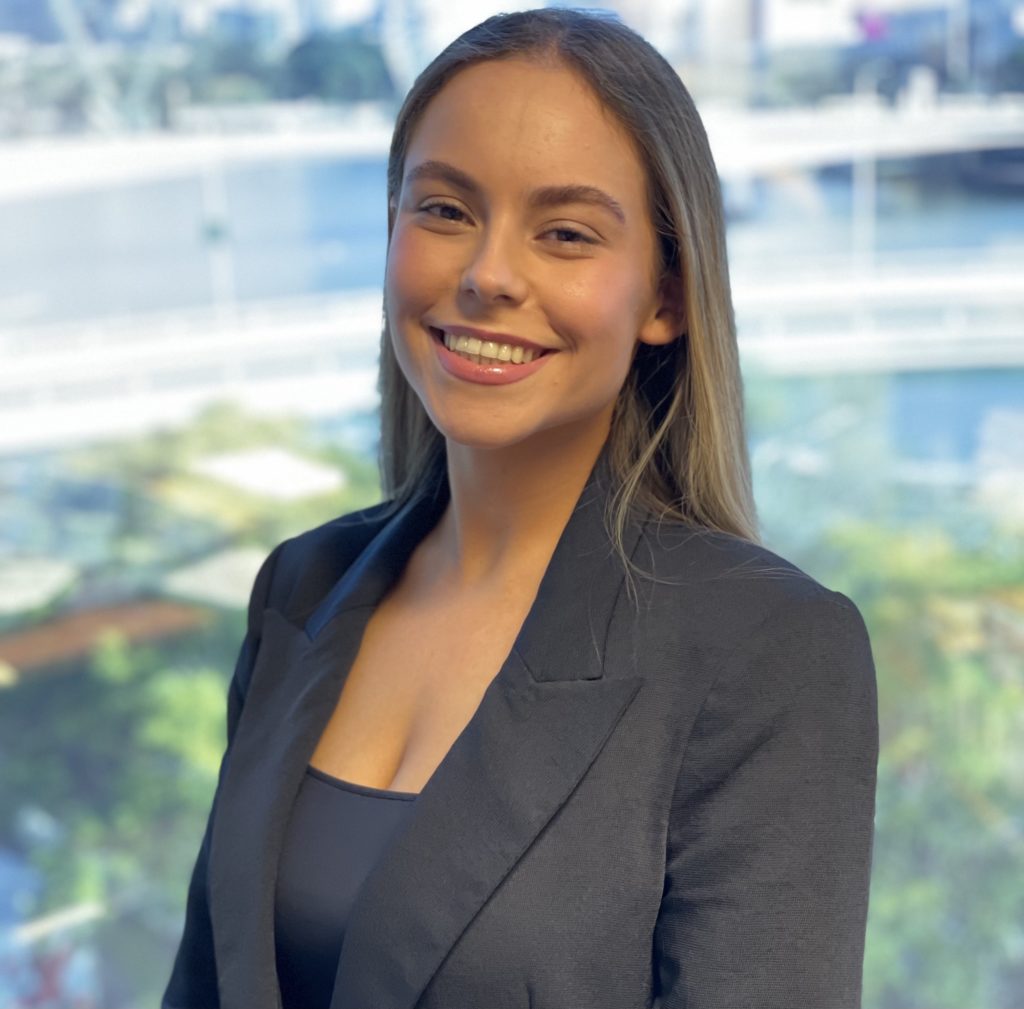
Lilia Ben Dekhil.
As part of her Fellowship, Lilia will write a policy proposal focused on climate policy in Australia, which will advocate for the introduction of a repairability label and index for electronic devices and appliances.
“This topic draws on my academic background, particularly research I have undertaken at Griffith, as well as my experiences as part of the New Colombo Plan Scholarship,” she said.
In 2022, Lilia travelled to Northern Thailand to study an intensive course on ‘Resource Governance, Civil Society and Ethnic Politics in the Mekong Sub-Region’ at the Regional Center for Social Science and Sustainable Development within Chiang Mai University. In 2023, she completed a semester of international law and legal studies at Singapore Management University.
“I am determined to use the law to shape how technology can support the environment,” she said.
“The Right to Repair promotes circular economy principles by reducing the environmental impacts of e-waste and decreasing needless production, yet, extraordinarily many consumers do not have this right yet.”
The Right to Repair is a legal concept and an environmental movement that would see consumers allowed to repair devices without restrictions placed on who can fix them by manufacturers.
“This is an exciting opportunity not only for me personally but also for the Griffith community, and I am confident that my experiences at COP will be beneficial for future discussions around the Right to Repair,” she said.
Griffith University’s Master of Business Administration (MBA) program ranked first in the Corporate Knights 2024 Better World MBA rankings for the fifth year in a row, topping 174 programs around the world.
The ranking recognised MBA programs which worked to build a more inclusive economy, while benefiting society and the natural world.
Griffith Business School MBA Director Professor Naomi Birdthistle said the program impacted both students and the broader community by fostering a new generation of leaders who prioritised environmental stewardship, social responsibility, and economic viability.
“We are delighted to celebrate, for the fifth consecutive year, being ranked the number one sustainable MBA in the world,” Professor Birdthistle said.
Griffith Business School MBA Director Professor Naomi Birdthistle.
“This remarkable achievement underscores our continued commitment to integrate sustainability into our curriculum, thus preparing future business leaders to tackle global challenges with innovative and ethical solutions.
“This equips students with the essential knowledge and skills to effect sustainable change across various industries, thereby making a significant global impact.
“The curriculum is crafted to challenge conventional business paradigms, fostering critical and creative thinking about sustainability.
“We are continually evolving our MBA program to address emerging sustainability challenges.
“Griffith’s MBA program is one of the best in the world at instilling holistic purpose in tomorrow’s leaders and ensuring they have the skills and values to build a more inclusive economy that benefits society and the natural world,”
Corporate Knights Inc Publisher and CEO Mr Toby Heaps.
“Furthermore, we are committed to maintaining our number one ranking and further enhancing our global impact through innovative teaching, ground-breaking research, partnerships and engagement.
“Consistency in excellence is not just a milestone, but a testament to our unwavering commitment to sustainability and responsible leadership.
“Here’s to five years of leading the way and many more to come.”
Psychologists view psychedelic-assisted therapy (PAT) as a transformative tool with the potential to facilitate deep psychological insights and emotional breakthroughs for patients with chronic mental health conditions, a Griffith University study has found.
Researchers interviewed 20 psychologists from across Australia, and most said psychedelic-assisted therapists would themselves benefit from a psychedelic experience as part of professional training.
Training programs which prepared professionals to navigate the complexities of PAT were limited in Australia and there was a demand to equip psychologists with knowledge and training to deliver PAT responsibly and effectively.
Lead researcher Griffith School of Applied Psychology, PhD Candidate Jordan Negrine.
Lead researcher with the School of Applied Psychology, PhD Candidate Jordan Negrine said participants showed both enthusiasm and caution about the perceived therapeutic potential of PAT.
“Psychologists in the study exhibited limited awareness of the implementation processes of PAT in Australia, especially related to prescription and delivery procedures,” Mr Negrine said.
“During the psychedelic experience, clinical outcomes would depend on an individual’s psychological state and the external environment, and these factors create a degree of unpredictability – making access to professional support and training vital.
“The research shows most psychologists believe endorsement by credible institutions, comprehensive education and training programs would remove barriers to the safe delivery of PAT in clinical practice.
“Many participants advocated for specialist training which expands beyond coursework, with an option to undergo supervised psychedelic exposure as part of the training.”
Participants proposed PAT had the capacity to alleviate pressures on the mental health system through facilitating a reduction in psychological barriers to treatment and addressing underlying causes of psychological distress.
Psychologists also noted that under the right conditions, treatment was non-addictive, safe to use, more effective than current psychiatric pharmacotherapies, was associated with fewer instances of aggression and imposed fewer physical and mental side effects.
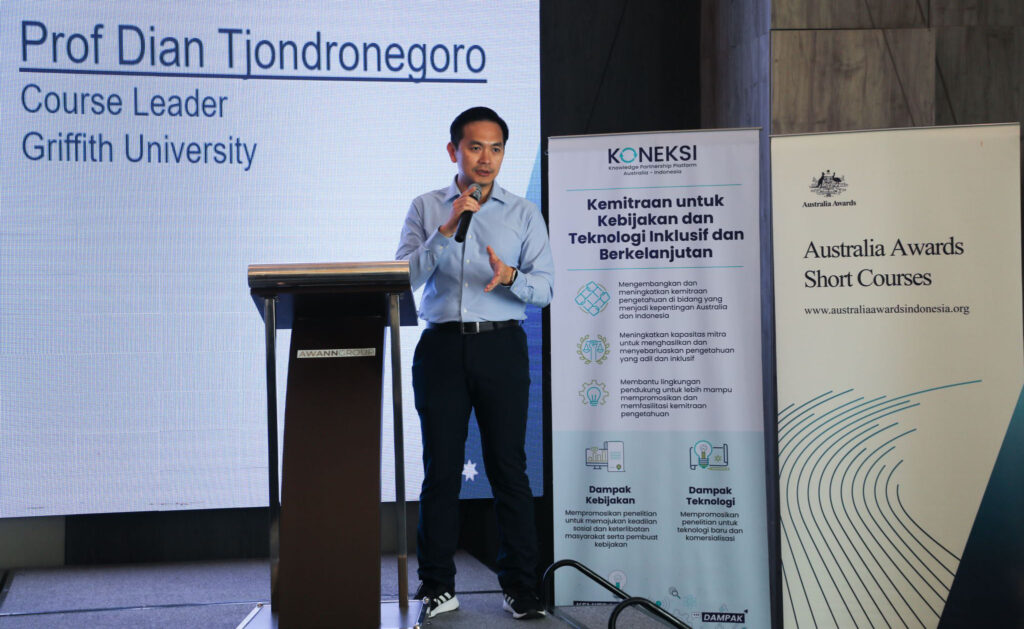
Professor Dian Tjondronegoro delivering his talk at the workshop in Semarang.
From October 15-17, the Australia Awards Indonesia short course alumni held a post-course workshop in Semarang, bringing together 26 participants from diverse institutions to reflect, network, and discuss strategies for advancing Indonesia’s research and innovation landscape. This event was part of the “Towards a Knowledge-Based Economy: Supporting Indonesia’s Research and Innovation Agenda” program, launched in March 2024.
The workshop included a special address by Glen Askew, the Australian Consul General in Surabaya, who praised the alumni for their achievements and expressed hope that the program would serve as a bridge for innovation and shared progress between Indonesia and Australia. His presence underscored the importance of strengthening bilateral ties through initiatives that foster knowledge exchange and practical outcomes.
The program, co-led by Griffith Asia Institute member, Professor Dian Tjondronegoro and colleagues from the Griffith International Development Unit and Tom Verhelst, was made possible thanks to the Australian Department of Foreign Affairs and Trade and the Australia-Indonesia Knowledge Partnership Platform (KONEKSI). The program’s inclusive, co-designed approach has paved the way for future collaborations aimed at building Indonesia’s capacity in research and innovation.
Professor Tjondronegoro expressed appreciation to the Australian Department of Foreign Affairs and Trade and KONEKSI Australia-Indonesia Knowledge Partnership Platform, describing the program as an inclusive, co-designed experience from the start.
“By fostering partnerships between academia, industry, and government, the program is a significant step towards a knowledge-based economy in Indonesia—one where research and innovation are at the heart of sustainable growth.”
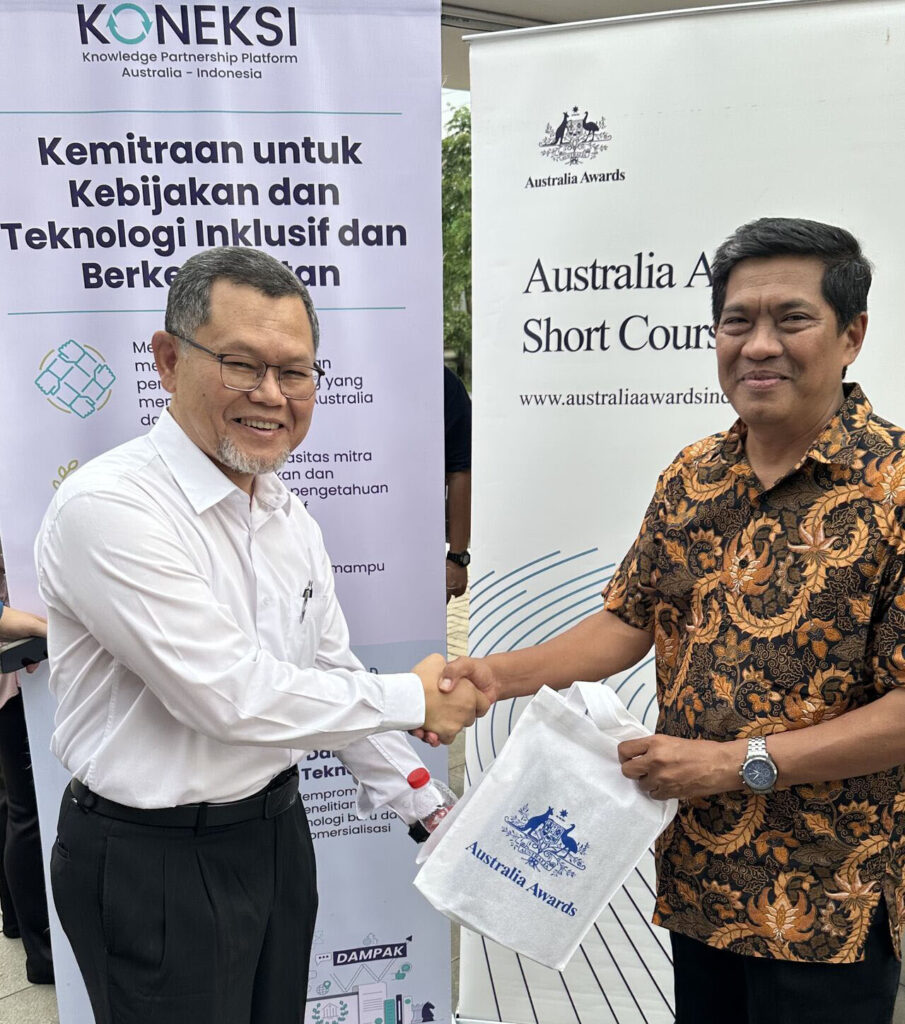
BRIN (National Research and Innovation Agency)’s Director Director for Research, Technology, and Innovation Policy Formulation, Dudi Hidayat thanks and congratulates the KONEKSI funded project leader, Dr. Miftadi Sudjai of Telkom University, for his presentation.
One of the key highlights of the workshop was a site visit to the Tide Eye project, an AI and IoT-powered solution designed to monitor water levels and tidal floods along the north coast of Java.
The Tide Eye initiative aims to address the persistent issue of tidal flooding in Central Java, a challenge that has significant social and economic implications for the region. By witnessing this project in action, the alumni were able to gain insights into best practices in collaborative research and innovation, furthering their understanding of how such initiatives can drive economic and social transformation.
This workshop, conducted in collaboration with KONEKSI, emphasised the critical role that research and innovation play in Indonesia’s progress. The Australia Awards short course equips Indonesian policymakers and future leaders with the tools needed to drive meaningful, long-term change. As a testament to this mission, the alumni’s hands-on experience with the Tide Eye project highlighted the importance of real-world applications and the impact of strategic partnerships.
Through this event, Australia Awards Indonesia continues to contribute to building a knowledge-based economy, fostering innovation, and addressing pressing societal challenges in Indonesia.
‘Democratic architecture’ and people-first design has propelled the work of a Griffith University student’s work to national recognition for his innovative, humanitarian design for a refugee camp, placing third in a prestigious national research competition.
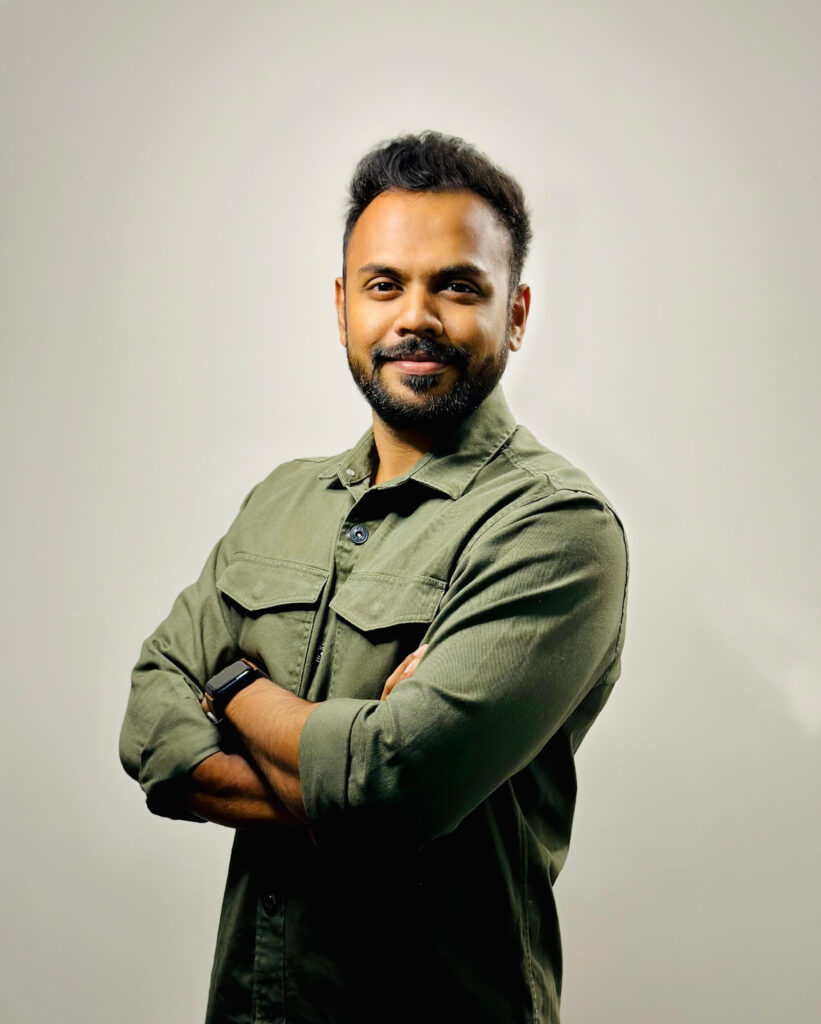
Masters of Architecture student Mahima Herath placed third with his design.
Masters of Architecture student, Mahima Herath, was awarded third place at the 2024 Humanitarian Innovation Pitch, an annual national competition hosted by The Warren Centre at the University of Sydney.
Mahima’s research-based design, titled Barrier-free Medical Services: Enhancing Accessibility to Primary Healthcare Services in Zaatari Refugee Camp, Jordan, addressed one of the most pressing issues facing the 70,000 Syrian refugees in the Zaatari camp – access to primary healthcare.
His modular, adaptable design proposed a network of healthcare satellite clinics connected to a central hospital hub, using recycled materials to create a cost-effective and scalable solution.
The research-based design tackled the physical, social, and cultural barriers that limited healthcare access in the camp and could serve as a model for refugee camps worldwide.
Mahima’s award-winning project was developed as part of a “research-by-design” course at Griffith University, where students were tasked with finding practical solutions to real-world problems.
“Accessibility to healthcare was the main issue I identified in my research,” Mahima said.
“The camp’s population includes people with disabilities, pregnant women, and elderly individuals, yet they lack reliable transportation and face significant barriers to accessing care.”
The 2024 Humanitarian Innovation Pitch competition recognised postgraduate research that addressed critical issues facing marginalised communities.
Originally from Sri Lanka, Mahima completed his Bachelor in Architecture in his homeland and became a registered architect in Sri Lanka with four years of experience in the field before deciding to pursue further opportunities through Griffith’s Master of Architecture program.
He chose Griffith University for its strong reputation and the potential growth in Queensland’s construction industry ahead of the 2032 Olympics. As part of his study, he also completed an internship at the City of Gold Coast in the City Design Unit.
Within his Masters at Griffith, Mahima completed two research-by-design courses with Dr Cecilia Bischeri and Dr Zuzana Kovar, who he credited for their expertise, advice and encouragement.
Mahima has now started work at the renowned firm Burling Brown Architects in Southport, Mahima explained his passion for “democratic architecture”, a people-first design philosophy that sought to create spaces that were equal and accessible for all.
His experience working with diverse communities in Sri Lanka had greatly informed his approach.
“People-centric design is my goal,” Mahima said.
“This project is about more than just design, it’s about understanding the cultural context and creating spaces that truly serve the people who need them most.”
The Mary River (Moonaboola) in south-eastern Queensland is a sanctuary for several threatened and endangered freshwater species, such as the Australian lungfish and the Mary River turtle.
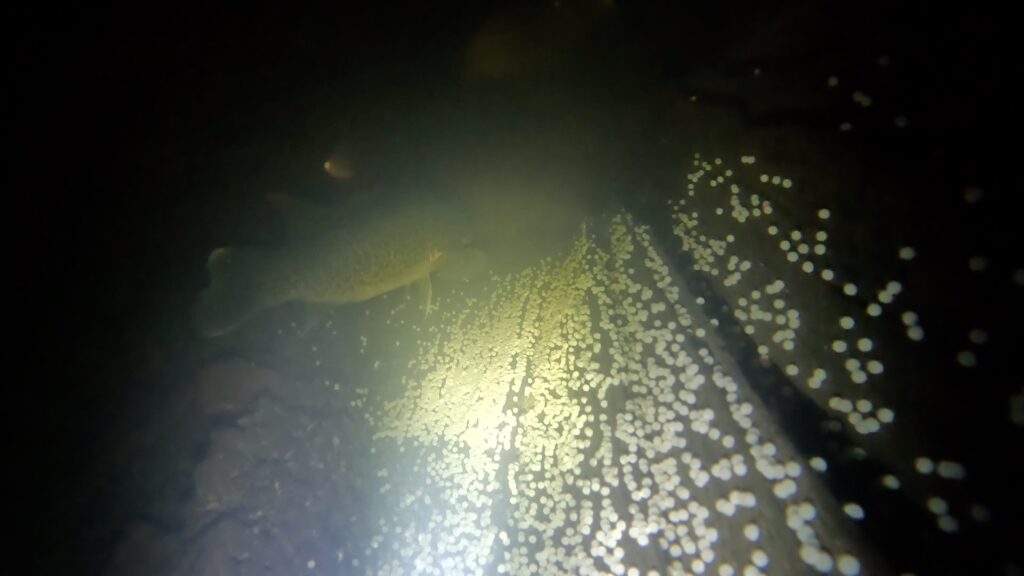
A male Mary River cod using one of the installed logs for his egg clutch. Credit: Luke Carpenter-Bundhoo
But the area has also been heavily impacted in recent years by extreme weather events, including major flooding, droughts, heatwaves and bushfires.
Floods have washed away many of the natural spawning habitats used by many Mary River species, including the endangered Mary River cod. It’s one of Australia’s most endangered freshwater fishes – in the 1980s there were as few as 600 individuals in the wild.
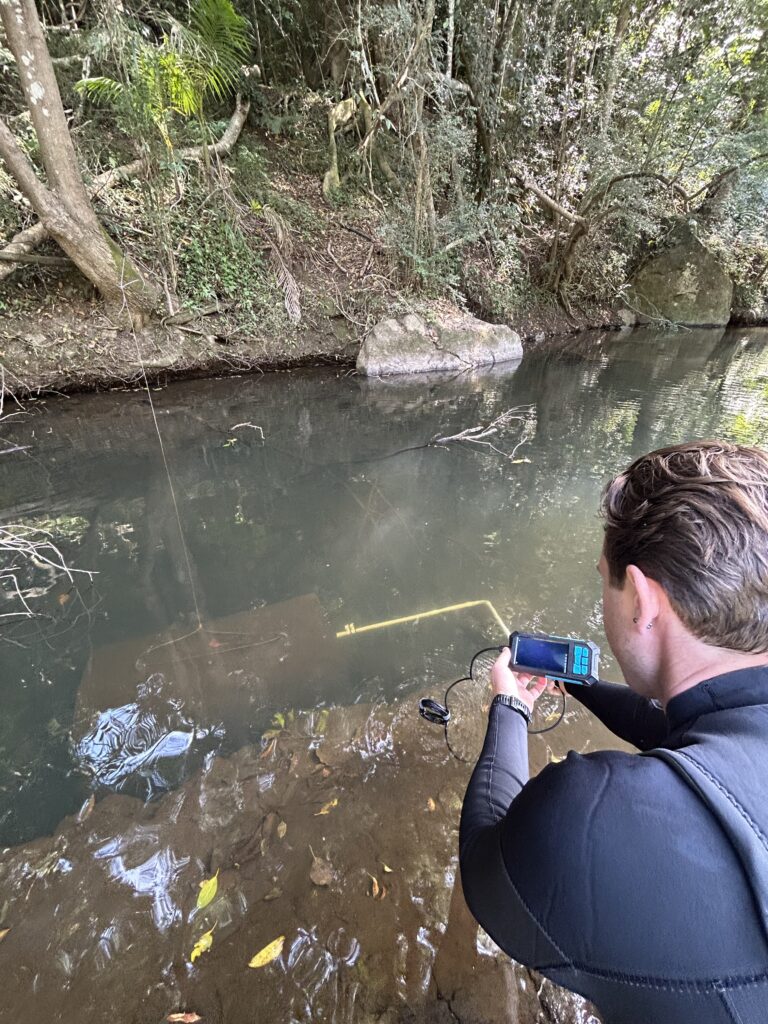
In a new research collaboration – funded in part by the Australian Government through the National Environmental Science Program’s (NESP) Resilient Landscapes Hub and the Commonwealth and Queensland Government Disaster Recovery Funding Arrangements (DRFA) Environmental Recovery Program – Griffith University researcher Dr Luke Carpenter-Bundhoo is trialling the use of ‘cod logs’ (artificial habitats made from natural materials) to add new nesting habitats for the Mary River cod.
While bird and possum boxes are regularly installed in trees and artificial reefs are commonplace in marine conservation, this is the first time artificial nesting structures have been used for wild Mary River cod.
“Mary River cod are currently listed as endangered, and are at particular risk for multiple reasons,” said Dr Carpenter-Bundhoo, a Research Fellow from Griffith’s Australian Rivers Institute.
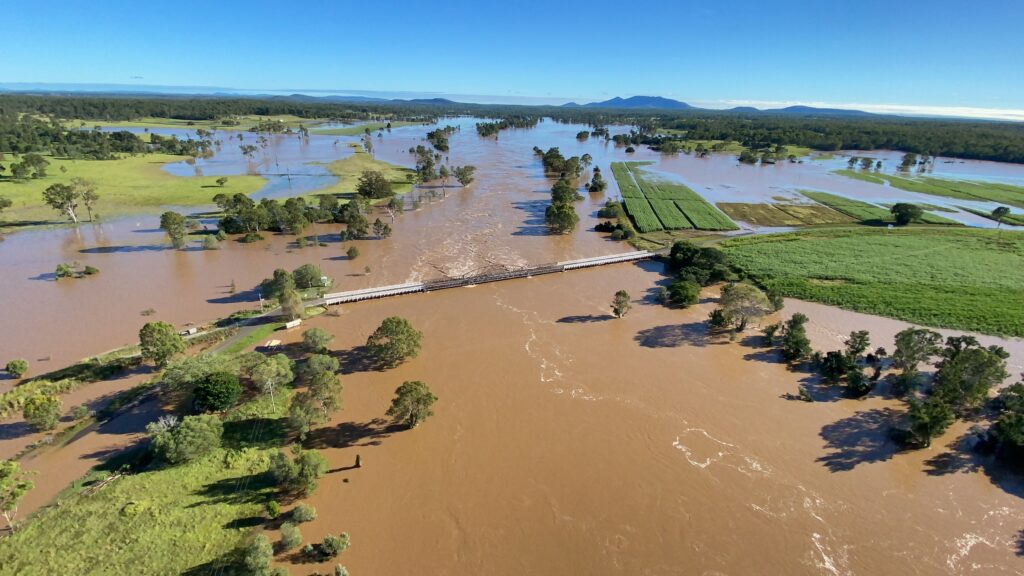
“There has been a long history of degradation to river banks and in-channel habitats for native fish in the Mary River. Recent major flood events in 2022 have exacerbated the problem by washing away trees and submerged logs in the river channel – these provide natural nest structures used by cod for spawning and shelter.
“Another key threat to cod is angling, which is prohibited throughout much of the catchment during the breeding season from August to October. If a cod protecting their nest is caught, it exposes their eggs and larvae to predation by other fish, even if the angler returns the cod to the river. A nest can be lost in the time it takes to take a photo with the fish.”
Dr Luke Carpenter-Bundhoo
Working with the Mary River Catchment Coordinating Committee, Burnett Mary Regional Group and Jinibara traditional owners, Dr Carpenter-Bundhoo and the team recreated 24 artificial logs from local, hollowed-out, natural timber and installed them in key sections of the river in July 2024, in preparation for the breeding season from August.
Dr Luke Carpenter-Bundhoo monitors one of the logs with an endoscope. Credit: Caitlin Jones
The logs have been regularly monitored since and the early results have been very encouraging, with Dr Carpenter-Bundhoo and the team observing large male cod – who bear the brunt of child-rearing for several weeks – using the logs as nesting sites and protecting their brood of thousands of eggs and larvae.
“What has also been incredible about this project is being able to better understand the breeding schedule and behaviour of this species,” he said.
“Until now, all information on the Mary River cod has been obtained from hatcheries; no one has ever seen this in the wild before.
“This study is truly a case of a picture being worth a thousand words. We’re using underwater cameras to record definitive timing of their breeding schedule in the wild, which can ultimately enhance conservation efforts and hopefully improve their conservation status.
“Braving the cold water to deploy and monitor the cod logs was challenging, but seeing the Mary River cod actually nesting in our cod logs made it all worthwhile.”
The NESP Resilient Landscapes Hub hopes the research will inform the cost-effective restoration of freshwater habitats, to bolster the natural reproduction and recruitment of the endangered Mary River cod.
Flooding in the Mary River in previous years has impacted habitats. Credit: Caitlin Jones
This work is part of a larger $550,000 NESP-funded project in Queensland’s Mary River (Moonaboola), where scientists, governments, catchment Natural Resource Management groups, Traditional Owners and landholders are collaborating to support the recovery of threatened species and their critical habitats.
“Sadly, it is another species under threat due to the impacts of climate change and has been hit hard by recent flooding and bushfires.
“With this funding we’re drawing on expertise from scientists to help guide protection of this species using methods such as the introduction of artificial logs.
“We want to better protect our precious threatened species and leave nature better off for generations to come.”
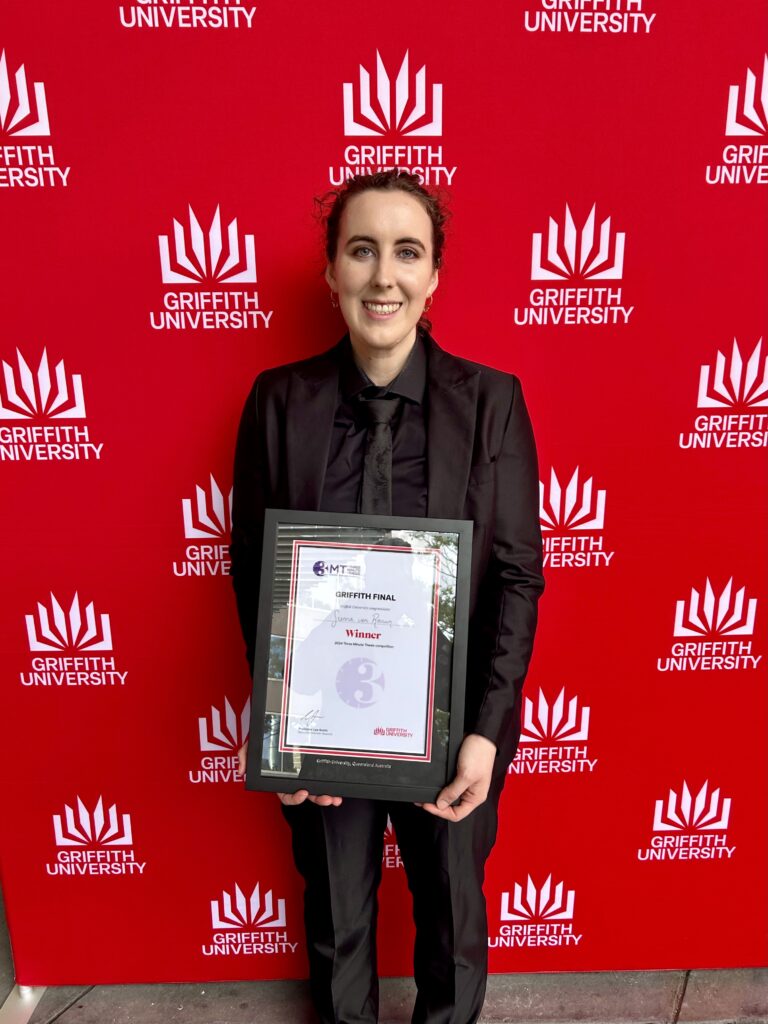
3MT winner Sienna van Rossum (AEL) after her success at the Griffith final in August.
A PhD candidate from Arts, Education law (AEL) specialising in arts research at the Queensland College of Art and Design, she had already become the first Griffith representative to reach the final.
Now, she stands alone as the University’s first overall winner of the event which takes in eight finalists from universities across Australia and the pacific region.
During the online final, Ms van Rossum watched her fellow candidates deliver their presentations with poise and passion, each one showcasing innovative research that was both impressive and inspiring.
“I was definitely humbled,” she reflected.
“The calibre of PhD research happening around the region was great to see.”
As the last speaker of the night, Ms van Rossum felt she was in with a shot.
After weeks of preparing, revising, and perfecting her speech, she had opted not to change anything at the last minute and her pre-recorded presentation wowed the judges.
Her unique perspective on how we should fully absorb what we see, stood out in a sea of scientific presentation – a fact that resonated with the panel.
“They did say it was unusual for an art student to win,” she noted.
“Honestly, I was in shock. I can’t remember much of what the judges said at that moment, but I know it was lovely.”
Her victory was a testament not only to her hard work but also to the diversity of research at Griffith.
Competing against candidates from esteemed institutions such as the University of Sydney, the National University of Singapore, and the University of Auckland, Ms van Rossum had carved her niche.
“It felt wonderful to be in that room with all these fantastic minds,” she said.
“I felt assured of the significance of my creative research.”
Beyond the honor of winning, Ms van Rossum was awarded a $5,000 research grant, which she was already planning to use for a research tour in Europe.
“I would love to see some Vermeer paintings in person,” she said.
“The physical object is very important to my research and seeing them up close would be invaluable.”
Reflecting on her journey, Ms van Rossum emphasised the transformative impact of participating in the 3MT competition.
“It clarified the crux of my research and why I’m doing what I’m doing,” she said.
“Before 3MT, it was a bit wishy-washy, but now it’s crystal clear.
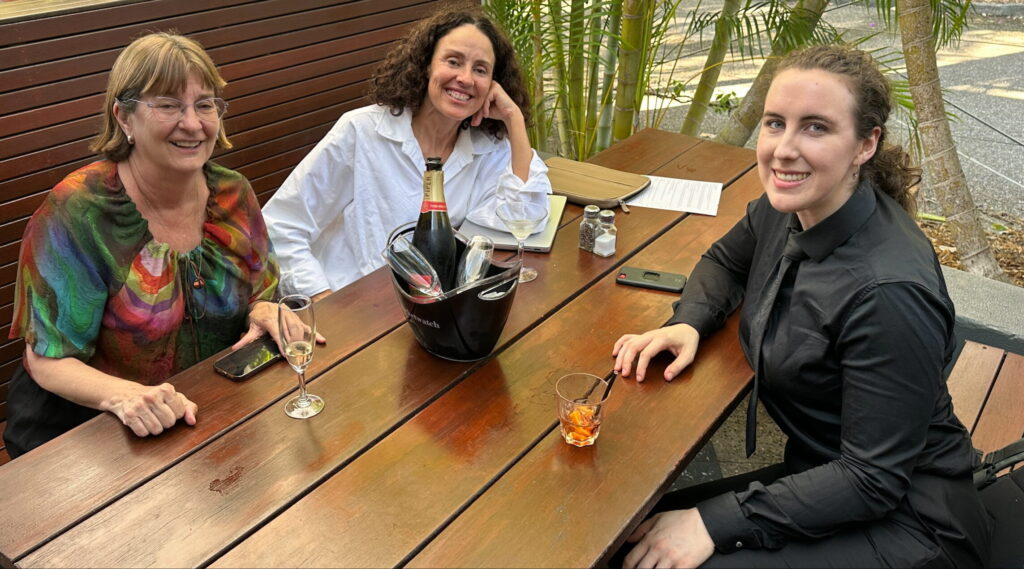
Sienna van Rossum sharing a victory drink with AEL’s Professor Susan Best and Dr Chari Larsson
“I’d encourage any PhD candidate to do it – It’s not easy, but it’s worth it.”
As Sienna continues to work on her dissertation and nearing the finish line of her PhD journey, she remains grateful for the support of her supervisors, Dr Charri Larsson and Dr Natalya Hughes who celebrated her win.
“They were both over the moon,” she smiled, recalling how one of her supervisors watched the live stream from a plane, ecstatic when her victory was announced.”