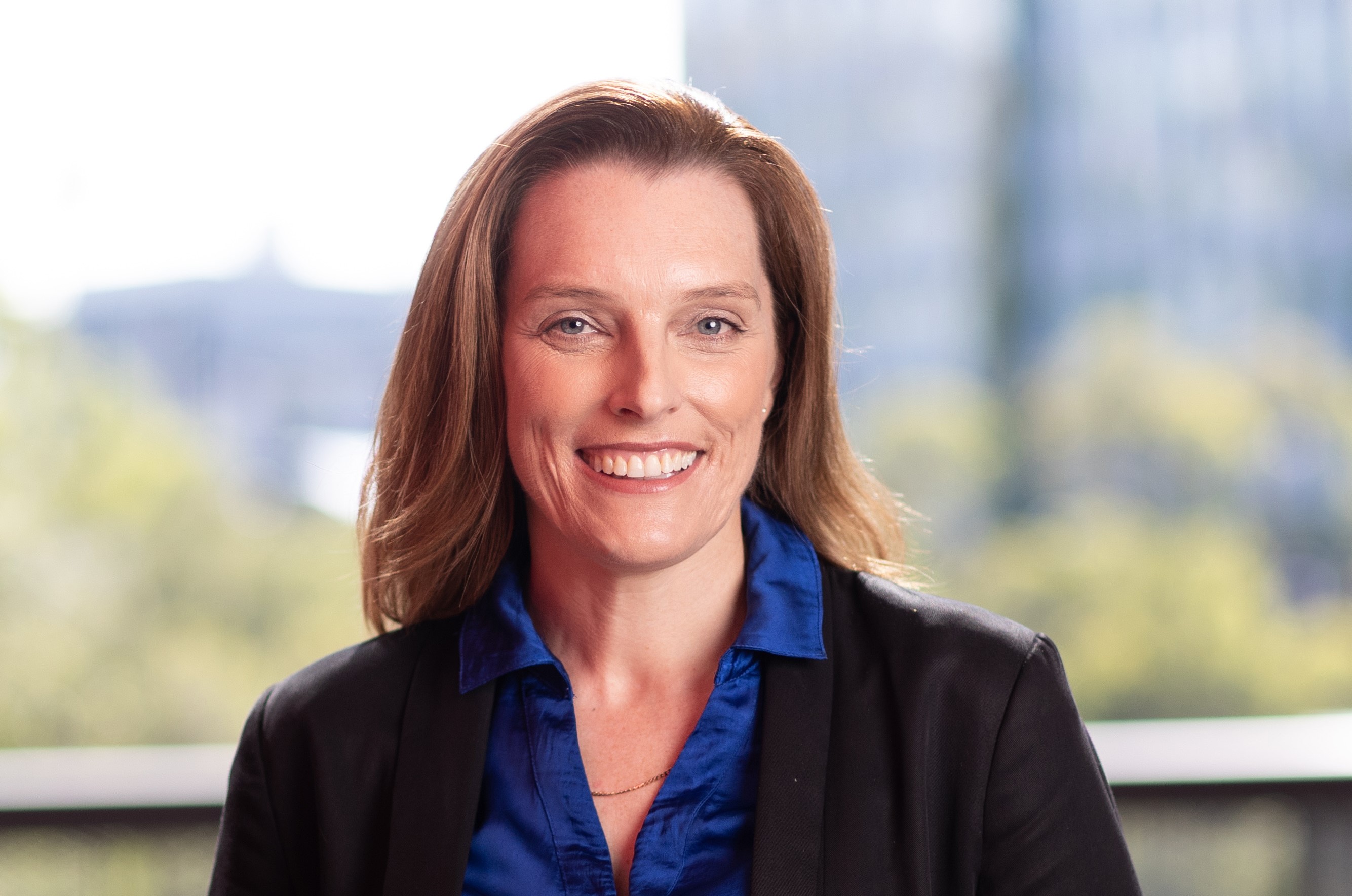
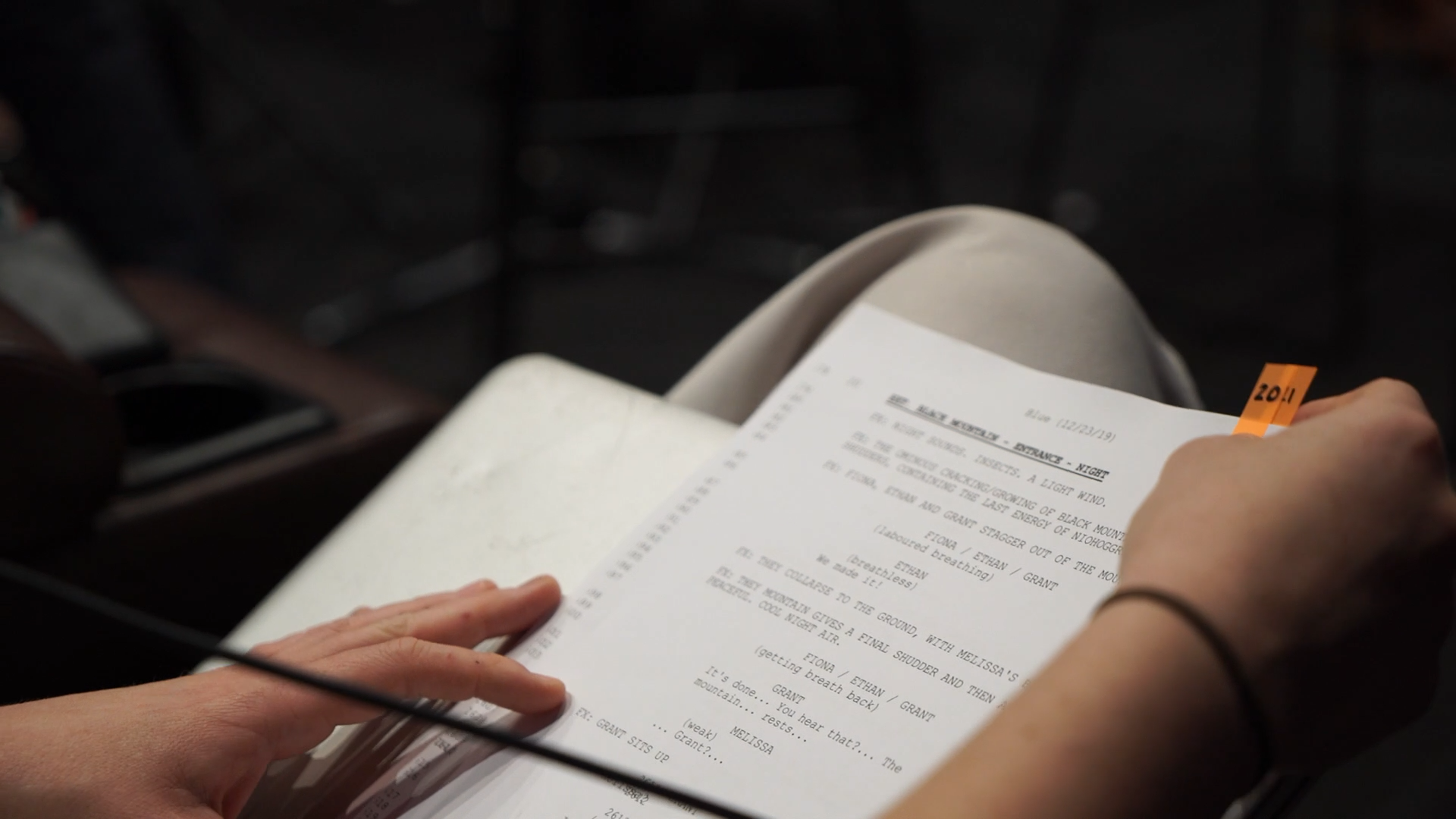
Griffith Film School (GFS) alumni have written, produced and directed a new scripted podcast for Amazon’s popular Audible platform.
Billed as Stranger Things meets All Aussie Adventures, Beyond Strange Lands features an all-star cast which includes Peter Phelps and Sacha Horler.
The podcast was originally designed as a proof of concept for a TV sci-fi adventure series, as part of a Screen Queensland initiative.
A brave new world
The podcast has also allowed the young filmmakers to get their work in front of an audience, despite the current restrictions on filming.
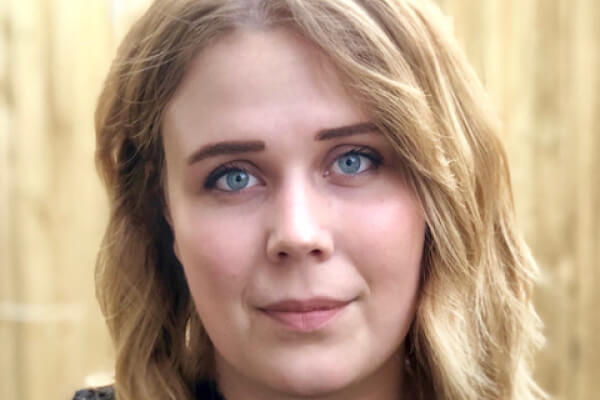
GFS graduate Danielle Redford produced the series, and said it had enabled the team to pivot to a new platform.
“This was originally intended to be a way to build an audience for a TV series or feature, but podcasting is also such a rich storytelling tool,”she said.
“It’s been a beautiful opportunity to try something different, and I think it’s a great model for independent Australian creatives.
“With a short film or feature, you’re competing in a big market, but this is a chance to play at the other end of the scale and get your stories out there.”
A platform for Australian stories
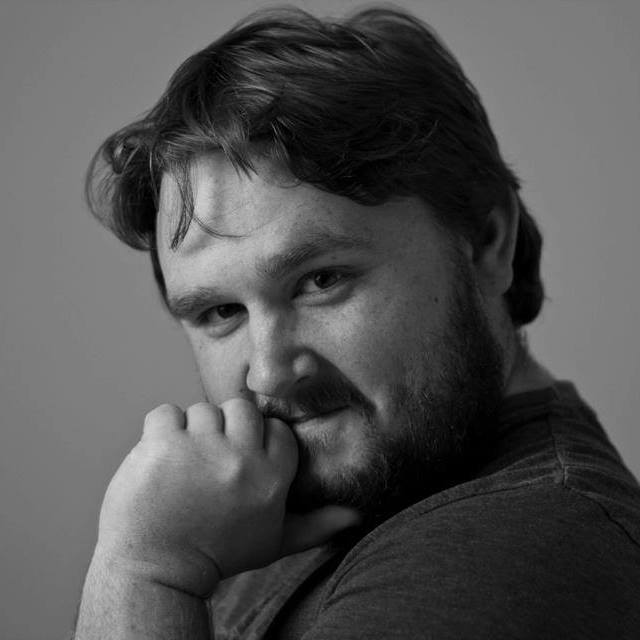
Simon Taylor wrote the script for the series with fellow Masters of Screen Production graduate David Peterson.
Now a sessional lecturer at GFS, Simon has worked in development with renowned local production companies including LUDO Studio, Freshwater Pictures and Like a Photon Creative.
He said it was fantastic to see Audible throw their support behind emerging Australian creatives.
“I think filmmakers need to be able to be agile, and find the best way to tell their story.
“I hope this project inspires our students at GFS to try their hand at scripted podcasts – it is the perfect vehicle for young scriptwriters.”
Simon said his time at Griffith Film School had helped hone his storytelling skills.
“Film school has played a huge role in my life,” he said.
“I met my writing partner David in the Masters program, and I think our time at GFS helped us find our voice.”
A learning curve
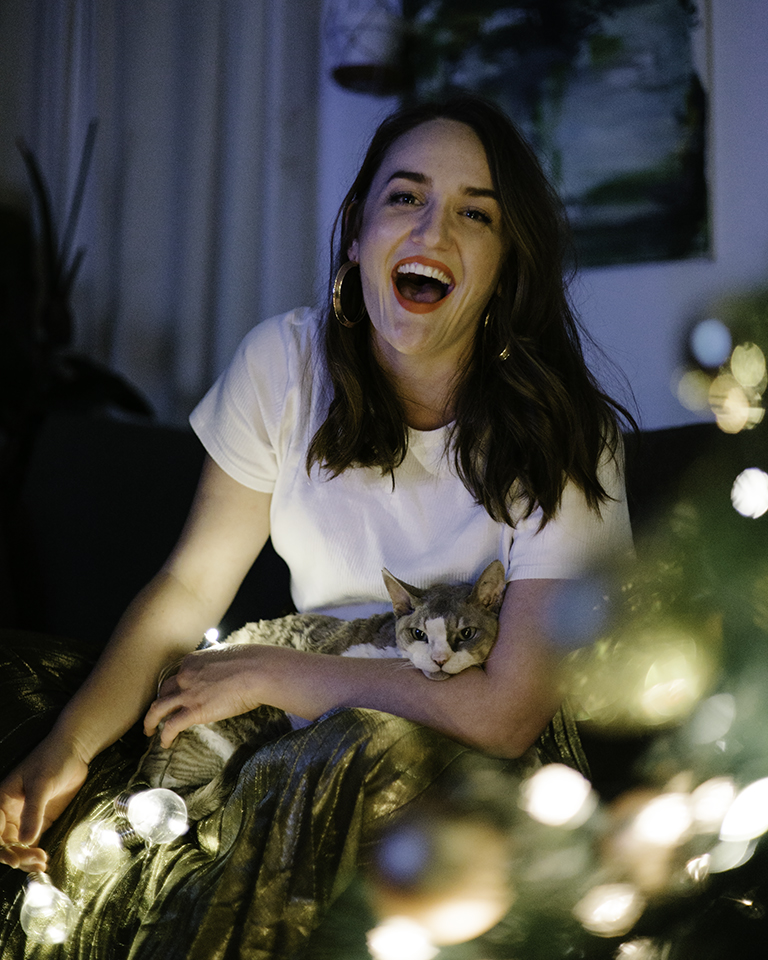
Fellow Griffith Film School graduate Hannah Ariotti took on directing duties for Stranger Lands.
She said directing her first podcast had been a steep learning curve.
“We definitely jumped off the deep end, and we’ve all learned so much,” she said.
“We adopted the mindset that everything we bring to the project as filmmakers is valuable, and what we didn’t know was a great opportunity to try new things.
“It’s such a fertile environment for creatives.”
The sound of success
The podcast was recorded at Emmy Award-winning recording studio Folklore Sound, founded by Queensland Conservatorium Griffith University alumnus Thom Kellar.
“We couldn’t have made this podcast without Folklore – they took the concept and ran with it,” Hannah said.
“We used immersive binaural sound, which gives a 3D experience and really puts the listener at the heart of the action.”
Beyond Strange Lands is free for Audible members and anyone taking up Audible’s free 30-day trial.
Griffith University has launched a new initiative to tackle one of the world’s most pressing problems.
The Griffith Climate Action Beacon will harness expertise from within the University and its partners to work on enduring solutions for climate change.
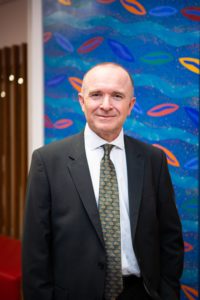
Professor Brendan Mackey, Director of the Griffith Climate Action Beacon
“Climate change is one of the greatest challenges and threats facing humanity and as COVID-19 shows, modern societies are not immune to existential shocks, but when we work together, we can overcome shared problems,’’ said Professor Brendan Mackey, Director of the Griffith Climate Action Beacon.
“The next 10 years is critical and Australia, indeed all countries, face the challenge of rapidly transitioning to a net zero emissions economy and building capacity for a climate resilient society. That’s why we have created Griffith’s Climate Action Beacon.
“What’s really exciting is that Griffith University is taking a step beyond research into practice, to work with communities on practical climate action projects and solutions.”
To guide this practice, Griffith University is working with a number of key partners to establish the Climate Ready Initiative, a social impact initiative that will prepare society for the transition towards a net-zero emissions and climate resilient future.
Under this initiative, Griffith will seek to create climate-ready partnerships with government, business, industry and communities.
Professor Mackey said the new focus on practice was accompanied by strong interdisciplinary research aimed at three key societal outcomes:
Motivating climate action —understanding the barriers and enablers to climate action among individuals and collectively in organisations and communities
Future climate transitions — to enable climate resilient development and net zero carbon emissions economies
Climate justice — ensuring climate actions are fair, equitable and just and contribute to broader sustainable development goals
Vice Chancellor and President Professor Carolyn Evans said the significant long-term investment in the Climate Action Beacon, the first of a number of major initiatives known as ‘Beacons’, was part of the University’s commitment to using research to address critical societal problems and translating research outcomes into real-world solutions.
“It builds upon Griffith’s extensive research, particularly in sustainability and social justice, which are key to effective and just climate action. We will undertake significant, socially relevant research and practice with partners from across and beyond the University to try to ensure that the future is one that brings benefits to as many people as possible.”
Good global governance is essential for any climate change mitigation or adaptation strategies to work long-term but untested ‘techno-fixes’ such as geoengineering are not the solution according to a new paper published in the International Journal of Social Quality.
Dr Tim Cadman from Griffith University and Dr Klaus Radunsky (lead author) of Austrian Standards (ASI)[1] say despite increased decarbonisation strategies, it is not likely the Paris Agreement temperature target of 1.5 degrees will be met unless there is increased action to combat climate change.
“This makes a limited deployment of new technologies for carbon dioxide removal a necessity, they should not undermine sustainable development, poverty eradication and food security, and must be properly governed,’’ Dr Radunsky said.
“The challenge, which we explore in our research is what qualifies as legitimate technology to achieve carbon neutrality.”
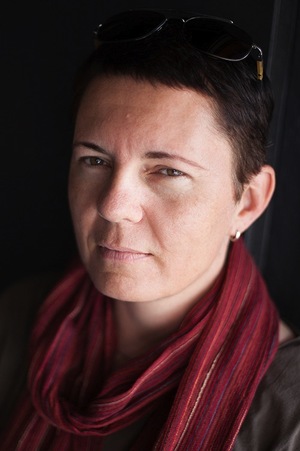
Dr Tim Cadman
Dr Cadman said many governments had previously sought to reduce climate-change inducing concentrations of carbon dioxide in the earth’s atmosphere through mitigation and adaptation activities with limited success, and were now exploring more radical solutions, including geoengineering.
“The challenge posed by these strategies is that their environmental impacts have not been properly determined so what appears to be a ‘solution’ can rapidly become a problem.”
“This is particularly true of burning forests for power, or injecting the atmosphere with sulphur particles to manage solar radiation.”
“By using ‘techno-fixes’ we can become locked into such technologies, and if we subsequently abandon them, it may be too late to combat climate change,’’ Dr Radunsky said.
Dr Klaus Radunsky
“The only true action on climate is mitigating (stopping) emissions and where this is not possible, the reliable, safe and environmentally benign removal of CO2 from the atmosphere.”
The authors conclude that countries, organisations, cities, regions and citizens must speed up ‘decarbonisation’ of their economies and adapt to the unavoidable impacts of climate change.
“Failure to do so, notably between the main emitting countries such as the US and China, will quickly translate into a significant increase of climate change and many more people will suffer than are already affected,’’ Dr Radunsky said.
“In order to conserve human society and biodiversity, an unbiased and knowledge-driven assessment of the risks posed by engineering the climate, as well as robust governance systems, are required.”
[1] Chair of the “mirror committee” at Austrian Standards (ASI) to the International Organization for Standardization’s working group on greenhouse gas monitoring and management (ISO/TC 207/SC 7).
First Australians co-existed with a giant ‘wombat-like’ creature for thousands of years — so why is there so little archaeological evidence for the hunting and use of these large animals?
In new research, a Griffith University archaeologist has resolved a long unanswered question of one of the only artefacts, a tooth from a rhino-sized Diprotodon, that provided evidence for human hunting. Found in 1984, the tooth has a number of cut marks on one side, and was thought to be the first archaeological evidence for Indigenous use of materials collected from megafauna.
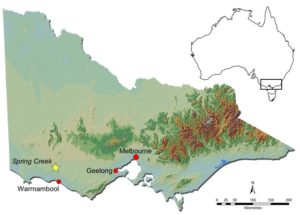
Dr Michelle Langley from Griffith’s Australian Research Centre for Human Evolution and affiliated with Forensics & Archaeology, School of Environment and Science, examined and reanalysed the marks on the incisor (tooth) of the large marsupial herbivore — currently on display in the Bunjilaka Aboriginal Cultural Centre at Melbourne Museum, Victoria.
Cut marks — human-made or not?
This particular Diprotodon optatum specimen was discovered on Eastern Maar Country at Minhamite in regional Victoria in 1984.
Previous interpretations of the distinct cut-like marks made on the Diprotodon tooth were proposed as being made by First Nations people with stone tools, who co-existed with the massive animal for at least 20,000 years before the species died out.
Archaeological evidence for the use of megafaunal materials like skin, bones and teeth remains as elusive, as does evidence for their having been hunted. Among the slim evidence for human-megafaunal interaction available, is the highly cited case of the engraved incisor from the Spring Creek Diprotodon mentioned above.
So, what did make these marks?
Microscopic examination of each mark alongside zooarchaeological and ecological data found that the incisions were not made by human hands but instead by a small 2-5kg mammal, most likely a quoll.
“For quite a while people have felt that the marks weren’t consistent with being made by a stone tool as originally proposed, but no one had spent the time to take another look and conclusively rule out stone tools and work out what it could instead be,” Dr Langley said.
“So, it’s nice to finally have concrete answers and be able to close the door on this case.”
Dr Langley worked alongside Vertebrate Palaeontology Collection Manager Tim Ziegler from Museums Victoria to analyse the tooth. She used a high precision stereomicroscope to examine and measure marks across the entire surface of the Diprotodon tooth, which were found to have a wavy, undulating trajectory. Such marks are inconsistent with those left by stone tools.
Dr Langley then compared the marks with those that could have been left by a number of native species known for scavenging and gnawing, such as quolls and Tasmanian devils, and those on remains known to be used by Aboriginal people for tools, such as kangaroos and possums.
By overlaying the cutting pattern of each set of teeth against photographs of the Diprotodon tooth and assessing how many of the incisions could be accounted for by the least number of successive bites, it was determined that almost all of the 29 incisions could be accounted for by the upper jaw of the spotted-tailed quoll in just three successive bites.
“It was challenging trying to work out which animal might have made the marks – but once all the different lines of evidence came together it made perfect sense,” Dr Langley said.
“The spotted-tailed quoll is known as a scavenger and opportunist who will have a go at anything once, and they have a great bite force, so were one of the only small mammals that could possibly have left marks on a tooth.”
Search for evidence continues
Dr Langley’s archaeological research has focused primarily on human cognitive evolution, childhood in prehistory, and ancient Australia.
This particular study reflects her interest the use of bone tools in the deep past, but she believes that in finally determining that the marks on the Diprotodon tooth were not made by human hands has raised more questions around the lack of evidence for human-megafauna interaction in Australia.
At the time of the oldest physical evidence of humans living in Sahul (Ice Age Australia-New Guinea) some 80,000-65,000 years ago, representatives of 8 of the 14 megafaunal taxa roamed the continent. By around 40,000 years ago, all these animals disappeared and the reason for their demise remains debated.
“I do find it really surprising that we haven’t yet found evidence for people at least using the bones and teeth of megafauna in Australia — they appear to be good resources for making tools,” Dr Langley said.
“I have a feeling that it has more to do with the sample size that is currently available to researchers for study and that it is only a matter of time before we find something.
“While it is certainly possible that some peoples decided not to hunt or use materials from Diprotodon for cultural reasons, it would be really interesting if all peoples who had these creatures on their countries didn’t, and it would be great to get the thoughts of Traditional Owners from across the continent regarding that idea.
“Currently, we think Diprotodon died out around 44,000 years ago. We can only guess at their behaviour, but they were about the size of a white rhino, were herbivores, and seasonally migrated – and they certainly could have been dangerous to hunt owing to their size.”
The research ‘Re-analysis of the ‘Engraved’ Diprotodon Tooth from Spring Creek, Victoria, Australia’ has been published in Archaeology in Oceana.
Griffith University researchers are looking for people to take part in a study to improve the rehabilitation outcomes of those with chronic health conditions.
“In chronic health conditions, rehabilitation can involve a long, multistage journey through fragmented pathways and supported by a range of healthcare professions,’’ said Associate Professor Katrina Campbell from the School of Medicine.
“These means measuring the outcomes of treatment can be inconsistent across settings and impact upon value-based payment models such as the National Disability Insurance Scheme.
“In our study we want to capture patient-relevant data that informs and advances value-based care across care settings and through a range of healthcare professionals providing that care.”
The researchers are looking for adults 18 years of age or over who have completed at least one course of rehabilitation in the following subacute or specialist rehabilitation settings, during the past 12 months:
Subacute: Stroke; major trauma/burns; amputation; geriatrics.
Post-acute: Deconditioning post-acute illness; community-based programs for chronic lung and cardiac disease (cardiac rehabilitation and heart failure rehabilitation), pain, and chronic musculoskeletal conditions.
Participants will be asked to take part in an interview over the phone about their experiences of rehabilitation that will take about 30 to 45 minutes to complete.
“The results of the study will inform improvements in health care services to be more patient-centred in the way treatment outcomes are reported and used,’’ Associate Professor Campbell said.
With the spread of COVID-19 many people are gradually becoming used to video technologies to keep in touch with family and friends.
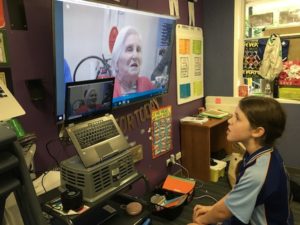
So too is a group of elders in a New South Wales aged-care home who participated in an intergenerational learning program using video conferencing with primary school students.
Designed by Griffith University alumnus Greg Cronan, the weekly program involves 30 students in Year 6 engaging in video calls with elders for reciprocal learning activities based on the school curriculum.
As residential aged-care homes are now in lockdown to minimise health risks to residents, Mr Cronan said social isolation from family, friends and the community along with boredom and lack of meaningful mental stimulation was a major problem.
“Programs such as these can help alleviate some of the negative effects of social isolation, boredom and loneliness,’’ he said.
The program began as intergenerational research project, supervised by Professor Anneke Fitzgerald from Griffith Business School. Its purpose was to explore whether reciprocal learning could be achieved between school students in a classroom and elders in an aged-care home using video conferencing, in contrast to co-located activities where both age groups are physically in the same room.
“As a result of these interactions students have developed more self-confidence, are more attentive in class, learning outcomes have increased in addition to improved ‘real-time’ conversational and enquiry skills,’’ Mr Cronan said.
“This has been complemented by an increase in student attendance rates. The students have also developed a deeper sense of empathy, gratitude and respect of elders. They have also gained a richer understanding of history by speaking with primary sources — the elders – about school subjects, rather than searching the internet for information.
“Many have developed better relationships with their own grandparents and family. Their vocabulary has increased as has their ability to ask open-ended questions. Students with behaviour and intellectual difficulties have also excelled.”
Positive feedback
Mr Cronan, who completed a Bachelor of Business (Honours) investigating intergenerational learning in an online environment, said feedback from the aged-care facility, healthcare staff and management was overwhelmingly positive.
“We’ve been told that the residents love seeing and speaking with the students. According to observations by the facility manager, these interactions have become a ‘calming intervention’ for elders who have high levels of anxiety, depression and were self-isolating in their rooms long before coronavirus.
Professor Fitzgerald said the current program run by Greg was fantastic.
“We are proud to be part of it and hope to see similar results with younger children (age 3-5) connecting with elders in a community setting during this health crisis” as the use of technology to connect older people with children is rolling out in different contexts,’’ she said.
“Now more than ever we need to nurture our connections with others and develop best intergenerational practice for programs such as these as one solution to loneliness and isolation.
“In addition to family and friends, video conferencing enables other community and religious groups plus elders from other aged care homes and in the community to maintain face-to-face contact with each other.”
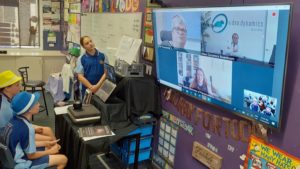
The video-conferencing system is connected to a large TV screen so a group of elders or one elder can chat to the students in their classroom, members of their family and the community.
“This is important and practical as some residents do not have the physical or cognitive ability to use a mobile phone, tablet, iPad or laptop.”
Apart from the socialising and mental health benefits of interactions between residents and school students, the technology can also be used for video-based telehealth applications.
Medicare-funded telehealth services are available to residents of aged-care homes from GP clinics, hospitals and other healthcare practitioners. Allied health services including psychology, diversional therapy and physiotherapy can also be provided by video conferencing.
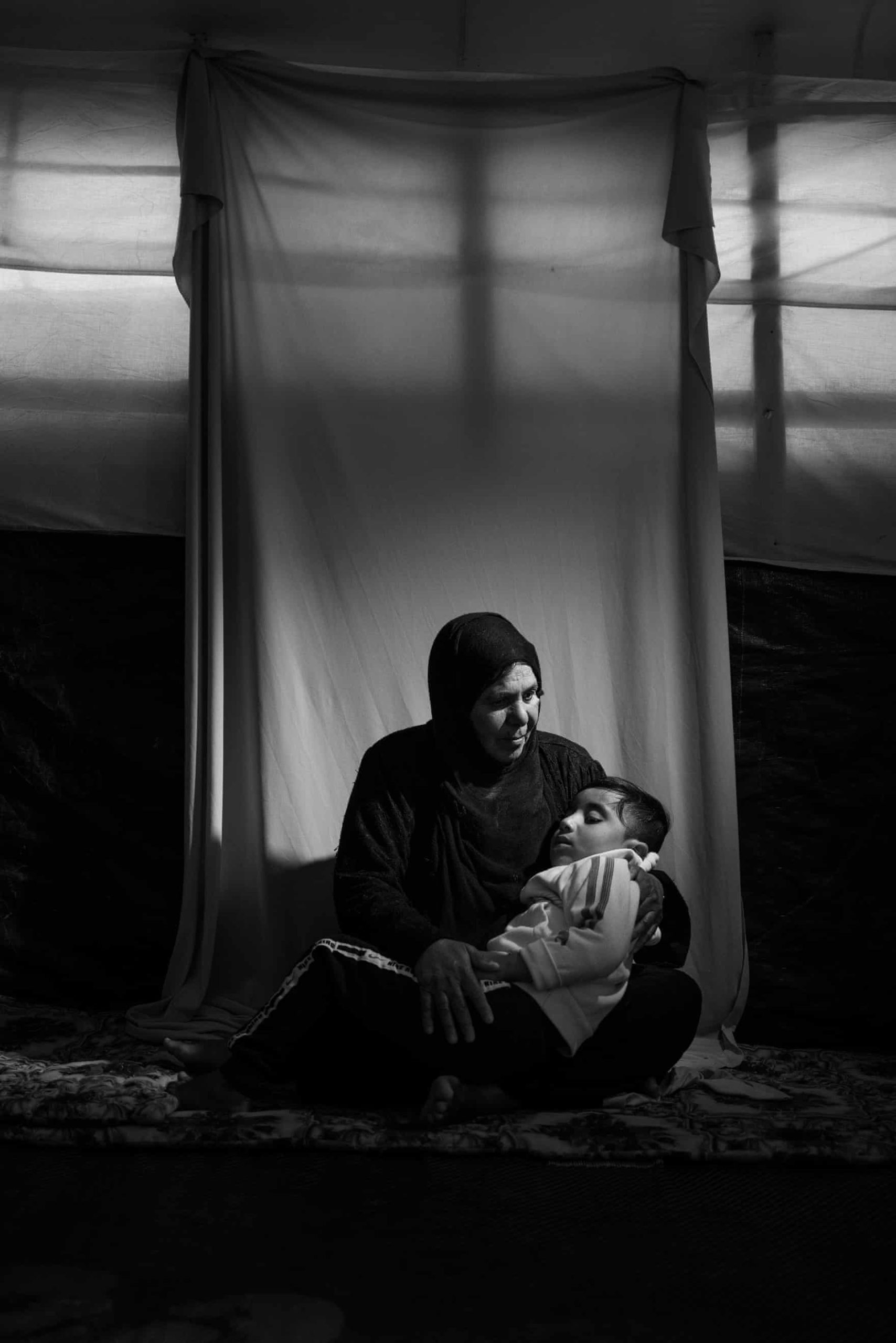
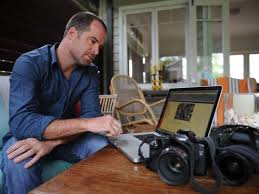
Queensland College of Art alumnus Adam Ferguson has snapped up one of the world’s most prestigious photography prizes for his striking portraits of Yazidi refugees.
Photograph: Adam Ferguson/The New York Times
Adam took out the Portraits/ Stories category of the World Press Photo (WPP) 2020 awards for a series of images commissioned by The New York Times Magazine.
The winners were chosen by an independent jury that reviewed more than 73,000 photographs from 4,282 photographers across 125 countries.
“The WPP is an excellent platform to further the life of the story,” Adam said.
“Having the work recognized by the WPP will mean it is seen by so many more people – and the subjects in my photographs really deserve this.”
Photograph: Adam Ferguson/The New York Times
‘The Haunting’ captures displaced minority groups from Northern Iraq who were liberated from Islamic State rule.
“It was my intention to create a set of portraits that convey the immense emotional toll of the war in Iraq,” he said.
“Most of the families were extremely open and welcoming. The Yazidi population in particular had suffered some of the most severe persecution and I believe they wanted to share their stories, they wanted to be heard.
“I consider it a responsibility to give my subjects a sense of dignity in the photographs.
“It has been a focus of my career since QCA to tell stories about the powerless.”
“The civilians in war zones often bear the cost of larger geopolitical decisions and we can’t ignore that.”
Adam first gained recognition for his work in 2009 when he embarked on a series documenting the US-led war in Afghanistan. This work received awards from World Press Photo, Pictures of the Year International and Photo District News.
Since that time he has worked in most of the world’s hotspots, from flashpoints in the Middle East, to civil war zones in Africa and off the beaten track in Australia. His work has been published in the world’s top mastheads, including The New York Times, Time magazine, National Geographic and Vanity Fair..
Adam grew up in Coffs Harbour, and chose to embark on a Bachelor of Photography at the QCA after a chance meeting with a photography alumnus.
“I was looking for something to get me away and for some reason I connected with the idea of being a photographer,” he said.
“At QCA I discovered photojournalism and I knew I had found my calling.”
Queensland College of Art Photography convenor Dr Heather Faulkner said the success of photography graduates on the world stage reflected the calibre of teaching at the QCA.
“Our Bachelor of Photography prepares students for critical problem solving and life-long learning,” she said.
“We are delighted to see our remarkable alumni taking their place on the world stage.”
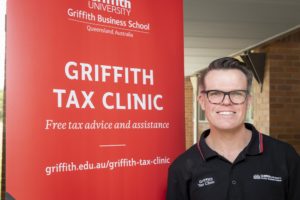
Griffith Business School has secured a $100,000 Federal Government grant to support a second year of its successful tax clinic.
Griffith Tax Clinic is in its third trimester of operation and has seen 31 student tax advisers receive more than 260 applications for tax assistance from individuals and small businesses. The clinic has also held 16 free public seminars with about 180 attendees.
“This funding provides Griffith the opportunity to build on the success of the Griffith Tax Clinic,” Professor Freudenberg said.
“It is particularly great for the community we assist who are otherwise scared or not sure how to do their tax.”
Student tax advisers provide free advice to anyone without a registered tax agent, completing tax returns and answering tax queries under the supervision of experienced tax practitioners.
“Griffith Tax Clinic has become a valuable tool for teaching our students,” Professor Grant said.
“Our aspiring tax practitioners are learning first-hand the skills required to process tax returns and experiencing situations that may not otherwise arise in a classroom or textbook scenario.
“They are also learning the importance of giving back to the community, which is at the core of Griffith’s values.”
Professor Freudenberg said the clinic was popular and a beneficial experience for both students and the community.
“Student tax advisers get to develop important skills, such as communication and presentation skills, which are so critical for their future careers,” he said.
“For the community, it provides the ability to seek free tax assistance, which is especially important for those who may be recent immigrants or new to the workforce and are not sure how to navigate Australia’s tax system.”
The clinic was previously held at Griffith’s Logan campus, but has since moved online due to COVID-19, with client interviews to be conducted through Teams Meetings.
Together, the teams of researchers have engineered a unique protein, called SubB2M, that binds specifically to a sugar molecule only present in cancer cells — a potential game-changer for detecting cancer.
Sienna Cancer Diagnostics Ltd (ASX:SDX), a medical technology company developing and commercialising innovative cancer-related tests, has signed the exclusive worldwide license agreement to develop and commercialise the unique cancer probe, SubB2M, which is complementary to other recent Sienna technology initiatives, includingSIEN-NETâ„¢.
SubB2M binds to a sugar molecule only present in human cancers and can detect its presence in the serum of cancer patients.
ProfessorMichael Jennings, NHMRC Principal Research Fellow and the Deputy Director at Griffith University’s Institute for Glycomics said, “As a co-inventor of SubB2M I am very excited that SubB2M is going to be developed for use as a screening and diagnostic tool by Sienna Cancer Diagnostics Ltd, an Australian company with a track record in developing and commercialising cancer diagnostic tests.
“My laboratory will work closely with Sienna to ensure that the SubB2M cancer tests are developed in a timely way to ensure optimal accuracy and efficacy on a high throughput platform.”
In pilot clinical studies using surface plasmon resonance, SubB2M has detected cancers with 100% sensitivity and specificity for mid to late-stage cancers, and >95% specificity and 100% sensitivity for early-stage cancers. There is also evidence that the cancer-specific sugar is present in a wide range of solid human tumours and can be detected in serum using SubB2M.
Sienna CEO Carl Stubbings said they believed the technology could radically improve how cancer is detected and diagnosed.
“It is recognised that the sugar molecule that SubB2M binds to is only present in people with cancer, having been engineered for this sole purpose in the Adelaide and Griffith universities’ laboratories. The SubB2M protein is compatible with a wide range of cancer detection chemistries and assays, including with our SIEN-NETs to enhance circulating tumour cell binding and detection with no interference from non-cancer cells.
“In our opinion, SubB2M is superior to any other pan-cancer biomarker on the market. Furthermore, it has a broad range of applications beyond laboratory assays. It could also be used inin vivoimaging modalities, such as PET.”
The first stage of the research will focus on developing a high throughput ELISA-based assay liquid biopsy assay for cancer screening and monitoring suitable for use in hospital pathology laboratories. It is expected this will take 12-18 months to complete.
In parallel, Sienna will actively develop SubB2M for other applications, including a novel circulating tumour cell capture assay and a novel reagent for PET imaging in conjunction with industry partners.
The technology grew from research started more than 10 years ago by Adelaide researchers Professor Adrienne Paton and Professor James Paton who said: “We look forward to working with Sienna and our colleagues at Griffith’s Institute for Glycomics to translate our research into improved outcomes for cancer patients. This is an outstanding example of transformational benefits to human health emanating from basic research in the university environment.”
ProfessorMark von ItzsteinAO, Director and Principal Research Leader of Griffith’s Institute for Glycomics added, “From the laboratory bench to the patient’s bedside; translational outcomes are the ultimate goal of the Institute for Glycomics. This is another wonderful example of how the Institute engages with industry to take our discoveries to market and translate research into tangible benefits for the global community.”
Restoring confidence in the cruise tourism industry, hit hard by COVID-19 outbreaks and a downturn in public perception, will be challenging according to a Griffith University expert.
Dr Sarah Gardiner is the Deputy Director of the Griffith Institute for Tourism and is a published researcher on travel consumer behaviour, experience design and innovation.
Deputy Director of the Griffith Institute for TourismDr Sarah Gardiner said consumers will want to see evidence of change after the fallout of several high-profile incidents involving cruise ships.
“Health and safety procedures onboard ships will be front of mind for consumers, particularly the ability of crews to respond to and manage any future health crisis,’’ she said.
“Give people peace of mind that they will be looked after no matter where they are in the world. Consumers will want to see changes and communicating those changes will be vital.”
Social distancing has forced Australians indoors but Dr Gardiner expects an uptick in travel demand on par with the post-World War II travel boom once restrictions and travel bans are eased.
“Rebuilding the cruise industry is strategically important to rebuilding the tourism industry.”
“How quickly the tourism industry will recover is difficult to determine. Simple discounting will not be enough to restore consumer confidence.
“But rebuilding the cruise industry is strategically important to rebuilding the tourism industry. It is an important part of Australia’s tourism industry particularly for regional and remote destinations.”
According to the 2017-18 Australian Cruise Industry Economic Impact Assessment the industry generates $4.8 billion dollars for the Australian economy.
The Cruise Lines International Association also estimates 1 in 17 Australians took a cruise in 2018, representing 5.8% of the population.
Post-pandemic travellers will have different expectations
Dr Gardiner said the insurance industry will also need to play its part by improving the insurance cover travellers receive when they get sick abroad.
“Post-pandemic travellers will also expect some flexibility with their bookings, such as getting a refund should circumstances change or if you simply change your mind.”
She said travelling on cruise ships is unlike any other form of travel on the market and cruise operators will need to work with destination partners to rebuild the public’s trust.
“Once those health and safety processes are in place, sophisticated and sensitive marketing campaigns will be needed to remind consumers why they love this mode of tourism and that it is safe to voyage again.”

 Griffith Film School (GFS) alumni have written, produced and directed a new scripted podcast for Amazon’s popular Audible platform.
 GFS graduate Danielle Redford produced the series, and said it had enabled the team to pivot to a new platform.
 Simon Taylor wrote the script for the series with fellow Masters of Screen Production graduate David Peterson.
 Fellow Griffith Film School graduate Hannah Ariotti took on directing duties for Stranger Lands.
 The podcast was recorded at Emmy Award-winning recording studio Folklore Sound, founded by Queensland Conservatorium Griffith University alumnus Thom Kellar.


 “We’ve been told that the residents love seeing and speaking with the students. According to observations by the facility manager, these interactions have become a ‘calming intervention’ for elders who have high levels of anxiety, depression and were self-isolating in their rooms long before coronavirus.
 “This is important and practical as some residents do not have the physical or cognitive ability to use a mobile phone, tablet, iPad or laptop.”