The Queensland Clarion Awards are prestigious state-based awards promoting excellence in the media. The winners of the 2020 Queensland Clarion Awards were announced on Saturday September 19 at a cocktail event where Stefan Armbruster took out the award for multicultural reporting. Best known as Queensland and Pacific correspondent for SBS News, Stefan recently joined the Griffith Asia Institute (GAI) as an Industry Fellow and member of the Pacific Hub.
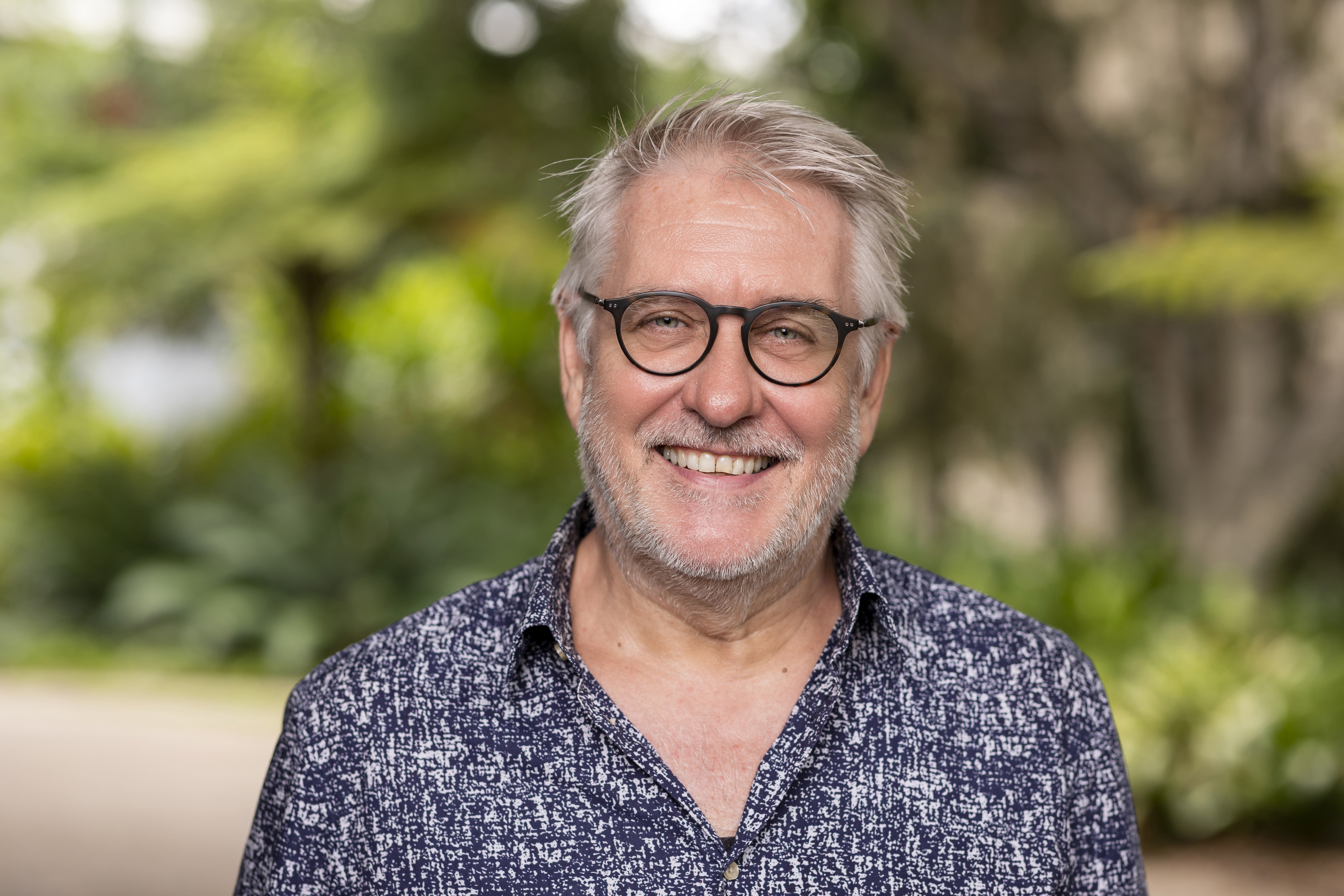
2020 Queensland Clarion Award winners, Stefan Armbruster (SBS News) received the award for multicultural reporting, Amy McQuire (independent journalist) received the award for Indigenous reporting and Douglas Smith (NITV) received the award for best regional and community broadcast. (Photo supplied)
Stefan’s Pacific work has taken him to Papua New Guinea, Solomon Islands, Vanuatu and elsewhere in the region. But for this award-winning collection, he turned his gaze closer to home to shine a light on the experiences and stories of Pacific people who live here in Queensland. From an extensive portfolio, he selected three items that told his audiences of things they might otherwise never have heard.
The award-winning stories covered the destruction of historic rock walls built by the South Sea Islander community of the Tweed valley, the PNG inspiration for the Pippi Longstocking books written by Swedish author Astrid Lindgren and the case of Troyrone Lee, a Papua New Guinean born Australian who is fighting a legal battle with Home Affairs to keep his Australian citizenship. Stefan told us:
“It’s wonderful to receive this award recognising how powerful stories from the Pacific diaspora are and it’s a great credit to SBS News, which has for so long backed coverage of the region and the migrant communities of our closest neighbours.”
And when it comes to being associated with GAI, he added: “It’s also great to have the support of GAI’s Pacific Hub as their industry fellow which allows me to engage with these issues on an in-depth level.”
The judges’ comments on Stefan’s entry reveal the value that his work brings, stating that, “The destruction of stone walls to make way for a hospital car park in Cudgen, NSW, could have been unremarkable. Stefan Armbruster’s report brought home just how important the walls were to the descendants of the South Sea Islander labourers who built them. It was a moving story, highlighting the little-known history of possibly Australia’s worst-treated migrant group.
“Stefan’s diverse stories from multicultural communities were of deep significance to the people involved.”
Stefan’s work at SBS makes him the perfect fit for GAI’s Pacific Hub as an industry fellow. Director of the Institute, Professor Caitlin Byrne said that as an industry fellow of the Griffith Asia Institute and member of the Pacific Hub, Stefan’s expertise provides invaluable support to our research agenda. We place a high value on the work that he and SBS do to raise Pacific literacy in Australia and we are very proud and pleased to see Stefan receive this acknowledgement.”
“Stefan’s reporting provides a bridge between the Pacific and Australia, and within Australia he amplifies the voices of Pacific people who live here.”
Stefan was also a finalist in the ‘Best TV News Report’ category for his coverage of the Bougainville independence referendum in November 2019.
Scientists have identified tracks left on an ancient freshwater lake in the Arabian Peninsula as the earliest trace of human arrival in the area from about 120,000 years ago.
Griffith University researchers were part of an international study that discovered the footprints in the south-western part of the Nefud Desert left by humans using the area as a place to drink and to forage.
Site of the discovered the footprints in the south-western part of the Nefud Desert, Saudi Arabia
Published in Science Advances, the study was led by Dr Mathew Stewart from the Max Planck Institute for Chemical Ecology, while Dr Mathieu Duval and Associate Professor Julien Louys from Griffith University’s Australian Research Centre for Human Evolution (ARCHE) helped discover and identify the footprints and dated fossils found with the prints.
“In human migration out of Africa there is evidence of early humans older than 100,000 years in the Near East (Israel) and in Asia, but until now we have had no evidence of what happened in Arabia; the area in between,” Dr Duval said.
“So this discovery in the region dated to within the last interglacial period fills a significant knowledge gap in our understanding of the origin and dispersal of our species.
“The sediment the footprints were found in was dated to 120,000 years using a method called Optically Stimulated Luminescence (OSL), which determines how long ago the quartz grains were last exposed to sunlight. This makes these footprints the oldest evidence of human presence in Arabia.”
Researchers finding traces laid by humans and animals 120,000 years ago and recording their positions in 3D. photo credit: Klint Janulis
But human footprints were only a small fraction of what was discovered at the site. The researchers recorded a total of 376 footprints, half of which they could attributed to a particular species.
“Of those, elephants and camels were the most abundant, yet there was also buffalo and horses in the area at that time,” Associate Professor Louys said.
“It was only the presence of freshwater lakes in the region that made the area so habitable for such a diverse community of elephants, camels, oryx, horses, buffaloes and humans.
“The footprints of two to three people travelling together were actually following the tracks of these other animals, showing a similar use of these well-watered semi-arid grassland areas.
“These footprints provide an unprecedented snapshot of the environmental conditions that existed 120,000 years ago; an environment that was very different to that found in the region today.”
Griffith University’s Institute for Glycomics is joining forces with the Sanctuary Cove precinct this October in a community partnership to raise funds to support vital breast cancer research.
“Our unique research approach centred around glycomics makes us the only institute of its kind in Australia and one of only a handful in the world,’’ said Director Professor Mark von Itzstein AO.
“With the brightest scientific talent in the field of cancer glycomics, the A2CG is an exciting hub of truly revolutionary cancer research.”
The Sanctuary Cove precinct will present a series of events throughout Breast Cancer Awareness Month to raise awareness and funds for the devastating disease, which impacts more than two million women every year globally.
Sanctuary Cove Golf and Country Club Executive General Manager Paul Sanders said the fundraising events were an “opportunity for the local community to band together and support a cause quite literally close to our chests”.
“Sanctuary Cove is open for business and we’re operating under COVID-Safe plans, so these events are a great opportunity to connect as a community while supporting vital breast cancer research and at the same time commemorate those who have lost their battle with the disease.
“The Institute for Glycomics comprises over 200 multidisciplinary researchers and support staff who work tirelessly every day to find new ways to diagnose, prevent and cure cancer. We’re really pleased to be able to come together through a unique, local partnership to support this research happening right here on our doorstep.”
The pink-themed, month-long calendar of events at Sanctuary Cove offers a multitude of things to do for every age. Major fundraisers include a Splash of Pink — Fashion and High Coffee Event, group fitness challenges, Sanctuary Cove’s Biggest Morning Tee, a golf clinic, tournaments and more.
Aboriginal and Torres Strait Islander student Bianca Crisp hopes her Aurora Study Symposium scholarship will help her gain entry to one of the world’s elite universities after she graduates from Griffith University with a Bachelor of Health Science.
“I aim to become an expert in my field and to give back to Australia’s Aboriginal Peoples by being a leader and role model to others,” Bianca said.
This opportunity could open doors to the likes of The University of Oxford.
“My passion for making a difference in the world, intrigue for learning and research, as well as aspirations to contribute to the scientific community has seen me develop the goal of pursuing a postgraduate degree before I begin studying medicine.
“The Aurora Indigenous Scholars International Study Tour is such an incredible opportunity, and I am so grateful to have been awarded this scholarship.”
Bianca says her family became disconnected from their Indigenous roots as a result of the Stolen Generation, and through her journey of reconnecting to her descendants and culture, she decided she wanted to help improve health disparity rates experienced by Aboriginal and Torres Strait Islander people.
“Experiencing first-hand the intergenerational effects of Australia’s past highlighted to me the need to make a difference, especially in the health field.”
“This has seen me develop the aspiration to assist Australia’s Indigenous community by contributing towards improving current health inequalities as a medical practitioner, and I aspire to work as a physician within remote Aboriginal communities in the future,” Bianca said.
Bianca hopes to combat these inequities by completing further research and believes an Aurora Indigenous Scholars International Study Tour (AISIST) may provide her with a platform to study internationally.
Nine years ago, there had never been and Aboriginal and/or Torres Strait Islander who had studied at Oxford or Cambridge.
Today, 44 have been accepted to these universities, and AISIST strengthens aspirations and demonstrates possibilities to Aboriginal and Torres Strait Islander students.
AISIST is usually a five-week academic tour of leading universities in the US and the UK – including Berkeley, Stanford, Harvard, Columbia, New York University, Cambridge and Oxford — but will this year be held as an online symposium due to COVID-19 travel restrictions.
Bianca not only hopes to use the symposium to set herself up as a future Rhodes, Charlie Perkins or Roberta Sykes Scholar, but hopes to make connections with academics and students alike.
“I feel this experience will allow me to investigate the options of future study abroad, as well as create valuable connections with academics, professors and students inspiring me to ‘dream big’,” Bianca said.
“I also feel it will allow me to connect with like-minded Indigenous students aspiring to achieve greatness, make a positive impact and follow their passions through postgraduate studies.”
Gemma Pol.
Meanwhile, a second Griffith recipient, Bachelor of Business/Bachelor of Public Relations and Communication student Gemma Pol, secured full-time employment following her anticipated graduation this year as a Communication Coordinator for the National Aboriginal and Torres Strait Islander Corporation.
The start of her new role coincides with the symposium, which unfortunately means she will be unable to be there.
“When I told them I could no longer attend, I was told I am already part of the Aurora family and I will be maintaining communication with them,” Gemma said.
“I look forward to hearing all about the 2020 symposium from mob.”
Mari won the 2020 Neumann Family Swell Sculpture Award with her work, The Sentinels.
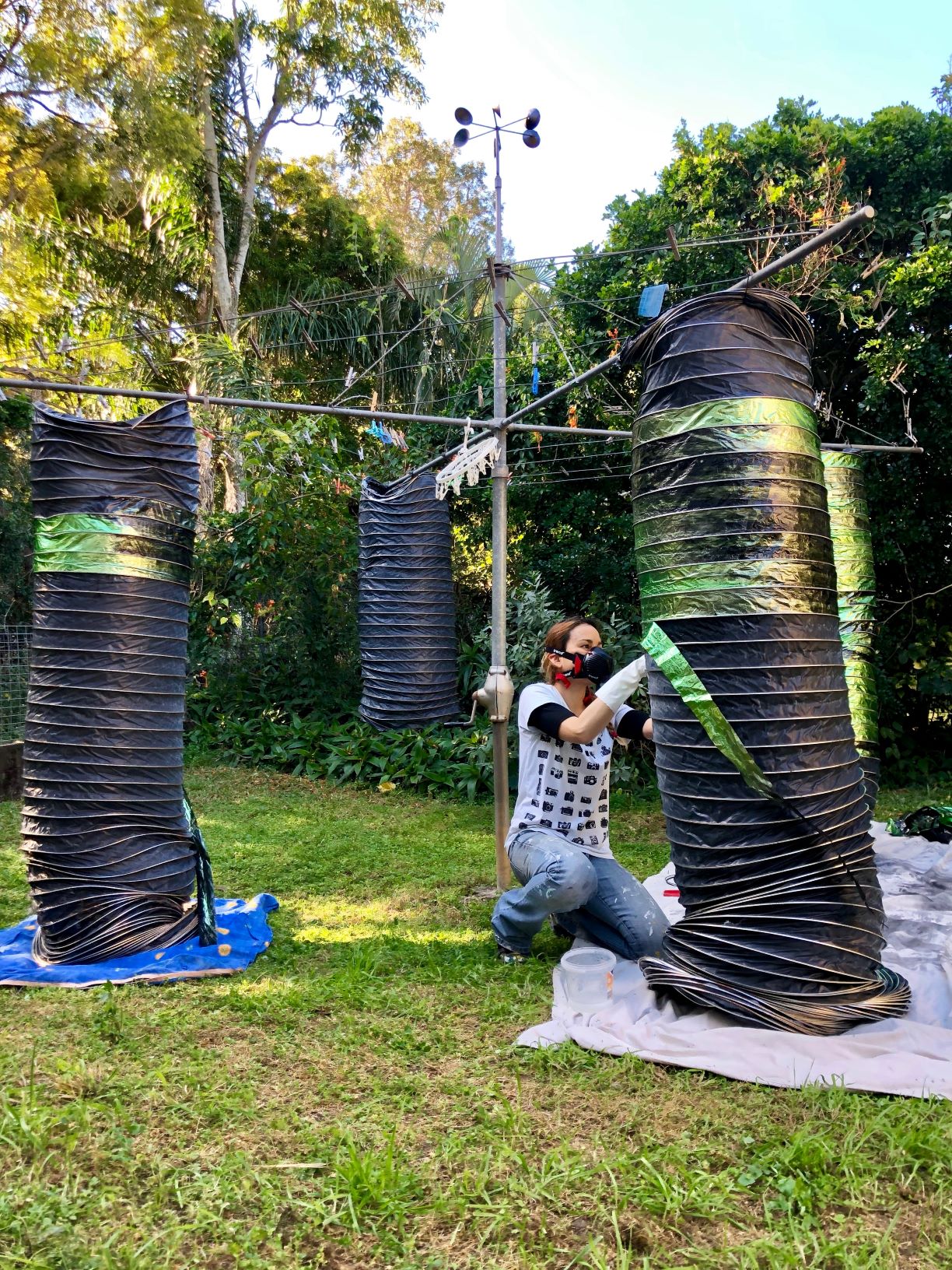
The eye-catching piece is constructed of artfully repurposed air-conditioning ducts perched atop Currumbin Rock.
The talented artist said she was thrilled to take out top honours with her first entry.
“I have been coming along to Swell every year since it started, and when I made the leap from photography and silversmithing into large-scale sculpture, I finally decided to enter,” she said.
“Winning is a huge honour and will allow me to invest in my practice and continue to upskill.”
Mari working on her winning sculpture in her backyard studio
Mari said the stunning creation represented several months of intense labour.
“There were lots of late nights and early mornings in my studio at home. It took a monumental effort and physical hardship to complete this piece.”
The piece impressed the judges with its bold use of upcycled materials to create something otherworldly.
“I think the work is immediately eye catching – the bright, shiny tones of green, with familiar yet alien-like features and textures,” Mari said.
“I had fun creating a backstory for the work. For years, these ducts provided artificial lungs for our buildings… what if after decades absorbing our CO2 and DNA, these structures morphed into hybrid creatures?
“It’s great to see audiences at Swell using their imagination and creating their own stories around the work.”
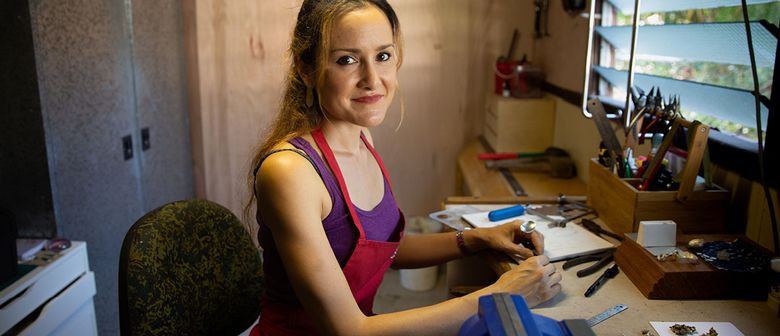
Mari Hirata in her studio
Mari’s practice includes photography, sculpture, installation, and silversmithing, and her works are housed in leading institutions, including the National Gallery of Australia and HOTA.
Since completing a Master of Visual Art at Queensland College of Art (QCA) in 2002, Mari has exhibited in venues throughout Australia and overseas.
“I was incredibly lucky to be among the first students in the fine art program at the Gold Coast,” she said.
“We had amazing lecturers and my studies exposed me to so many different mediums.
“While I was at the QCA I developed a network of fellow artists that I still rely on for advice and support.”
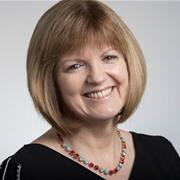
Professor Elisabeth Findlay
Queensland College of Art Director Professor Elisabeth Findlay said Swell provided invaluable exposure for local artists.
“This event supports emerging artists and gives them a platform,” she said.
“Many of our students and alumni enter the competition each year, and it’s a fantastic showcase for their work.”
Attendees were treated to speeches and mini lectures from an accomplished panel of experts that showcased the core values of Griffith’s MBA for the future: sustainable business practices, responsible leadership, and an Asia Pacific perspective.
“Recipients of the scholarships have the opportunity to study a Griffith MBA that explores all of the business disciplines you’d expect: accounting, reporting, economics, finance, people management, marketing, strategy and innovation and so on.
“But what’s so special about the Griffith MBA and what has undoubtedly contributed to it being consistently ranked among the top five MBAs in Australia over the last few years is that it’s built on a set of core values and approaches that are crucial to doing business in the 21st century,” he explained.
“It’s truly a values-led MBA and these are values that set our MBA graduates apart from others and gives them a distinct career advantage.”
Professor Nick Barter, Academic Director for Griffith Online, opened the lecture series, speaking on the increasing demand and the need to create value through social, financial and environmental approaches that lead to sustainable businesses and communities.
He was followed by Professor Ingrid Burkett, the Co-Director of the Yunus Centre, who spoke on the cultural shift towards business leading through social impact.
The final mini lecture saw Post Doctoral fellow Dr Elise Stephenson, recent winner of Griffith University’s 2020 Outstanding Young Alumnus Award, talk to the importance of nurturing an Asia Pacific relationship in order to succeed in a current and future economy.
Also in attendance were last year’s QBM Responsible Leadership Scholarship recipients, winner Johanna Marsh and runner up Mark Ryan, to share with prospective applicants their experience in the competition, as well as how their time at the Business School has opened their eyes so far.
Johanna Marsh.
Johanna particularly says the things she’s studied in the MBA have been invaluable to her in her current organisation and have already changed the way she thinks and works in the current economy.
“I’ve written a sustainability strategy for five years for my organisation based on things I’ve learnt at Griffith already,” she said. “Professor Nick Barter’s class is really challenging conceptually but once you draw parallels to your own organisation and your own job, it’s really interesting to apply.”
Afterwards, Mark said he learnt a lot about himself through the application process and encouraged everyone to apply.
“The Queensland Business Monthly Griffith Responsible Leadership MBA Scholarship competition was a fantastic experience to go through,” Mark said. “The application process made me take a step back and reflect upon what my personal story was, and how I could build upon that story in the future with everything the Griffith MBA has to offer.”
He continued: “There’s no way any of us applying for the competition last year could have predicted what has happened over the last 12 months. We’ve felt the effects of climate change first-hand, with horrific bushfires throughout summer in Australia. The COVID-19 pandemic has changed life as we knew it, and will continue to do so for the foreseeable future. If anything, these events and ongoing challenges reinforce the importance of understanding how interconnected we are in the world, particularly in relation to the environment that’s all around us.
“The Griffith MBA really allows students to dive deeply into these complex issues and share thoughts with other students and lecturers who bring a diverse set of perspectives to discussions. It’s a real eye-opener when people from vastly different backgrounds come together to share thoughts by looking at an issue through their lens.”
Griffith University alumnus James Rayner is at the helm of the Property Law team at one of the Gold Coast’s longest running law firms, and is preparing to lead its next era of success.
As MBA Lawyers celebrates its 50th anniversary in 2020, James’ future focus is on creating a market-leading property team through his position as Partner and Head of the Property Law Department.
With national and international property law experience, James is ideally placed to take on this challenge.
James joined MBA Lawyers in 2019 after an impressive career working with multiple top tier law firms on a range of billion-dollar commercial projects.
His projects include advising in relation to the development and retail leasing for Dubai’s $1.5B Meydan One Mall project; acting for APLNG in relation to its $23B Queensland gas project, including development of a gas processing facility at Curtis Island, Gladstone Area; and acting for Sunland on its luxury Brisbane development, Abian.
But property law hasn’t always been James’ passion.
“Truthfully, I didn’t really take to property law when I was at university, but practising property law is so much different,” he said.
“It is one of the more practical areas of law that you can work in.”
James graduated from Griffith University in 2004 with a double degree in Law (Honours) and Arts. He was admitted to the Supreme Court of Queensland in 2005.
“I loved my time at Griffith! The teaching staff brought a real enthusiasm to studying and teaching law,” he said.
“My advice to current law students is to enjoy the experience and enjoy the time.”
For the first time Griffith University researchers will deploy a ‘hi-tech whale phone’ in Gold Coast waters to better understand the tail of the whale migration season.
The team from the Griffith Centre for Coastal Management will place the $17,000 hydrophone five kilometres offshore north of the Seaway in 30 metres depth, and leave it there for the next two months.
Researchers from the Griffith Centre for Coastal Management deploying the hydrophone off the Gold Coast
“With this device we can listen to and record whales up to 10 kilometres away,” lead researcher Dr Olaf Meynecke said.
“The lower pitch whale songs the males make tend to travel much further than the other vocals they produce.”
“We are recording the whale vocals and songs in the Gold Coast Bay during the peak and tail end of the southern whale migration to discovery if there are still whales traversing our shores in November and how this compares to numbers in September and October.”
The hydrophone, deployed by the Griffith whale research group, will improve the monitoring of whales and add to boat-based surveys.
“This device will give us detailed information on the number of calls and their frequencies over time. We will also be able to distinguish whale songs from males and more social calls between mothers and calves.
“Listening to the sounds in the ocean off the Gold Coast will give us key information the amount and intensity of boat noise the whales are confronted with in the area and how this changes over time”.
Lead researcher Dr Olaf Meynecke from the Griffith Centre for Coastal Management
The hydrophone will also pick up the sounds of dolphins feeding near the seaway and could give some insight into their movement patterns as well.
“Over the two-month period the hydrophone will drain the energy from 64 batteries and generate hundreds of Gigabits of audio files that we’ll have to analyse, after we have retrieved the instrument from the bottom of the ocean later in the year,” Dr Meynecke said.
“But it will be definitely worth the effort. The data will provide new insights into the social activities of whales in the Gold Coast Bay and help us better understand how they use this area.”
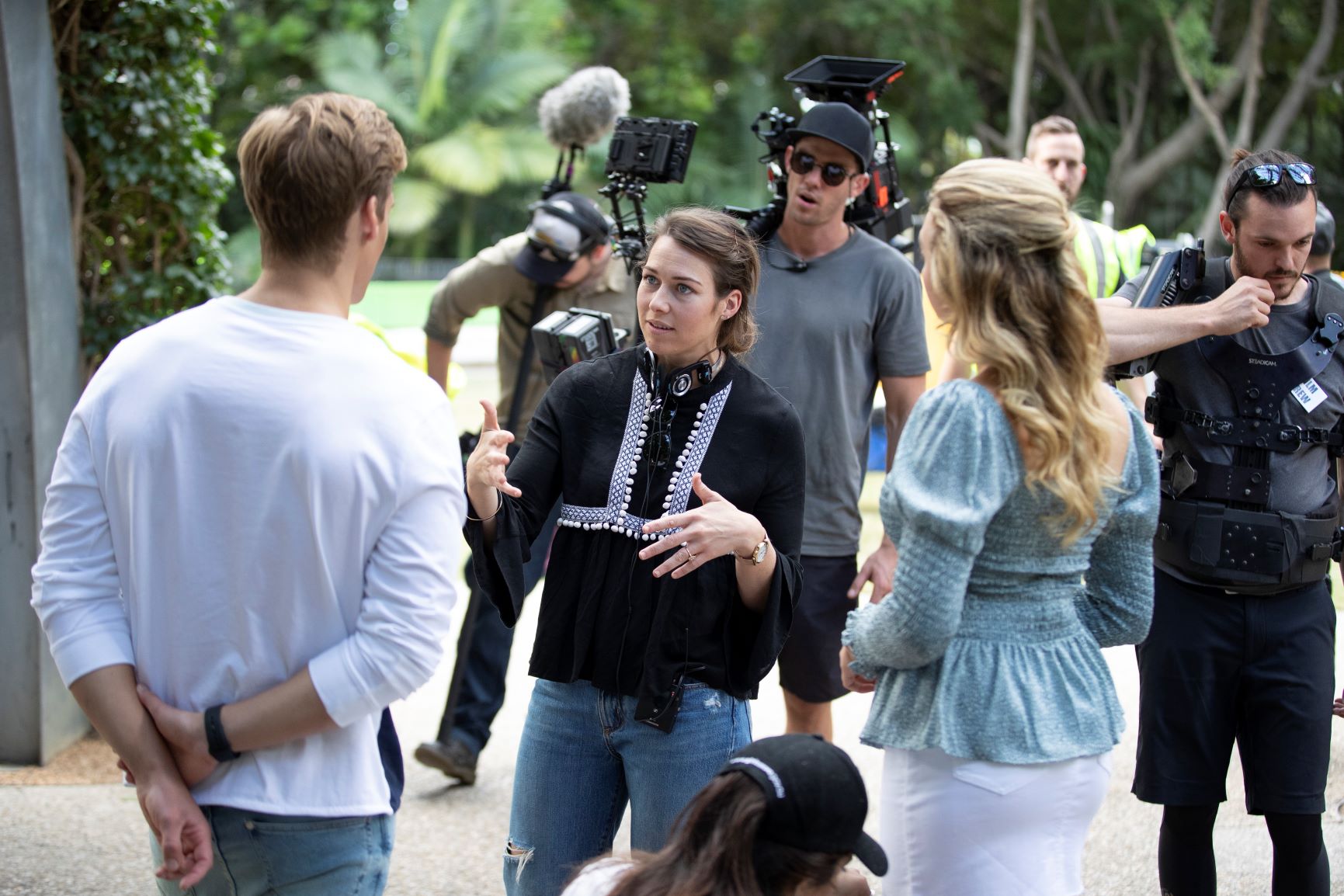
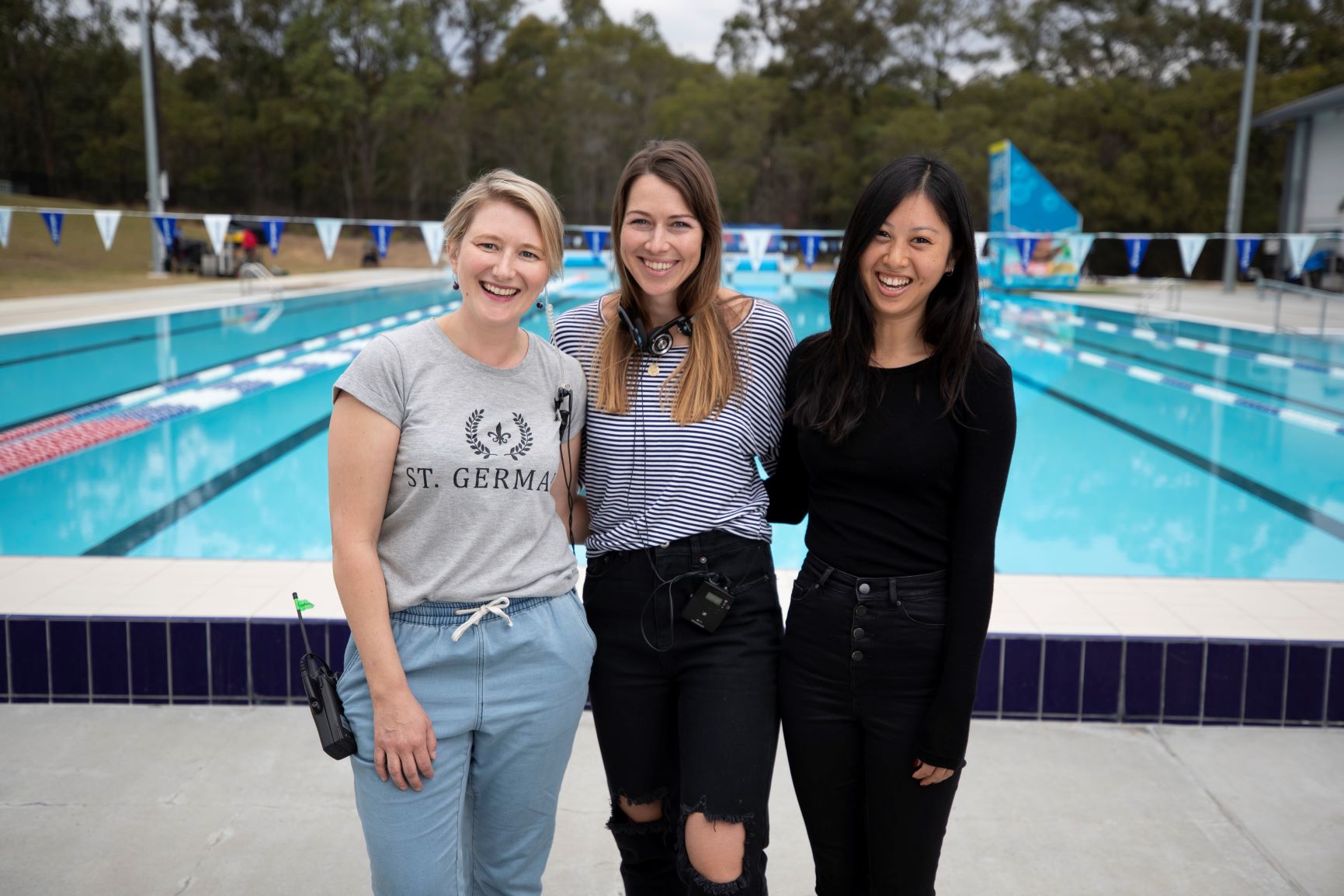
Hayley McFarlane directing on location at South Bank.
Swimming for Gold is the latest feature film from The Steve Jaggi Company (Rip Tide, Back of the Net), a local production company founded by fellow Griffith Film School (GFS) graduate Steve Jaggi.
The film was shot entirely on location in Brisbane and the Gold Coast, stars American actor Peyton List and features cameos from Australian swimming icons Susie O’Neill, Ariarne Titmus and Ellie Cole.
The opportunity of a lifetime
Hayley said she was keen for audiences to enjoy the film on the big screen, after a delayed release due to COVID-19.
Director Hayley McFarlane (centre) with her crew on location.
“This film was the opportunity of a lifetime and a lot of fun to bring to life,” she said.
“I’m really looking forward to audiences being able to enjoy this inspiring story of courage and friendship on the big screen.
“We were privileged to be able to make a film that speaks to what audiences of women and girls want right now.”
International success
After graduating from Griffith Film School, Hayley moved to London where she began working on Big Brother UK – taking on a directing role at just 23 years old.
Hayley was one of the genre’s few female directors and has continued to helm some of the UK’s and Australia’s most popular reality shows, from Love Island to I’m a Celebrity Get Me Out of Here.
“Big Brother was my first TV directing gig and it was a huge learning curve for me,” she said.
“I have worked on many reality shows where I have been the only female control room director, particularly in Australia.
“It’s a high-pressure environment which I love. You’ve got producers and execs in your ear, you’re managing everyone in the room, you’re handling vision, mixing and calling shots – it’s an adrenaline rush.
“Some people turn up their noses at reality TV, but it’s gone from strength to strength, and as a director it allows you to work with great crews and travel the world.”
Building a career in the screen industry
Hayley credits her time at Griffith Film School with providing a solid foundation for a career in the screen industry.
“I did a lot of acting when I was young, and I knew I wanted to be in the entertainment industry, so it was a natural progression to go behind the camera,” she said.
“I loved my time at Griffith – getting to constantly create stuff was exciting and the collaboration and teamwork was invaluable.
“I started shooting music videos and shorts at uni and my grad film ended up on the international film festival circuit – I left with a really strong portfolio of work behind me.”
Film alumni take their place on the world stage
Professor Herman Van Eyken
Head of Griffith Film School Professor Herman Van Eyken said Hayley was one of many GFS alumni enjoying international success in the film industry.
“It is wonderful to see our graduates stepping up and taking on projects for the world’s biggest studios,” he said.
“The fact that this movie was directed and produced by Griffith Film School alumni right here in Queensland speaks to the talent we are helping to nurture and our reputation as a global screen hub.”
Swimming for Gold is supported by Screen Queensland and will screen nationwide from 17 September. The film has also been acquired by Universal Pictures for international release.
Entries are once again open for students to apply for Griffith Business School’s 2020 Co-curricular Awards, which recognise outstanding co-curricular achievements and provide students with cash prizes and accolades.
The available awards this year are the Leadership Award, the Sustainability Award, the Community Service Award and the BusinessPLUS Award.
When alumnus Madeleine Jackson won Griffith Business School’s Sustainability Award in 2019, she was filled with a sense of pride and validation for all her work. The School’s Sustainability Award recognises an undergraduate student who demonstrates an outstanding commitment to sustainability, including social, environmental or business sustainability..
“Working hard and then being rewarded, I felt like I was being seen,” Madeleine says. “It’s a wonderful feeling.
“Plus with our current climate, having an award that encourages people to be more environmentally and sustainably conscious is a wonderful motivator. I haven’t come across another award like this for students to be practicing sustainability and I think this award could entice people to do so.”
In addition to the cash prize of $500, Madeleine, who studied a Bachelor of Business and Bachelor of International Tourism and Hotel Management, also relished the opportunity to put the award on her list of achievements so future employers could see what’s really important to her. “It was great knowing it would go on my resume, to really showcase the unseen work, all the ‘nitty gritty’, the effort, time and energy that was put into all the activities… It really encouraged me to keep going. I think the Awards are a great motivator for students.”
She encourages all students to apply for these awards, as they can give you a big confidence boost, as well as add to your employability.
“It can be easy to sit back and be humble about your achievements, or you can be your own hype person and remind yourself that you are allowed to be acknowledged and celebrated for your work,” she says. “I think sometimes there’s a bit of stigma around cheering for yourself but in five years time, your most consistent cheerleader still hanging around, is you. So go for it!”