Griffith University has paid tribute to international track sprinter Stephanie (Steph) Morton OAM after she announced her immediate retirement from the sport following a spectacular 10 year career across both able-bodied and para-cycling disciplines.
Griffith Sports College Manager Naomi McCarthy OAM said Steph had performed at the highest level for a long time and the University had proudly supported her efforts by tailoring her study commitments where possible to ensure she could attend all meets and other events.
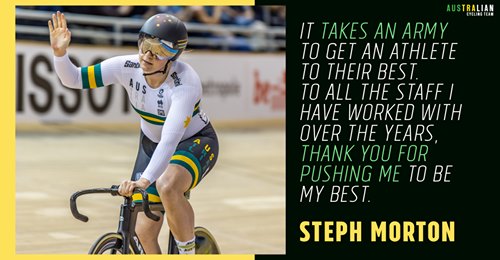
Steph Morton thanks her team and all those who helped her compete at the highest level in an image she released with her retirement announcement on 19 November 2020
“With an eye on her future, Morton studied a degree in Criminology and criminal justice online while she competed at a national and international level from her training base in Adelaide.
“She has worked hard during what has been a stellar career and was well advanced in her return from a knee injury when COVID started to wreak havoc with everyone’s Olympic preparations.
“It is a shame that she and so many amazing athletes were unable to compete in Tokyo this year but we certainly wish her well in her new career.”
Morton’s career highlights include:
4x World Champion (Elite — 2019; Para — 2011, 2012 x 2)
4x Commonwealth Games gold (2018 — 3; 2014 – 1)
2x Olympian (Rio 2016; Named to Tokyo 2020 team prior to retirement)
13x National Champion (Elite)
2012 Paralympic Games gold medalist (Tandem Pilot for Felicity Johnson)
Current Australian record holder (with McCulloch) Team Sprint (32.255 seconds)
Morton said her decision to retire was not taken lightly.
“No one could have prepared for what 2020 delivered, hence why this decision has been eight months in the making as I needed to really consider what was best for me moving forward, and it has probably been the toughest thing I’ve ever had to do,” she said.
“But even before the COVID-19 pandemic hit and it moved theGames’date, I had always said that the Tokyo Gameswasn’tgoing to define me, win or lose.
“In an ideal world, it would have been nice to go out one more time wearing green gold, but we aren’t in an ideal world anymore.”
Last year Morton spoke to Griffith News about her future plans and how she managed to combine her studies with a packed training and competition schedule.
“I study online so its so manageable you can start a lecture, pause it and come back to it two days later if you need to,” she said.
“Looking around at who offered criminology, Griffith was by far just the most impressive program.
“I just do one subject at a time. I think its important to have something away from sport, something that you’re interested in.
“Criminology has always been a huge interest of mine so to be able to switch off away from cycling, away from the intense pressure and actually just learn and do something that’s going to help me afterwards (is great), because unfortunately we can’t live this life forever and you do have to think about life after sport.”
In 2019, Morton was presented with Griffith University’s Most Outstanding Sporting Achievement award, which she won jointly with freestyle swimmer Emma McKeon.
An experimental Alzheimer’s disease treatment is proving effective at treating some of the most persistent, life-threatening antibiotic-resistant bacteria.
Researchers from Griffith University, The University of Queensland and The University of Melbourne have discovered that the drug called PBT2 is effective at disrupting and killing a class of bacteria — known as Gram-negative bacteria — that cause infections such as pneumonia, bloodstream infections and meningitis.
Griffith University’s Professor Mark von Itzstein AO from the Institute for Glycomics said the new treatment was effective, and offered a range of other benefits.
“Based on its use as an experimental Alzheimer’s treatment, there’s been a significant amount of solid science done on this drug already,” Professor von Itzstein said.
“We know, for example, that clinical studies of PBT2 show that it is safe for use in humans.
UQ’s Professor Mark Walker said the metal transport drug may offer a last line of defence against some of the world’s most difficult to treat superbugs.
“The emergence of antibiotic-resistant superbugs is an urgent threat to human health, undermining the capacity to treat patients with serious infection,” Professor Walker said.
“Alternative strategies to treat such multi-drug resistant bacteria are urgently needed.
“Led by UQ’s Dr David De Oliveira, our team hypothesised that, by using this experimental Alzheimer’s treatment to disrupt the metals inside these bacteria, we would also disrupt their mechanisms of antibiotic resistance.
“This was shown to be the case, with the Alzheimer’s drug — combined with the antibiotic polymyxin — successfully tackling antibiotic-resistant superbugs like Klebsiella pneumoniae, Acinetobacter baumannii, Pseudomonas aeruginosa and Escherichia coli.”
“This could resharpen, so to speak, some of the weapons we thought we’d lost in our fight against antibiotic-resistant bacteria,” Professor von Itzstein said.
The University of Melbourne’s Associate Professor Christopher McDevitt, from the Peter Doherty Institute for Infection and Immunity (Doherty Institute), said the drug had already proved effective beyond the petri dish.
“Animal studies show that the combination of polymyxin and PBT2 kills polymyxin-resistant bacteria, completely clearing any infection,” Associate Professor McDevitt said.
“Hopefully in the not-too-distant future people will be able to access this type of treatment in the clinic.
“New techniques are critical in addressing this building threat to human health, and this treatment is an additional weapon in our arsenal to fight the accelerating threat of antibiotic resistance.
“If these new solutions aren’t developed, it’s estimated that by 2050, antimicrobial-resistant bacteria will account for more than 10 million deaths per year.
“This new treatment could help turn the tide on antibiotic resistance.”
The differences in the muscle typology of world-class cyclists competing in different disciplines could help determine discipline selection and talent identification of young cyclists a new study has found.
Researchers from Griffith University’s School of Allied Health Sciences and Ghent University, Belgium analysed the ratio of fast and slow-twitch muscle fibres of 80 cyclists (including BMX, track, cyclo-crossers, cross-country and mountain bikers) from Australia, UK, the Netherlands, New Zealand and Germany.
Using a non-invasive technique, they measured the carsonine (a molecule linked to improved cell performance), levels in the athletes’ calves.
“The invasive nature of muscle biopsies, typically required to evaluate muscle typology, does not allow us to study the world’s best athletes given this procedure is disruptive to their training and met with resistance,’’ said lead researcher Dr Phil Bellinger.
“We have been working with our colleagues at Ghent University to apply the non-invasive technique to improve talent identification and training individualisation with elite athletes.”
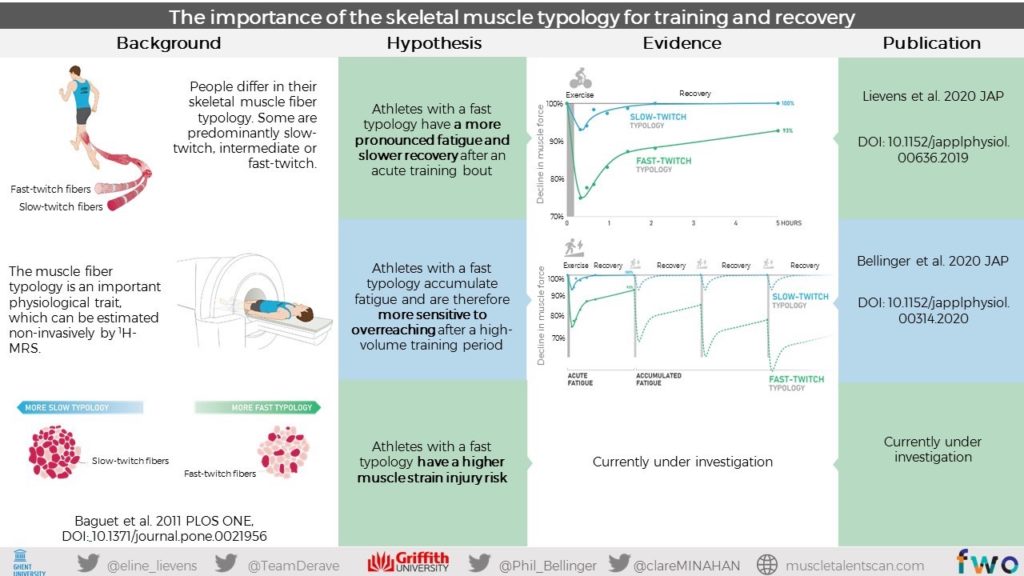
The researchers found BMX and sprint cyclists possess more fast-twitch muscles fibres while endurance cyclists and mountain bikers have more slow-twitch muscle fibres.
“A higher proportion of fast fibres is essential in sprint events such as BMX racing where a fast start is crucial, but also for road sprinters who produce a high intensity burst of speed at the end of a race.”
Physiological factors involved in successful endurance cycling include a high maximal aerobic power (VO2 max), high lactate threshold and a high proportion of slow-twitch muscle fibres. Slow-twitch fibres are characterised by a high resistance to fatigue, enabling sustained high-power outputs for longer periods.
“While many track and field studies have shown that elite endurance athletes possess slow-twitch muscle fibres and elite sprint athletes with predominantly fast-twitch, Dr Belliger said it was the first study investigating the muscle typology in a large group of elite cyclists.
“While we found both slow and fast twitch muscle types in all the cyclists, when grouping them according to their main discipline, clear patterns emerged with both BMX and track cyclists possessing a faster typology when compared to cyclo-cross, road and mountain bike cyclists.
“BMX racing can be characterised as an all-out sprint discipline with race times not exceeding 45s at the elite level. Track sprint cyclists also need fast fibres to produce a high pedalling frequency, but we found track cyclists excelling in track endurance events had an intermediate muscle typology as this event stresses both aerobic and anaerobic metabolism.”
The study found the individual pursuit, single-stage, cyclo-cross, mountain bike and multi-stage cyclists have a slow typology as these are mostly aerobically-based disciplines.
“As the muscle typology correlates well with the ideal discipline and event in both male and female cyclists of all professional levels, it may be a relevant factor for talent identification and talent transfer,” Dr Bellinger said.
Griffith University Aviation Student Jefin Joseph hopes to combine his love for aviation with psychology after he was recently awarded a scholarship.
Jefin has been awarded the Golden Key Undergraduate Achievement Award — an award which recognises members for excellence in their undergraduate degree.
The third-year aviation student will use the award to pursue further studies in Psychology to help people of all backgrounds, particularly young adults, those in rural Australia, and those in the aviation industry, with their mental health.
“I want to do some research into mental health and wellbeing of flight crew,” he said.
Jefin still plans to pursue aviation, a passion he has had his entire life once he has completed his studies and has a further ability to help people mentally.
“I’m going to put this scholarship to good use to study psychology and further give back to the community.”
“There is a big mental health stigma in aviation and I want to help change that.”
When he began his degree, he took motivation from the Mentoring Aviators Through Educational Support (MATES) program run by the aviation school; a program through which he has begun mentoring other students this year.
“The Aviation MATES program helped a lot,” he said. “The staff as well are always happy to connect with you and talk about opportunities that arise in the industry.”
“Being a mentor I have learned to talk to people and help them out. A lot of what I’ve done this year has been trying to help people get through struggles they are having. I think that’s something that’s influenced my decision to do psychology.”
Jefin said he would not have been able to achieve as much without the encouragement and stellar teaching of Griffith Aviation staff.
“Griffith Aviation has a really strong program. Especially with supporting their students, they have really motivated me to constantly explore all the opportunities given and inspire other people to do so by sharing your passion and your experience.”
The Golden Key International Honours Society has more than 2 million members worldwide, in over 180 countries and helps students like Jefin to further their studies. For more information on scholarships offered to Griffith students and how to apply, visit the website.
The musicians will play a program of works by Australian composer and pianist Elena Kats-Chernin.
Inspiring mentors
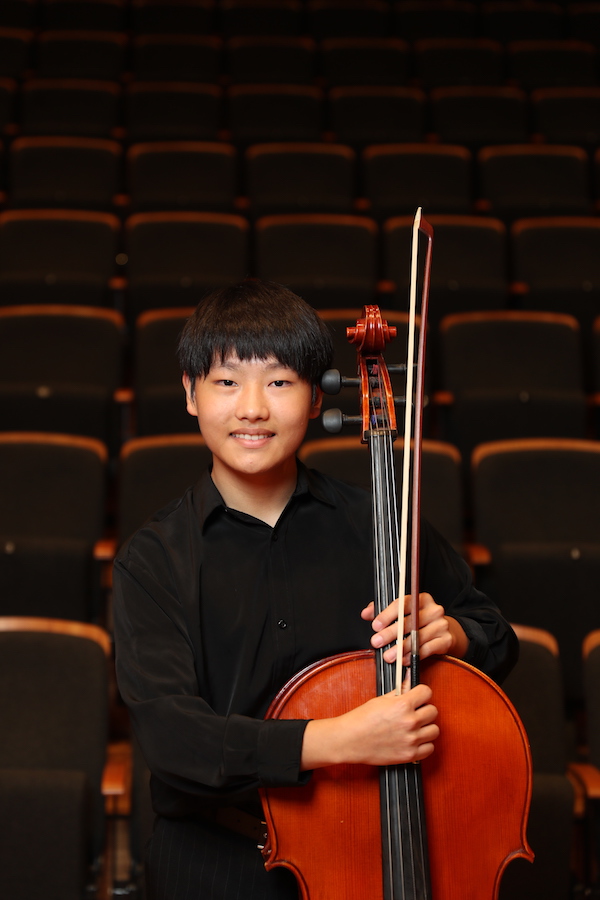
Cello student Ho-Se Kim
First year cello student Ho-Se Kim said the collaboration had helped hone his musical skills.
“It’s definitely made me a better musician – watching how the more experienced players put their own stamp on each of the pieces has taught me a lot and made me a bit more daring,” he said.
Ho-Se said he valued the industry connections and exposure to a wider audience provided by Griffith’s partnership with Bleach* Festival.
“This is a way for us to connect with professional musicians,” he said.
“The fact that we are playing as part of a big festival allows us to showcase our skills for audiences who might not necessarily come to a concert hall to hear classical music.”
Creating a buzz
Double bass student Amelia Cherry
Second-year double bass student Amelia Cherry said she was relishing the chance to perform live again with an easing of COVID restrictions.
“Performing in front of a live audience again is amazing,” she said.
“We spent so many months locked away in our practice rooms, and I’ve really missed the buzz you get from playing in front of a crowd.
“To be working with musicians of this calibre makes it even more exciting – the energy and experience they bring is rubbing off on all of us.
“It’s inspiring to think that in a couple of years, that could be me.”
A passion project
Griffith graduate Julia Hill. Photo: Katelyn Gillard Photography
Recent Bachelor of Music graduate Julia Hill already performs with the Southern Cross Soloists as part of their Next Gen program, which provides a bridge between tertiary study and a professional music career.
The talented violinist was to have completed an Honours year in Japan as part of a New Colombo Plan scholarship, but the pandemic forced a change of plan.
“I had to postpone my studies overseas until 2022, but I’m thrilled to be playing with the Southern Cross Soloists and the fact we’re able to perform with students from the Con makes this performance extra special,” she said.
“That’s what I loved most about the Con – it’s a really close-knit family of people who are passionate about music.
“The students are given amazing external performance opportunities, and I think it’s vital for them to play with professional musicians and get outside the concert hall.”
Shaping the next generation
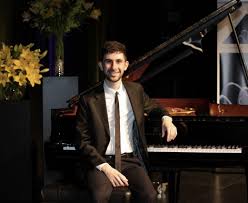
Griffith piano graduate Alex Raineri
Fellow Southern Cross Soloists member and Queensland Conservatorium piano alumnus Alex Raineri said the collaboration was a unique opportunity.
“It’s nice to work with these wonderful young players in a professional setting,” he added.
“We’re playing together as equals, which is a really enriching experience for all of us.
“I definitely got to work on really interesting performance projects as a student at the Con, and it all shapes who you are as a musician.”
Griffith partnership provides industry connections
The concert is one of a host of performance opportunities available to students as part of Griffith University’s three-year partnership deal with Bleach* Festival, considered the Gold Coast’s premiere arts and culture event.
Associate Professor Peter Morris
Queensland Conservatorium Deputy Director (Engagement), Associate Professor Peter Morris, said the partnership allowed students to perform with some of the best musicians in the country.
“Many of the Southern Cross Soloists are actually Queensland Conservatorium alumni, so it’s inspiring for our current students to see a direct pathway from the Conservatorium to professional work in the industry,” he said.
Bleach* Festival has attracted more than 500,000 people since 2012. The program features work across all genres including dance, theatre, contemporary music, opera and installation.
Sounds Like Spring, featuring students from the Queensland Conservatorium and the Southern Cross Soloists, will take place at the Gold Coast Botanic Gardens on Sunday 22 November.
Griffith University students have secured elusive work experience at Bleach* Festival on the Gold Coast in a year that has seen most major events cancelled or postponed.
Several students have been named Bleach* Ambassadors for the 11-day event, which is a fantastic result given a real lack of opportunity to work on large-scale festivals that span multiple sites and feature hundreds of performances.
Tourism and event management student Phebe Mills is among those appointed to the Bleach* Ambassador role.
She said she was looking forward to gaining invaluable experience across the more than 200 events taking place as part of the festival, being held this month at Chevron Island, Burleigh Heads and the Gold Coast Botanic Gardens.
“Being able to secure an opportunity like this is an awesome stepping stone,” Phebe said.
“I am also looking forward to being a part of history — how many events like this get to actually operate through a global pandemic?”
Bleach* Ambassadors will play an important customer service role. They will welcome and usher patrons, assist with the registration process and answering programming questions, keep festival-goers sun safe and maintain sanitisation stations.
Griffith student Kate Fea is one of the Bleach* Ambassadors.
She said she feels fortunate to be able to work in her desired field at home on the coast.
“I am so excited to help welcome back the Gold Coast’s bustling culture and arts scene after a pretty dreary 2020,” Kate said.
“I am really looking forward to gaining insights into how local events and festivals are organised and run, particularly now in the era of COVID-19.”
The students were appointed to their roles as a result of a partnership between Griffith and Bleach* Festival.
Associate Director, Partnerships and Sponsorships at Griffith, Nicole Hunter, said partnerships with industry and events like Bleach* Festival provided valuable opportunities for students.
“It’s fantastic to see Griffith students across multiple disciplines experiencing Bleach* Festival, especially in 2020 where that will have been a fairly unique experience,” Nicole said.
Bleach* Festival is on now until 22 November.
Griffith University will establish a Centre of Excellence (CoE) in spatial biology in collaboration with Nanostring Technologies, a publicly held provider of life science tools for translational research and molecular diagnostic products.
“The Griffith University Centre of Excellence in Spatial Biology will transform our capability to undertake innovative and state-of-the-art immunophenotyping across a number of diseases,” he said.
“The Griffith University Centre of Excellence in Spatial Biology will transform our capability to undertake innovative and state-of-the-art immunophenotyping across a number of diseases”
“With a focus on mucosal and tissue immunology, we will be able to provide innovative research in oncology, atopic and chronic inflammatory diseases and in data science and bioinformatics.”
“For instance, this offers the potential for great advances in treatment of people with cancer, where tailoring treatment requires an understanding of the tumour biology, that is, the cells driving cancer growth.”
Nanostring recently launched the GeoMxâ„¢ Digital Spatial Profiler (DSP). Dr West said spatial biology was the next frontier.
“Spatial biology allows for the comprehensive assessment and characterisation of immune cells and molecules within their morphological context.”
“Our ability to understand which patients will respond to different treatments has been limited by our ability to characterise the cells and molecules within the tissue environment.
“GeoMx Spatial Profiling allows us to assess the cells and molecules in the tumour for a targeted understanding of the biology of the disease.
“Recently this has led to new trials to determine whether key immune cells are predictive of response to immunotherapy in patients with melanoma.
“This cutting-edge technology allows measuring and mapping of the spatial distribution of proteins and RNA in a tissue sample, where existing methods, which rely on the extraction of RNA or isolation of cells, have resulted in the loss of spatial information in diseased tissue.
“It allows us to gain insight into the causes of disease, progression, treatment and resolution.”
Deputy Vice Chancellor Research, Professor Mario Pinto said Griffith researchers were highly regarded as being at the forefront of discovery.
“As a research-intensive institution, Griffith is investigating and opening doors to discovery and innovations which can help improve people’s lives.
“Having access to cutting edge technology ensures a front row seat to the future.
“Having access to cutting edge technology ensures a front row seat to the future”
“Since 2018, the University, through its leading health and medical research institute, the Menzies Health Institute Queensland, has partnered with NanoString to provide researchers and clinicians, along with their commercial partners, the capability and expertise to undertake state-of-the-art genomics, immunology and data science.
“The CoE is shaping up to be the core facility of choice for this technology in the wider Asian region so there is a lot of interest in our emerging capabilities.
“Given Australia and our local environment is now almost COVID free, we are able to undertake all types of basic and clinical research.”
Dr West said the GeoMxâ„¢ Digital Spatial Profiler (DSP) enabled high throughput multiplex spatial profiling of both RNA and protein targets in a variety of sample types, including FFPE tissue sections for researcher both in translational science and clinical settings.
Since 2019, there have been more than 28 peer-reviewed research articles using GeoMx DSP published in high impact journals including Nature, Cell and Nature Medicine.
Access to this technology is considered essential for researchers in the field of immune-oncology, neuroscience and developmental biology where spatial information is key to the next breakthrough.
“This partnership means we will be able to bring the latest NanoString research and development opportunities to research in the Australian community, offering efficient, comprehensive and tailored services to generate high impact research data,” Dr West said.
The Centre of Excellence at Griffith University will serve as a portal for researchers across Asia Pacific to undertake research and development activities.
It will also offer a stage for researchers in the spatial biology community to develop multi-centre collaborations to drive the next transformation in translational science.
Business at Griffith University’sClinical Trials Unit (CTU) has continued and actually thrived in the pandemic, with the Gold Coast site now the first globally to recruit patients for a multi-national rheumatology trial, and screening the first patient in Australia for another multi-national trial.
The Gold Coast and the state of Queensland have benefited from the state’s current low COVID-risk status, accelerating capability that had been rapidly building, pre-pandemic.
A 2019 study, commissioned by the Gold Coast Health and Knowledge Precinct, Regional Development Australia (RDA) Gold Coast, City of Gold Coast and the Queensland Government Department of State Development, Tourism and Innovation, found the Gold Coast was Australia’s largest regional clinical trial location, with 126 trials contributing almost $12 million per annum to the city’s economy, and significant growth anticipated over the coming decade.
Professor Evelin Tiralongo
Director of the Griffith University Clinical Trial Unit, Professor Evelin Tiralongo, said growth could be even stronger than earlier projections of the local sector being worth $33 million by 2029, with further demand likely to be caused by the pandemic.
“Providing high-quality clinical trial services to global and national sponsors, as well as supporting researcher-led trials, is core business for us, and being able to operate in a COVID-safe way, in an environment with so far low levels of coronavirus in the community in Australia, Queensland, and the Gold Coast in particular, is an advantage,” Professor Tiralongo said.
“After initial disruptions to active trials, we worked very quickly on setting up a COVID-19 safe plan to enable us to continue providing essential services for existing clinical trials and subsequently take on new business, with great support from the University, our External Advisory Committee and the clinicians we work with; whether in private practice or at the Gold Coast University Hospital.
“As a University Core Research Facility, it is important to continue to support Griffith researcher-led trials and take on more pharma trials so that we can enhance clinical research and knowledge and offer possible new therapy options to the local community.”
With intense focus on multiple COVID-19 trials worldwide, researchers, including Griffith’s Professor Michael Good AO, Principal Research Leader at the Institute for Glycomics and a member of the Australian Government’s National COVID-19 Health and Research Advisory Committee, continue to press the need for vital research and trials into other important conditions to continue, or risk significant health consequences.
One such important trial for which Griffith’s Clinical Trial Unit is currently recruiting participants, alongside other research sites in Canada, USA, Europe, Turkey and Australia, is to evaluate the safety, tolerability and immunogenicity of a combined Meningococcal vaccine in young adults.
Dr Claire Williams, the Clinical Trial Unit’s Business and Operations Manager, has welcomed the opportunity to trial new combination Meningococcal vaccine.
“We’re really pleased to be taking part in this study because, despite everyone’s attention being currently focussed on COVID-19, it’s still vitally important that we continue to develop and improve vaccines and treatments for other chronic and serious diseases,” Dr Williams said.
“Currently, there are various vaccines available in Australia against Meningococcal disease. This study will evaluate the efficacy and safety of a MenABCWY combination vaccine.”
Meningococcal disease is a bacterial infection that can cause serious illness including meningitis and septicaemia.
“Through the study, volunteers receive vaccinations against meningococcal disease which may help to protect them against infection. Although adults are not at high risk of invasive meningococcal disease they can unknowingly carry it and spread it to those more vulnerable such as babies, young children, and teenagers,” Clinical Research Nurse and Lead Coordinator of the trial at Griffith’s Clinical Trial Unit, Gabby Menolotto said.
Healthy volunteers aged 18-25 are being sought amongst those people who missed out on vaccine catch-up programs or attended high school outside of Australia and may not have received meningococcal vaccines in the past, and therefore may be eligible to participate in the current trial.
Trials are currently being conducted at Griffith’s CTU in areas such as rheumatology, neurology, endocrinology, renal disease, gastrointestinal disorders and infectious diseases, with the unit looking to expand into dermatology and cardiology.
Up until the end of August there was no overall change in Queensland’s suspected suicide rate since the declaration of a public health emergency declaration (PHED) on January 29. However, the COVID-19 pandemic has contributed to some suspected suicides.
In a study published this week in The Lancet Psychiatry, Griffith University researchers from the Australian Institute for Suicide Research and Prevention analysed data from the interim Queensland Suicide Register (iQSR). They found the unadjusted suicide rates were 14.85 and 14.07 per 100,000 people before (January 2015 to January 2020) and after the PHED (February to August 2020).
Lead researcher Dr Stuart Leske said there was evidence of increased suicides during previous infectious disease outbreaks, including the 1918-1920 influenza pandemic in the US and the severe acute respiratory syndrome (SARS) in Hong Kong in 2003. Thus, the COVID-19 pandemic may increase suicides by impacting vulnerable groups and the economy.
“Specifically, this might include increased anxiety, depression, alcohol use, social isolation, domestic violence, economic hardship and reduced opportunities for social interaction,’’ he said.
“While we did not expect the State Government’s declaration of a PHED in Queensland on January 29 to immediately increase suicide rate, we did expect it to increase anxiety, depression and stress that could contribute to increased suspected suicides in subsequent months.
“To our knowledge, this is the first study reported to consider seasonality and pre-COVID trends in suicide mortality.”
Dr Leske said while the overall suicide rate was unaffected, COVID-19 had contributed to at least 36 suspected suicides in Queensland from February to August.
“However, this is not to say the impact of COVID-19 was the sole precipitant of the suspected suicide,’’ he said.
“We found that an impact on mood, stress, coping, and anxiety was most frequent, indicating that the increased focus on mental health supports is warranted, especially for those with pre-existing mental health conditions or those who remain unemployed as the pandemic persists.
“As psychological and psychosocial factors preceded most COVID-19-related suicides, it is, therefore, possible to expect an increased impact of COVID-19 on suicides in countries and regions with more COVID-19 infections and deaths.”
The channel — Dr Matt and Dr Mike — takes complex topics about human biology and delivers them in short, easy to digest videos.
Dr Matt Barton and Dr Mike Todorovic
Dr Todorovic, a senior lecturer in Griffith’s School of Nursing and Midwifery, said their views had tripled since the start of COVID-19, with a jaw-dropping 47,000 views of their videos every 48 hours.
From April to November, subscriber numbers also doubled from 50,000 to 100,000.
“It’s amazing,” Dr Todorovic said.
“Students all around the world will tell us what concepts are most difficult for them and we then endeavour to create simple and engaging, yet detailed videos on those topics.”
The health expert said he believed the channel’s success was due to its simplicity.
“We love the quote from Albert Einstein, ‘Everything should be made as simple as possible, but no simpler’,” he said.
“The videos are very rough and ready, made in front of a whiteboard with no editing, and no fancy animations or sound effects.
“It shows the viewer that if we can do it, so can they.”
The duo came up with the idea for Dr Matt and Dr Mike after they realised it was a struggle for students to stay focused during traditional two-hour lectures.
“We would review our Lecture Capture viewing statistics and saw that a significant number of students weren’t watching the last 30-60 minutes of the lecture,” Dr Todorovic said.
“This was worrying as the information covered in the last 60 minutes is just as important as the information in the first.”
So instead, Dr Barton and Dr Todorovic broke their lectures up into distinct learning outcomes and covered them in short “concept captured” videos, which were uploaded to YouTube.
“Our students loved them, and soon, so did students from all around the world,” Dr Todorovic said.
“We have viewers of all ages, covering every continent of the planet.”
Recently, Dr Barton and Dr Todorovic recorded a number of short videos for fellow educational channel Simple Nursing, which has more than 340,000 subscribers on its YouTube Channel.
Also recording their own podcast — Dr Matt and Dr Mike’s Medical Podcast — and with weekly appearances on ABC radio with a segment How the body works, the pair are clearly passionate about what they do.
“The human body is both weird and wonderful — there are endless structures and processes to talk about!”







 Nanostring recently launched the GeoMxâ„¢ Digital Spatial Profiler (DSP). Dr West said spatial biology was the next frontier.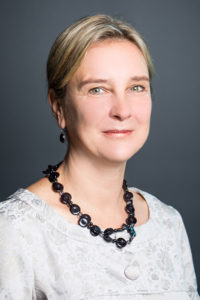
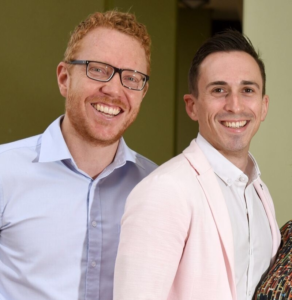
 Recently, Dr Barton and Dr Todorovic recorded a number of short videos for fellow educational channel Simple Nursing, which has more than 340,000 subscribers on its YouTube Channel.