
Griffith University researchers may have unlocked the secret to treating sepsis, with a Phase II clinical trial in China successfully concluding with promising results.
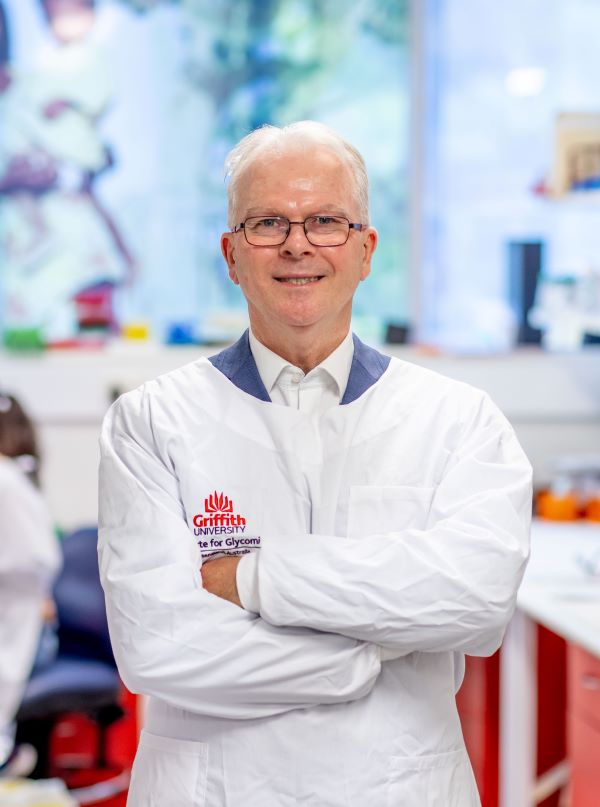
The sepsis drug candidate, a carbohydrate-based drug called STC3141, was co-developed by Distinguished Professor Mark von Itzstein AO and his team from Griffith’s Institute for Biomedicine and Glycomics, and Professor Christopher Parish and his team at The Australian National University.
“The trial met the key endpoints to indicate the drug candidate was successful in reducing sepsis in humans,” Professor von Itzstein said.
STC3141 was administered as an infusion via a cannula and counteracted a significant biological molecule release phenomenon which occurred in the body during the course of sepsis.
The small-molecule experimental drug was a carbohydrate-based molecule and could treat sepsis by reversing organ damage.
Sepsis was known to affect millions of hospitalised patients across the world each year and occurred when the body’s immune response to an infection attacked and injured its own tissues and organs.
“When sepsis is not recognised early and managed promptly, it can lead to septic shock, multiple organ failure and death,” Distinguished Professor von Itzstein said.
The trial, conducted by Grand Pharmaceutical Group Limited (Grand Pharma), involved 180 patients with sepsis, one of the leading causes of death and long-term disability worldwide.
Currently, there is no specific anti-sepsis therapy available, and sepsis is considered a clinical unmet need.
Professor von Itzstein said Grand Pharma would now look to progress to a Phase III trial to continue testing the efficacy of the novel treatment.
“It’s hoped we could see the treatment reach the market in a handful years, potentially saving millions of lives,” he said.
Executive Director of the Institute for Biomedicine and Glycomics, Professor Paul Clarke, said: “I am thrilled to see the results of the trial which ultimately aims to save lives.”
“The Institute and its researchers collectively work on translational research to deliver real and immediate impacts both in Australia, and globally to transform lives.”

Featured
Mark von Itzstein
Author